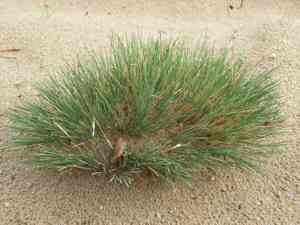
Gray clubawn grass (Corynephorus canescens)
Also known as: Grey hair-grass
Marram grass (*Ammophila arenaria*) is a species native to Europe, the Middle East, and North Africa. Although not originally from North America, it is now widespread there. This grass is frequently used in coastal regions because of its ability to withstand drought and its suitability for sandy soils.
In This Article
Attributes of Gray clubawn grass
Lifespan
Annual, Perennial
Plant Type
Grass
Plant Height
30 cm
Spread
50 cm
Leaf Color
Blue Gray Silver Green
Flower Size
5 mm to 1.5 cm
Flower Color
Green Yellow White Cream Purple Blue Brown Silver
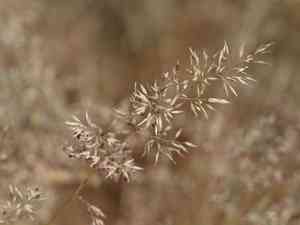
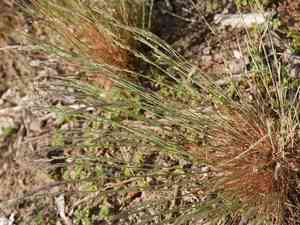
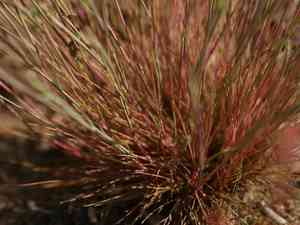
Images of Gray clubawn grass
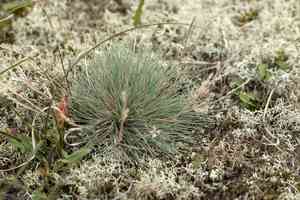
Quickly Identify Gray clubawn grass
1
This plant can be identified by its greyish-green leaves that have a hairy texture and its loose, spike-like inflorescences. The culms (stems) are slender and can reach up to 40 cm in height.
Scientific Classification of Gray clubawn grass
Phylum
Vascular plants
Class
Monocotyledons
Order
Poales
Family
Grass
Genus
Corynephorus
Species
Gray clubawn grass
Planting and Growing of Gray clubawn grass
Care Difficulty
Easy
Watering Schedule
Every 2 days
Sunlight Requirements
Full sun
Sunshine Duration
4-8 hours
Ideal Temperature
60-75℉
Soil Type
Potting Mix, Peat Mix
Soil pH
6.5-7.5
Fertilizer Type
Balanced
Pruning Season
Spring, Summer
Pruning Area
Branches, Leaves
Pruning Frequency
2 times a year
Repotting Season
Spring
Pot Type
Plastic, Ceramic
 How to Water Gray clubawn grass?
Corynephorus canescens, also known as gray hair grass, requires about 100 milliliters of water during each session. It's important to let the soil dry out completely between waterings. This grass thrives in well-draining soils, so water should be enough to keep the soil lightly moist without saturating it.
What are the symptoms of an underwatered Gray clubawn grass?
›
What should I do if my Gray clubawn grass is not getting enough water?
›
What are the symptoms of an overwatered Gray clubawn grass?
›
How to save an overwatered Gray clubawn grass?
›
 What Are the Sunlight Requirements for Gray clubawn grass?
Corynephorus canescens ideally thrives with full sun, receiving optimal benefit such as robust growth and well-developed leaf structure. Providing ample light ensures the plant remains vigorous and resistant to environmental stresses.
More About Sunlight Requirements Techniques→
Why does Corynephorus canescens need full sun?
›
Where should I place Corynephorus canescens for optimal sunlight?
›
How can I adjust lighting conditions seasonally?
›
 What Is the Ideal Temperature Range for Gray clubawn grass?
Corynephorus canescens thrives best within a temperature range of 60 to 75°F. In this range, the plant's metabolic processes are most efficient, promoting healthy growth and development. Adequate sunlight and well-drained soil further enhance its growth within these temperatures.
 What Soil is Best for Gray clubawn grass?
Corynephorus canescens thrives in soils that have excellent drainage properties. This characteristic prevents waterlogged conditions that can lead to root rot and other diseases. This plant is adapted to nutrient-poor sandy soils, making it ideal for environments where other plants may struggle. This feature helps maintain its competitive edge in nutrient-deficient habitats. The soil should have a loose structure, allowing air to reach the roots. This aeration is crucial for promoting healthy root development and better absorption of minerals and nutrients.
 How to Fertilize Gray clubawn grass?
Corynephorus canescens, commonly known as gray hair-grass, thrives best with minimal fertilization due to its adaptability to poor soils. For liquid fertilizers, use a solution that is diluted to half its normal strength, around 10-15 ml per liter of water, to avoid over-nourishing the plant. This ensures the plant receives nutrients without overwhelming its natural growth patterns.
 How to Prune Gray clubawn grass?
Prune Corynephorus canescens in early spring before new growth begins. Assessing the weather conditions is key; ensure frost is unlikely, as new growth is sensitive to cold damage. Look for and remove any brown or damaged blades from the previous season. This helps the plant focus its energy on generating new and healthy shoots, improving its overall appearance. Gently trim the edges to shape and size the plant according to the desired aesthetic. This encourages dense, bushy growth while maintaining the grass's natural sway and movement.
More About Pruning Techniques→
 How to Propagate Gray clubawn grass plant?
1
Prepare a seed tray with well-draining potting mix. Lightly firm the surface, ensuring it is even. Sow the seeds evenly, avoiding overcrowding, which can lead to poor germination and competition for nutrients.
2
For division, water the plant thoroughly a day before to ensure the plant is hydrated. Gently lift the clump from the ground using a garden spade and shake off excess soil to expose the root system.
3
After dividing or sowing seeds, place the new plants in a sheltered area away from direct sunlight. Water them moderately, ensuring the soil remains moist but not soggy. Gradually introduce them to full sun as they establish.
 How to Repot Gray clubawn grass plant?
1
Signs that Corynephorus canescens needs repotting include roots emerging from drainage holes, decreased plant vigor, or when it has outgrown its current pot. Ideal repotting times are early spring and early autumn, allowing the plant to establish itself in moderate temperatures before extreme seasonal changes.
2
Select a pot that is one size larger than the current one, providing enough space for root expansion yet maintaining a snug fit to avoid excessive soil moisture. Ensure the pot has adequate drainage holes to prevent waterlogging, promoting healthy root development and reducing root rot risks.
3
Opt for a well-draining, sandy soil mix that mimics its natural sandy habitats. This type of soil prevents water stagnation, supports adequate aeration, and encourages robust root growth, essential for the plant's overall vitality and stress resilience after repotting.



