How to Transplant Common hazel?
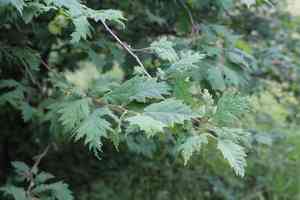
The most favorable period for relocating common hazel is in the revitalizing phase of early to mid-spring, which encourages vigorous development. Select a location offering partial shade and possessing soil that drains effectively. Should it be required, amend the site with compost to boost its health.
Essential Preparations Before Relocating Common Hazel
When is the Best Time to Move Common Hazel?
The prime window for transplanting common hazel is during its revitalization phase, from early to mid-spring. Moving common hazel at this invigorating time ensures root establishment in warming soil, benefiting from moist conditions and avoiding summer heat stress. Spring transplantation allows common hazel the full growing season to develop robustly, making it a smart choice for a thriving garden.
What is the Recommended Spacing Between Common Hazel Plants?
To allow your common hazel ample room to flourish, excavate planting holes approximately 15-20 feet (4.5-6 meters) apart. This guarantees sufficient area for the plant's growth. A bit of effort now will yield significant rewards later!
What is the Optimal Soil Blend for Common Hazel Transplantation?
For your common hazel, a soil that drains well yet retains moisture is ideal. Achieve a balanced nutrient profile by incorporating an organic base fertilizer to enrich the soil. It might seem like a chore, but it's excellent nourishment for your plant!
Where Should You Replant Your Common Hazel?
Your common hazel thrives in sunlight, so select a garden location that receives full sun to partial shade. More sun exposure generally leads to a healthier plant. Remember, it's all about finding the right balance!
Equipment Needed Before Transplanting Common Hazel
Gardening Gloves
To protect your hands from sharp elements, thorns, and direct soil contact.
Shovel or Spade
This tool will be used for excavating the ground at both the original and new sites for common hazel.
Garden Fork
Crucial for loosening the soil around common hazel without causing root damage.
Wheelbarrow
For transporting common hazel from its old spot to the new location, especially if the plant is large.
Watering Can
To hydrate common hazel both before and after the transplanting process.
Mulch
This will aid in retaining soil moisture after transplantation, which is vital for the growth of common hazel.
How to Extract Common Hazel from the Ground
How to Extract Common Hazel from the Ground
From Ground: First, don your gardening gloves for protection. Next, water the base of common hazel to moisten the soil, making it easier to dig. Begin digging a wide circle around common hazel with a shovel or spade, ensuring it's broad enough to avoid cutting into the root ball. Once deep enough, carefully use a garden fork to loosen the root ball until common hazel can be lifted. Place the plant onto the wheelbarrow and move it to its new spot.From Pot: Start by watering common hazel and letting excess water drain from the pot. Put on gardening gloves and gently tip the pot sideways, grasping common hazel as close to the base as possible. Gently pull the plant, and it should slide out with its root ball. If it's stuck, you might need to tap the pot's sides or roll it on the ground to loosen the soil.From Seedling Tray: Water the seedlings to dampen the soil. Slide a garden fork or hand trowel beneath the soil to lift the common hazel seedling, roots and minimal soil intact. Be careful not to harm the delicate roots during lifting; hold the common hazel seedling by its leaves, not the stem.
Step-by-Step Guide for Relocating Common Hazel
Hole Preparation
Initiate the transplanting process by digging a hole twice as wide and slightly deeper than the common hazel's root ball. Ensure the soil at the bottom and sides of the hole is loosened with a garden fork to encourage root development.
Plant Placement
Carefully position common hazel in the hole. The top of the root ball should sit slightly above ground level to account for settling. Backfill and gently firm the soil around common hazel using your hands.
Watering
Water common hazel generously immediately after transplanting. Ensure deep penetration by watering slowly and thoroughly; this promotes strong root establishment.
Mulching
Apply a substantial layer of mulch around common hazel, but be sure to leave a clear space directly around the stem to prevent rot.
Post-Transplant Care for Common Hazel
Watering
Continue to water common hazel regularly, maintaining consistent soil moisture without overwatering. Watering frequency may decrease as the plant becomes established and grows.
Monitoring Plant Health
Observe common hazel closely for several weeks for any signs of stress, such as yellowing or wilting leaves. If these conditions persist, consider consulting a gardening expert.
Troubleshooting Common Issues with Common Hazel Transplantation.
What is the ideal time of year to transplant common hazel?
The optimal period for transplanting common hazel spans from late winter to early spring.
How much space should I allow between common hazel plants when transplanting?
For optimal growth, common hazel should be spaced 15-20 feet (4.5-6 meters) apart.
Can common hazel withstand drought after transplanting?
Common hazel can be sensitive to dry conditions post-transplant. Ensure regular watering to protect against drought stress.
What depth should the hole be when transplanting common hazel?
Excavate a hole as deep as the root system but twice as wide, typically about 10 inches (25 cm) deep for common hazel.
Is fertilizer necessary when transplanting common hazel?
Yes, incorporating slow-release fertilizer into the planting hole can supply common hazel with essential nutrients for thriving.
What soil type is most suitable for transplanting common hazel?
Common hazel flourishes best in well-drained yet moisture-retentive soils. If possible, add organic matter to enhance soil structure.
How much sunlight does common hazel need after transplant?
Post-transplant, common hazel prefers a location with full sun to partial shade.
How quickly should I transplant common hazel after purchasing it?
Transplant common hazel as soon as possible after bringing it home from the nursery; the quicker it's in the ground, the faster it can acclimate.
How should I prune common hazel during the transplanting process?
Prepare common hazel for transplant by trimming approximately one-third of the plant's upper growth. This helps balance water loss with the reduced root system.
Will common hazel require staking after transplant?
Common hazel rarely needs staking after transplant, unless it is exceptionally tall or situated in an exposed, windy area.



