Enhancing Your Garden Design with the Common hazel Plant: A Landscaping Guide
1
The Common hazel presents an attractive appearance throughout the year due to its evolving seasonal features.
2
Perfect for supporting diverse ecosystems, Common hazel supplies shelter and sustenance for native fauna.
3
Common hazel is suitable for thoughtful placement to act as a central feature or a living barrier in landscape plans.
Introducing Common Hazel in Garden Design
Discovering the visual charm of Common Hazel
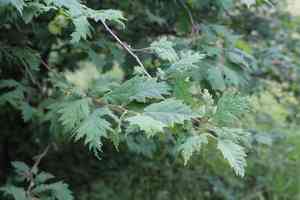
For those seeking to infuse their garden with natural grace, Common Hazel offers distinct appeal. This plant showcases a lovely outline with its gently arching branches and heart-shaped foliage. In spring, delicate catkins brighten the scenery, while autumn brings golden-yellow leaves, adding vibrant color. Whether crafting a formal garden or a relaxed backyard, Common Hazel's aesthetic qualities can deliver striking visual impact.
Understanding Common Hazel's adaptability in various garden styles
Common Hazel is a versatile addition to any outdoor space, integrating smoothly into diverse garden aesthetics. From classic English cottage gardens to sleek minimalist layouts, Common Hazel can adjust and elevate the overall theme. It can serve as a natural boundary between garden zones or as a prominent standalone specimen. Its tolerance for different soil types and climates also makes it an excellent choice for varied gardening environments.
Brief overview of Common Hazel's growth patterns and visual traits
Common Hazel is a deciduous plant reaching 12 to 20 feet in height, with a spread of 10 to 15 feet. Its growth rate is relatively quick, making it ideal for gardeners desiring rapid visual impact. The plant's multi-stemmed shrub form provides a dense, full appearance that can be shaped and pruned for various landscape needs. Its leaves are broad and oval, offering a lush, green backdrop throughout the growing season before changing color in fall.
Designing with Common Hazel: Strategic Placement and Uses
Optimal spots for planting Common Hazel for maximum visual effect
To maximize Common Hazel's potential in your garden, consider placing it where it fulfills both aesthetic and practical roles. Use it to frame entrances, form hedges or borders, or as a central focal point. Planting Common Hazel near patios and seating areas can provide natural shade and a pleasant backdrop for outdoor activities. Its ability to thrive in partial shade also makes it suitable for planting beneath larger trees.
Companion plants that complement Common Hazel well
Pairing Common Hazel with suitable companion plants can enhance your landscape's beauty. Consider plants like hostas, ferns, and spring bulbs, which flourish in similar conditions and offer varied textures and hues. Additionally, flowering shrubs such as hydrangeas and azaleas can be planted nearby to create a layered effect. This combination with Common Hazel will ensure a dynamic and visually engaging garden year-round.
Using Common Hazel as a focal point or background in garden design
Integrating Common Hazel as either a focal point or background depends on your garden's overall design and flow. As a focal point, it can be placed prominently where its seasonal changes and structural form are appreciated. Alternatively, using Common Hazel as a backdrop can provide a lush, green curtain that highlights other colorful and ornamental plants in the foreground. Its dense foliage also makes it practical for screening and creating private zones within your garden.
Environmental Benefits and Sustainability with Common Hazel
Common Hazel's contributions to local biodiversity and ecosystems
Incorporating Common Hazel into your landscaping not only boosts its visual appeal but also supports local biodiversity. The plant offers habitat and food for various wildlife, including birds, insects, and small mammals. Its nuts are particularly favored by squirrels and birds, while the leaves and branches provide shelter and nesting sites. By planting Common Hazel, you help sustain local ecosystems, fostering a thriving, diverse environment.
How Common Hazel supports sustainable gardening practices
Sustainability is a growing concern in modern gardening, and Common Hazel champions this cause. It supports sustainable practices through its low maintenance needs and adaptability to various soils. Common Hazel is relatively drought-tolerant once established, reducing the need for frequent watering. By including Common Hazel in your garden, you also lessen the need for chemical fertilizers and pesticides, as the plant is resistant to many common pests and diseases. This makes it an eco-friendly choice for environmentally conscious gardeners.
The role of Common Hazel in creating eco-friendly landscapes
Creating an environmentally friendly landscape involves selecting plants beneficial to the environment and easy to care for. Common Hazel perfectly fits this description. Its ability to thrive in diverse conditions without excessive care makes it an ideal candidate for sustainable landscapes. Furthermore, by fostering local biodiversity, reducing water usage, and minimizing chemical interventions, Common Hazel helps create a greener, more sustainable garden aligned with ecological values.
Seasonal Considerations: Maximizing Common Hazel's Year-Round Appeal
Seasonal transformations in Common Hazel's appearance
One of Common Hazel's remarkable traits is its seasonal vibrancy. In spring, the emergence of catkins and fresh green leaves signals the plant's reawakening. As summer progresses, the foliage remains lush and green, offering consistent beauty. Come autumn, Common Hazel transforms with a display of golden-yellow leaves, providing a striking visual before winter arrives. Even in winter, its architectural form and bare branches add a unique, sculptural element to your garden.
Preparation tips for Common Hazel to flourish throughout the seasons
To ensure Common Hazel thrives all year, follow several preparation tips. In spring, light pruning can encourage healthy growth and shape the plant. Mulching in late spring helps retain soil moisture and suppress weeds. During summer, ensure Common Hazel receives adequate water, especially during dry spells. In autumn, a potassium-rich fertilizer can help strengthen the plant for colder months. Finally, in winter, minimal intervention is needed beyond protecting young plants from frost damage with mulch or a protective cover.
Maintenance routines to ensure Common Hazel's continuous beauty
Maintaining Common Hazel involves periodic but straightforward routines. Regularly check for any signs of pests or diseases and address them promptly with organic solutions. Pruning should occur in late winter or early spring to promote new growth and maintain the desired shape. Keeping the plant's base weed-free and mulched helps retain soil moisture and reduces nutrient competition. With consistent care, Common Hazel can remain a beautiful, essential part of your landscape throughout the year.
Innovative Ideas for Integrating Common Hazel in Modern Landscapes
Contemporary landscape designs utilizing Common Hazel's unique features
Common Hazel can be creatively incorporated into modern landscape designs to add natural elegance. Consider using Common Hazel with sleek, contemporary hardscapes like stone pathways or metal sculptures. The contrast between Common Hazel's natural form and the clean lines of modern design elements can create a visually striking effect. Additionally, Common Hazel's structural form can be highlighted with strategic lighting, making it a stunning feature in evening and nighttime gardens.
Utilizing Common Hazel in urban and confined spaces
Urban and compact garden areas can greatly benefit from including Common Hazel. Its adaptability to various growing conditions makes it suitable for small gardens, courtyard themes, and even large containers. In tight spaces, Common Hazel can provide much-needed greenery and seasonal interest without overwhelming the area. The plant's vertical growth habit also makes it a good choice for creating green screens or living walls in urban settings, adding privacy and a touch of nature to city living.
Creative DIY landscape projects with Common Hazel
For garden enthusiasts who enjoy DIY projects, Common Hazel offers numerous possibilities. Constructing a natural privacy hedge with Common Hazel is a practical project that can enhance your garden's aesthetics and function. Alternatively, you can create a mini orchard by planting several Common Hazel plants together, fostering a small wildlife habitat. Using Common Hazel branches and catkins in homemade wreaths and floral arrangements can also bring a touch of your garden's beauty indoors. The possibilities are limited only by your creativity.



