How to Prune Common hazel?
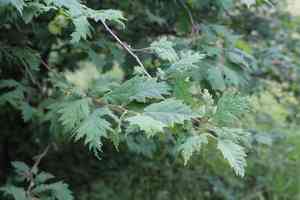
Originating from Europe and Western Asia, Corylus avellana is a deciduous bush characterized by wide, circular foliage and edible fruit. It necessitates structural trimming in its initial stages to develop a robust scaffold. Established specimens gain from regular thinning, eliminating aged branches to encourage vigor and nut yield. The most effective time for pruning is in late winter or early spring while the plant is inactive, which reduces sap loss. Trimming enhances light exposure and air movement, vital for the well-being of Corylus avellana and boosting its harvest.
What Are the Benefits of Pruning Common Hazel?
What Are the Benefits of Pruning Common Hazel?
Trimming common hazel promotes robust development by eliminating old or weak stems, ensuring energy is directed towards new, healthy growth. Regular cutting helps maintain its desired form and size, offering a neat visual appeal.
What Is the Best Time for Pruning Common Hazel?
What Is the Best Time for Pruning Common Hazel?
Pruning common hazel in late winter and early spring coincides with the plant's dormant phase, just before new growth begins. This timing minimizes stress and infection risk, as cuts heal quickly with the spring growth surge. Additionally, shaping common hazel is easier without leaves, making its structure visible. Pruning before spring also prevents the removal of developing flowers and nuts, safeguarding the seasonal yield. Late winter to early spring pruning is vital for plant health, strong structure, and promoting vigorous growth and productivity for the upcoming season.
What Tools Do I Need to Prune Common Hazel?
Hand Pruners
Perfect for snipping small twigs and branches of common hazel. They enable precise cuts and help preserve plant health by removing dead or diseased wood.
Loppers
Best for cutting thicker branches too large for hand pruners. They provide the necessary leverage for clean cuts on common hazel's branches without harming the plant.
Pruning Saw
A suitable tool for removing mature or large branches from common hazel when loppers are insufficient. Its sawing action allows for clean and efficient cutting through thick wood.
Shears
Useful for shaping hedges or removing soft growth and maintaining the external form of common hazel. They offer a wider cutting surface and are ideal for clipping shoots and leaves.
Pole Pruner
Essential for reaching high branches of common hazel without a ladder. They feature a cutting blade operable from the ground, providing a safe way to prune at height.
How to Prune Common Hazel
Identification
Carefully inspect common hazel to pinpoint dead or diseased branches. Dead branches will lack green growth, while diseased ones may show discoloration, growths, or visible signs of decay.
Sterilization
Sanitize your pruning tools with a solution of 1 part bleach to 9 parts water to prevent disease transmission during the trimming process.
Cutting
Using sharp, clean pruning shears, cut dead branches where they meet healthy wood, and remove diseased branches by cutting at least several inches into healthy tissue to ensure complete removal of the disease.
Diagnose
Examine the cuts for signs of disease in the wood. If diseased wood is found within the cut, make another cut further down the branch into healthy wood.
Disposal
Immediately discard dead and diseased branches to prevent potential re-infection or infestation; do not compost these materials.
Common Pruning Mistakes with Common Hazel
Overpruning
Cutting back too much can stress common hazel, hindering its ability to produce nuts and leading to weak new growth.
Improper Cut Location
Cutting too far from a bud or node, or too close, can prevent healing or damage the bud. This may lead to diseases and poor growth patterns.
Removing Healthy Wood
Unnecessarily cutting healthy branches can reduce the nut yield and vigor of common hazel.
Uneven Pruning
Pruning common hazel unevenly can result in a lopsided, unstable shape that may affect its overall health and production.
Using Dull Tools
Dull pruning tools can cause jagged cuts that are more prone to infection and do not heal well.
Ignoring Disease
Failing to remove diseased or damaged wood can allow problems to spread throughout common hazel.
Common Pruning Tips for Common Hazel
Sanitary Practices
Always use sharp, clean pruning tools to make clean cuts and prevent the spread of disease.
Cut Location
Make cuts just above a bud or node at a 45-degree angle, which aids healing and encourages growth in the desired direction.
Disease Removal
Regularly inspect and promptly remove any diseased or dead material to maintain the health of common hazel.
Structural Pruning
Focus on structural pruning to maintain a strong framework, particularly in the early years of growth for common hazel.
Thinning
Thin out dense areas to improve light penetration and air circulation, which can reduce the risk of disease and stimulate productivity.
Shape Maintenance
Maintain the natural shape of common hazel without over-formalizing, which can prevent stress to the plant and ensure a healthy nut yield.



