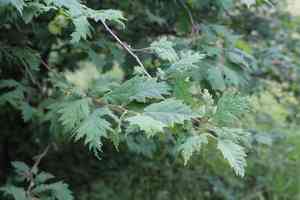
Common hazel (Corylus avellana)
Also known as: European filbert, Cobnut, Common filbert
The common hazel, scientifically known as Corylus avellana, is a deciduous shrub native to Europe and western Asia. It is widely cultivated for its edible nuts, commonly called hazelnuts. While "hazelnuts" can refer to nuts from various Corylus species, they most frequently come from Corylus avellana. These nuts are enjoyed both on their own and as key ingredients in various confectioneries.
In This Article
Attributes of Common hazel
Lifespan
Perennial
Plant Type
Tree, Shrub
Plant Height
3 m to 15 m
Spread
2.5 m to 3 m
Leaf Color
Green Yellow
Flower Size
5 cm to 12 cm
Flower Color
Yellow Green Red
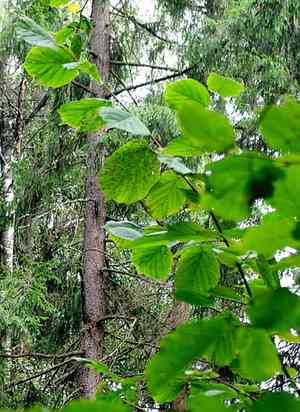
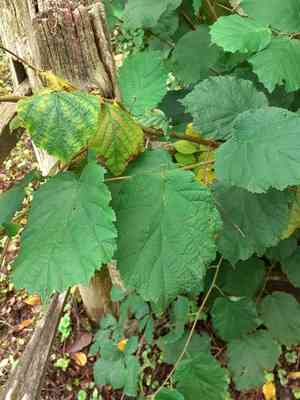
Images of Common hazel


Quickly Identify Common hazel
1
Deciduous broad leaves, 2.5-5 inches wide (6-13 cm), double-serrate edges.
2
Smooth silvery-gray bark turning fissured with age, young bark red-brown tint.
3
Distinctive fruit: spherical nut, 0.5-1 inch diameter (1.25-2.5 cm), green husk.
4
Male flowers: yellow-brown catkins, 1-2 inches long (2.5-5 cm), inconspicuous female flowers.
5
Multi-trunked stems, dense thickets, twisting growth, hairy young shoots, smooth with age.
Scientific Classification of Common hazel
Phylum
Vascular plants
Class
Dicotyledons
Order
Beeches, walnuts, and allied trees
Family
Birch
Genus
Hazels
Species
Common hazel
Planting and Growing of Common hazel
Care Difficulty
Easy
Watering Schedule
Every 3 days
Sunlight Requirements
Full sun
Sunshine Duration
4-8 hours
Ideal Temperature
50-75℉
Soil Type
Potting Mix, Peat Mix
Soil pH
6.5-7.5
Fertilizer Type
Balanced
Pruning Season
Spring, Summer
Pruning Area
Branches, Leaves
Pruning Frequency
2 times a year
Repotting Season
Spring
Pot Type
Plastic, Ceramic
 How to Water Common hazel?
For Corylus avellana, the ideal watering amount is around 500 milliliters per session. The goal is to moisten the soil evenly without overwatering. Ensure that the water reaches the root zone but does not pool excessively, as this can lead to root rot.
More About Watering Techniques→
What are the symptoms of an underwatered Common hazel?
›
What should I do if my Common hazel is not getting enough water?
›
What are the symptoms of an overwatered Common hazel?
›
How to save an overwatered Common hazel?
›
 What Are the Sunlight Requirements for Common hazel?
Corylus avellana thrives in partial to full sunlight, benefitting from around 4-6 hours daily. Adequate light fosters vigorous growth, enhances leaf color, and supports nut production.
More About Sunlight Requirements Techniques→
What is the best location for Corylus avellana?
›
Why is balanced sunlight crucial for Corylus avellana?
›
How can you adjust lighting to get the best results?
›
 What Is the Ideal Temperature Range for Common hazel?
For Corylus avellana, ideal temperature conditions range from 50°F to 75°F. At these temperatures, the plant can photosynthesize effectively, maintain its physiological processes, and exhibit optimal growth. It is crucial to maintain these conditions for the health and productivity of the plant.
 What Soil is Best for Common hazel?
Corylus avellana thrives in nutrient-rich soil as it supplies essential nutrients that support vigorous growth and abundant nut production. Such soil ensures the plant has access to nitrogen, phosphorus, and potassium, which are critical for robust root and shoot development. Well-drained soil is crucial for Corylus avellana as it prevents waterlogging, which can lead to root rot. Adequate drainage helps maintain the right moisture level, promoting healthy root systems and overall plant vitality. Corylus avellana requires soil that retains enough moisture to prevent dehydration but not so much that it causes water stress. Balanced moisture retention helps in sustaining the plant during dry spells while avoiding the adverse effects of excess water retention.
More About Soil→
 How to Fertilize Common hazel?
For Corylus avellana, it is essential to apply fertilizers with specific amounts. During early spring, mix a balanced 10-10-10 NPK fertilizer at about 0.5 to 1 kg per mature plant. Adjust based on the soil's fertility and plant response, ensuring optimal nutrient availability without excess.
More About Fertilizing Techniques→
 How to Prune Common hazel?
Begin by removing any dead, damaged, or diseased wood, cutting just above a healthy bud. Focus on maintaining an open structure to allow light and air to penetrate, which reduces the risk of fungal diseases. When cutting, angle your shears to promote water runoff, preventing rot. To keep the plant's size in check, thin out crossing branches and shorten overly long stems. This helps maintain an attractive, bushy form while promoting better airflow and light penetration. Always cut back to a bud facing outward to encourage outward growth. For mature or overgrown Corylus avellana, a rejuvenation pruning can be beneficial. Remove approximately one-third of the oldest stems at the base to stimulate new growth. This intense pruning should only be done every few years to avoid stressing the plant.
More About Pruning Techniques→
 How to Propagate Common hazel plant?
1
Before planting, immerse the seeds in water for 24 hours to soften their hard outer shell. This step encourages germination by allowing water to penetrate and activate growth within the seed embryo.
2
Identify healthy, non-flowering shoots from the current year's growth. Cuttings should be about 10-15 cm long. Strip the lower leaves, leaving two or three at the top, to reduce water loss and allocate energy towards root development.
3
Select a healthy, flexible branch near the ground. Gently bend it and secure it to the soil with a U-shaped pin. Cover a section of the branch with soil and water regularly until roots form; then, transplant to a chosen location.
 How to Repot Common hazel plant?
1
Corylus avellana shows the need for repotting when you notice roots growing out of drainage holes, the soil dries out too quickly, or the plant has outgrown its current pot. These signs indicate that the plant requires more space and nutrients.
2
Choose a pot that is 2-3 inches larger in diameter than the current one. Ensure that it has good drainage holes to prevent waterlogging. The right size provides enough space for root growth without overwhelming the plant.
3
Select a loamy, well-drained potting mix. This type of soil maintains the right balance of moisture retention and drainage, allowing Corylus avellana to thrive by preventing root rot and ensuring adequate nutrient availability.



