How to Transplant Western cordilleran bunchberry?
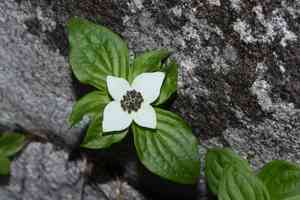
For western cordilleran bunchberry, the prime period for relocating is from early spring's melt until its final weeks, leveraging cooler conditions for root development. Position western cordilleran bunchberry in partial shade with adequately draining earth and ensure consistent soil hydration after moving.
What Preparations are Needed Before Transplanting Western Cordilleran Bunchberry?
What is the Ideal Time for Transplanting Western Cordilleran Bunchberry?
The perfect time to move western cordilleran bunchberry is when days begin to warm, but summer's intense heat hasn't arrived. Relocating western cordilleran bunchberry during this revitalizing period allows it to adapt to its new spot with minimal stress. Planting them then helps their roots establish firmly before winter, ensuring strong growth for the next year.
How Much Space Should You Leave Between Western Cordilleran Bunchberry Plants?
Hello, aspiring gardener! When getting western cordilleran bunchberry ready for a new home, imagine giving each plant ample room to grow. Aim for 4-6 feet (1.2-1.8 meters) between them. This spacing is ideal for western cordilleran bunchberry to spread and flourish without competing for nutrients and sunlight.
What is the Best Soil Mix for Western Cordilleran Bunchberry Transplanting?
Before western cordilleran bunchberry settles its roots into its new dwelling, let's discuss the soil. A loamy soil, rich in organic matter, is your best bet. Incorporate some well-rotted compost to provide western cordilleran bunchberry with a nutrient-rich welcome. A balanced slow-release fertilizer will also help western cordilleran bunchberry get comfortable.
Where Should You Relocate Your Western Cordilleran Bunchberry?
Sunlight can be a delicate balance for western cordilleran bunchberry. An ideal spot receives partial shade with gentle morning sun. These conditions mimic western cordilleran bunchberry's natural forest floor environment, offering a cozy, dappled area to call home. This is where western cordilleran bunchberry will thrive!
What Equipments Should You Prepare Before Transplantation Western Cordilleran Bunchberry?
Gardening Gloves
To safeguard your hands while handling soil and plants.
Shovel or Garden Spade
For digging around and beneath the western cordilleran bunchberry plant to extract it safely.
Garden Fork
To loosen the soil surrounding the western cordilleran bunchberry, reducing root damage during removal.
Pruning Shears
To trim any damaged or overly long roots prior to transplanting.
Wheelbarrow or Garden Cart
For moving the western cordilleran bunchberry and soil.
Watering Can or Hose with a Gentle Spray Attachment
To water the western cordilleran bunchberry before extraction and after planting.
Burlap or Tarp
To transport the root ball and keep roots moist during relocation.
How Do You Remove Western Cordilleran Bunchberry from the Soil?
How Do You Remove Western Cordilleran Bunchberry from the Soil?
From Ground: Water the western cordilleran bunchberry plant to moisten the soil the day before transplanting. Then, use a shovel or spade to dig a wide circle around the western cordilleran bunchberry, going deep enough to encompass most of the root ball. Gently work the spade under the root ball to lift the plant. Slide burlap or a tarp beneath the root ball before moving to prevent soil loss and keep roots intact.From Pot: Water the western cordilleran bunchberry thoroughly, then turn the pot sideways and gently tap it to loosen the soil. Support the western cordilleran bunchberry by placing a hand at the soil's surface, and slowly and carefully ease the plant out of the pot. Inspect the root ball for any circling roots and prune if needed with pruning shears.From Seedling Tray: Use a garden fork or spoon to carefully lift each western cordilleran bunchberry seedling from its cell, taking care not to harm the delicate roots. Hold the seedling by a leaf rather than the stem to avoid causing any injury.
Step-by-Step Guide for Transplanting Western Cordilleran Bunchberry
Preparation
Water the western cordilleran bunchberry the evening before transplanting to ensure hydrated roots and surrounding soil. This will ease removal and reduce plant stress.
Root Ball Care
Carefully place the western cordilleran bunchberry's root ball onto burlap or a tarp after removal. This aids in transport and root protection. Trim any damaged roots with pruning shears.
Transportation
Carry or use a wheelbarrow to move the western cordilleran bunchberry with its root ball on burlap or a tarp to the new site quickly, minimizing root exposure.
Planting Hole
Dig a hole at the new location that is twice as wide and the same depth as the root ball. Center the western cordilleran bunchberry in the hole and gently spread its roots.
Positioning
Ensure the top of the root ball is level with the surrounding ground to encourage proper root development.
Filling In
Backfill the planting hole with the excavated soil, gently tamping down to remove air pockets. Water thoroughly to settle the soil around the roots.
Stabilization
If needed, stake the western cordilleran bunchberry for extra support, but avoid tying it too tightly, which can harm the stem.
How Do You Care For Western Cordilleran Bunchberry After Transplanting?
Watering
Water deeply immediately after transplanting western cordilleran bunchberry, and maintain consistent moisture in the following days to aid root establishment and recovery.
Mulching
Apply a layer of organic mulch around western cordilleran bunchberry to retain soil moisture and regulate temperature, but keep it away from the stem to prevent rot.
Monitoring
Observe western cordilleran bunchberry for signs of transplant shock, such as wilting or discolored leaves, and take steps to alleviate stress.
Troubleshooting Common Issues with Western Cordilleran Bunchberry Transplantation.
Why is my western cordilleran bunchberry not thriving after transplanting?
Ensure western cordilleran bunchberry receives adequate water, light, and soil conditions post-transplant. Also, confirm its roots weren't harmed during the process.
How can I tell if western cordilleran bunchberry is planted at the correct depth?
The root crown of western cordilleran bunchberry should be flush with the surrounding soil surface. Planting too deep or shallow can impede its growth.
What spacing is optimal when transplanting western cordilleran bunchberry?
For healthy growth, space western cordilleran bunchberry approximately 4-6 feet (1.2-1.8 meters) apart. This provides ample room for future expansion.
What's the best time of year to transplant western cordilleran bunchberry?
Transplant western cordilleran bunchberry during the mild period of early to late spring to allow root establishment before summer's heat.
How often should I water western cordilleran bunchberry after transplanting?
Water western cordilleran bunchberry thoroughly after transplanting, then regularly, letting the soil dry slightly between waterings to encourage root development.
What type of soil does western cordilleran bunchberry require when transplanting?
Use well-draining, fertile soil rich in organic matter to supply western cordilleran bunchberry with the necessary nutrients for thriving.
Can I use fertilizer right after transplanting western cordilleran bunchberry?
Wait a few weeks before applying a balanced, slow-release fertilizer to prevent burning the newly forming roots.
How do I prepare the transplant site for western cordilleran bunchberry?
The site should have loose, well-draining soil with added organic matter, and be free of weeds and debris.
Is sun exposure important for western cordilleran bunchberry after transplanting?
Yes, western cordilleran bunchberry needs partial to full sunlight to flourish. Ensure the new location receives sufficient light.
What should I do if western cordilleran bunchberry leaves wilt after transplanting?
Wilting can indicate stress. Make sure western cordilleran bunchberry has proper watering, isn't in overly hot sun, and protect it from strong winds.



