How to Prune Western cordilleran bunchberry?
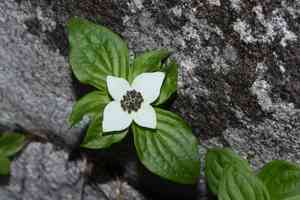
This enduring groundcover thrives in chilly, shadowed forest environments. Trim western cordilleran bunchberry minimally to preserve its inherent form. Optimal trimming occurs in late spring subsequent to blooming, fostering a compact growth pattern. Eliminate deceased or frail stalks and thin out crowded sections for robust development. Periodic trimmingâfrom spring through autumnâboosts vitality and visual attractiveness, while avoiding winter to avert frost harm. Its pruning requirements are modest, contributing to its simple upkeep and its role as an effortless landscape ground cover.
Advantages of Trimming Western Cordilleran Bunchberry
Advantages of Trimming Western Cordilleran Bunchberry
Trimming western cordilleran bunchberry fosters a sturdy framework that supports abundant blossoms, robust development, and maintains its desired shape. Strategic cuts enhance light exposure and air movement, crucial for peak health and visual appeal.
Optimal Timing for Pruning Western Cordilleran Bunchberry
Optimal Timing for Pruning Western Cordilleran Bunchberry
The period from late spring to early summer is ideal for pruning western cordilleran bunchberry, as this coincides with the post-flowering stage, minimizing impact on blooming. In late spring, the risk of frost has passed, reducing plant stress. Pruning in early summer promotes new growth while the plant is active, allowing western cordilleran bunchberry to recover and direct energy to fresh, healthy shoots before winter dormancy. This timing also enables gardeners to effectively shape the plant and manage its size before the full vigor of summer growth. Avoid autumn pruning, as cuts may not heal before cold weather, potentially causing damage.
Essential Tools for Pruning Western Cordilleran Bunchberry
Hand Pruners
For cutting stems and small branches up to 1/2 inch in diameter. Western cordilleran bunchberry may have stems that require precise, clean cuts to maintain plant health and shape.
Garden Scissors
These are perfect for trimming soft stems and foliage. Western cordilleran bunchberry has delicate flower structures that may need light shaping or deadheading.
Long-Handled Loppers
If western cordilleran bunchberry has branches thicker than 1/2 inch, loppers provide leverage for clean cuts without causing damage to the plant structure.
How to Prune Western Cordilleran Bunchberry
Clean tools
Sanitize pruning shears with alcohol or a bleach solution to prevent the spread of disease while trimming western cordilleran bunchberry.
Remove diseased leaves
Carefully cut off diseased leaves from western cordilleran bunchberry at the base of the stem, making sure not to tear or damage nearby healthy tissue.
Trim withered leaves
Identify and prune withered leaves from western cordilleran bunchberry using the same technique, ensuring a clean cut to promote good plant health.
Prune withered flowers
Snip withered flowers from western cordilleran bunchberry at their base without affecting the budding zone, to encourage new growth and flower production.
Dispose trimmed material
Collect and dispose of all trimmed material away from western cordilleran bunchberry to prevent the risk of fungal disease or pest infestation.
Common Pruning Errors with Western Cordilleran Bunchberry
Over-pruning
Excessively cutting back western cordilleran bunchberry can stress the plant and diminish its natural form, potentially stunting its growth and flowering potential.
Improper cut placement
Making cuts too far from a bud or node may result in dead stubs, while too close might damage the bud, leaving western cordilleran bunchberry susceptible to disease and pests.
Using dull tools
Dull pruning tools can crush stems and branches instead of making a clean cut, which can harm western cordilleran bunchberry and inhibit proper healing.
Pruning healthy growth
Unnecessarily removing healthy growth can reduce the vigor and aesthetic appeal of western cordilleran bunchberry, as it naturally forms a pleasing, low-lying groundcover.
Neglecting sanitization
Failing to sanitize tools between cuts and plants can spread diseases to western cordilleran bunchberry, affecting its health and the environment's overall well-being.
General Pruning Advice for Western Cordilleran Bunchberry
Selective thinning
For western cordilleran bunchberry, focus on selectively thinning out crowded stems to enhance air circulation and light penetration, which promotes vigorous growth.
Maintenance pruning
Conduct light maintenance pruning to remove any dead, diseased, or damaged growth from western cordilleran bunchberry, which helps maintain its appearance and health, without significant alteration of its form.
Encourage runners
When pruning western cordilleran bunchberry, encourage the growth of its runners for ground cover expansion by lightly trimming back the tips, stimulating the plant to spread.
Cut to a lateral bud
Make pruning cuts at a 45-degree angle, just above a lateral bud or node, to direct new growth of western cordilleran bunchberry, ensuring cuts are clean and precise for rapid healing.
Post-flowering care
If pruning is essential, consider doing it shortly after flowering, so western cordilleran bunchberry can conserve energy for the next blooming cycle and also rejuvenate its growth.



