The Western cordilleran bunchberry Plant Advantage: Maximizing Home and Office Appeal and Wellness
1
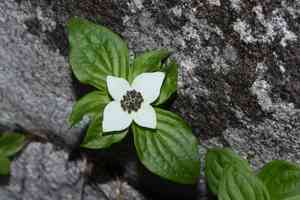
The Western cordilleran bunchberry flourishes beneath forest canopies, offering vital refuge for animals.
2
This flora contributes significantly to maintaining soil integrity and preventing land degradation.
3
Its bright red fruits are a crucial dietary component for numerous avian species.
What Makes Western cordilleran bunchberry Ecologically Important?
Enhancing Wildlife Habitat
Western cordilleran bunchberry is especially valuable for creating rich environments for diverse wildlife. Its dense leaves offer refuge for small animals and insects, making it a vital part of forest ecosystems. Furthermore, the berries produced by Western cordilleran bunchberry serve as a nutritious food source for birds and other creatures, ensuring a balanced diet that supports their survival and reproduction.
Soil Stabilization and Erosion Control
A key ecological advantage of Western cordilleran bunchberry is its capacity to stabilize soil and prevent erosion. The plant's strong root system binds the soil, decreasing the likelihood of soil loss, particularly on sloped and uneven terrain. This not only protects the land but also prevents sediment from entering nearby water bodies, maintaining cleaner aquatic ecosystems.
Can Western cordilleran bunchberry Improve Your Garden?
Attractive Foliage and Seasonal Appeal
Western cordilleran bunchberry can be a charming addition to any garden due to its vibrant leaves and seasonal fruits. It offers a unique visual appeal with its lush green foliage during the growing period and bright red berries in autumn. This seasonal change can add a dynamic element to garden landscapes, making them visually pleasing throughout the year.
Low Maintenance Requirements
For gardeners seeking plants that require little upkeep, Western cordilleran bunchberry is an excellent choice. It is resilient to various growing conditions and needs minimal care once established. This makes it especially suitable for gardeners who desire abundant greenery without the intensive attention that other plant species might demand.
Why Is Western cordilleran bunchberry Vital for Biodiversity?
Supporting Pollinator Populations
Western cordilleran bunchberry indirectly aids pollinator populations, which are crucial for the reproduction of many plant species, including various crops. By providing food and shelter for insects, it ensures that the ecosystem remains balanced and that pollinators can flourish. This contributes to broader biodiversity and the health of the natural environment.
Promoting Plant Diversity
The presence of Western cordilleran bunchberry in forests and gardens helps foster plant diversity by maintaining the ecosystem's integrity. It often grows alongside other native plants, contributing to a more varied plant community. This diversity is essential for resilience against pests, diseases, and changing climatic conditions.
How Is Western cordilleran bunchberry Used in Landscaping?
Natural Groundcover
Western cordilleran bunchberry is frequently utilized as a natural groundcover in landscaping projects due to its dense growth habit. It effectively reduces weed growth by covering the soil, which minimizes the need for chemical herbicides. This makes it an environmentally friendly option for maintaining clean and green spaces.
Ecosystem Restoration
In ecosystem restoration initiatives, Western cordilleran bunchberry is often used to rehabilitate damaged sites. Its ability to quickly establish and stabilize soils makes it an ideal candidate for restoring ecological balance in disturbed areas. By planting Western cordilleran bunchberry, restoration specialists can accelerate the recovery of ecosystem functions and enhance biodiversity.



