How to Transplant Japanese cornel?
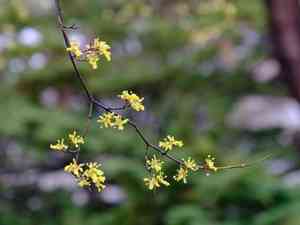
Relocate japanese cornel during the mild period of late spring or early summer, guaranteeing its root system establishes when temperatures are temperate. Select a location receiving filtered sunlight with soil that drains effectively, and contemplate amending with compost to acclimate japanese cornel to its new environment.
Necessary Preparations Before Relocating Japanese Cornel?
Optimal Timing for Moving Japanese Cornel?
Moving japanese cornel during the gentle period of late spring to early summer maximizes its growth potential due to stable weather. This timeframe provides ideal soil warmth, promoting robust root development before the peak intensity of summer heat. You'll observe enhanced resilience in japanese cornel, leading to vibrant health and vigor. Embrace this season's favor to ensure your japanese cornel flourishes!
Required Spacing Between Japanese Cornel Plants?
When relocating your japanese cornel, remember to allow ample room for unrestricted growth. An optimal spacing of approximately 10-15 feet (3-4.5 meters) is recommended. This provides sufficient area for the plant to expand and prevents competition for nutrients and water.
Ideal Soil Blend for Japanese Cornel Relocation?
The perfect environment for your japanese cornel is soil that drains effectively. A combination of loam or sandy loam mixed with composted organic material forms an excellent foundation. Consider applying a balanced fertilizer, such as a 10-10-10, to initiate growth.
Recommended Location for Your Japanese Cornel?
Choose a site where your japanese cornel can receive full sun to partial shade. A spot that gets at least six hours of sunlight is ideal. However, be sure to monitor sun exposure during very hot days to prevent potential leaf scorching.
Equipment to Prepare Before Relocating Japanese Cornel?
Gardening Gloves
To safeguard your hands while handling soil and japanese cornel.
Shovel or Spade
Essential for excavating holes in the ground.
Gardening Trowel
A smaller implement useful for carefully managing and positioning japanese cornel.
Watering Can
For hydrating the plant post-relocation.
Mulch
To insulate the soil and maintain moisture levels after moving japanese cornel.
How to Extract Japanese Cornel from the Ground?
How to Extract Japanese Cornel from the Ground?
From Ground: Start by watering the japanese cornel plant to moisten the soil, which will facilitate digging. Next, using a shovel or spade, dig a wide trench around the plant, ensuring the plant's root ball remains undamaged. Gently work the spade beneath the root ball to lift the plant from its original spot.From Pot: The japanese cornel plant must be carefully removed from its container to prevent harm. Turn the pot on its side, hold the plant gently by its base, and tap the bottom of the pot to loosen it. Carefully pull the plant from the pot, making sure not to break the root ball.From Seedling Tray: Gently grasp the base of the seedling and push the japanese cornel plant from below. Be careful not to pull the shoot or harm the roots. If the seedling is difficult to remove, you can use a tool like a spoon to ease it out.
Detailed Guide for Relocating Japanese Cornel
Preparation
Submerge the japanese cornel plant's root ball in water for a few minutes prior to relocation. Dig a hole in the new site that is twice as wide and the same depth as the root ball.
Placement
Carefully position the japanese cornel in the hole, ensuring the top of the root ball is level with the ground. Avoid planting too deeply or too shallowly.
Soil Fill
Backfill the hole with the existing soil, gently firming it around the base of japanese cornel.
Watering
Thoroughly water japanese cornel after relocating it to settle the soil.
Mulching
Apply a layer of mulch around the base of japanese cornel, but not touching the stem, to help retain moisture.
Post-Relocation Care for Japanese Cornel?
Consistent Care
Japanese cornel requires a steady care regimen. Do not neglect watering, especially during hot summer months. Ensure deep watering to reach the root system.
Pruning
Monitor growth and prune japanese cornel as needed, removing any dead or dying branches to encourage new growth and maintain plant health.
Observing
Watch for pests and diseases. If detected, apply organic pesticides or treatments as necessary.
Transplant Shock
If japanese cornel exhibits signs of transplant shock, such as wilting or yellowing leaves, continue to water and care for it. The plant should recover with adequate attention.
Addressing Common Issues with Japanese Cornel Relocation.
What is the optimal season to move japanese cornel?
My friend, the ideal period for relocating japanese cornel is late summer to early autumn (S3-S4). This timing allows the plant to establish roots before winter's arrival.
What is the recommended spacing to maintain when relocating japanese cornel?
For optimal growth, position japanese cornel approximately 10-15 feet apart (3-4.5 meters). This provides ample room for them to expand and thrive without competing for resources.
How deep should the holes be when planting japanese cornel?
When relocating japanese cornel, create holes that are twice as wide and slightly deeper than the plant's root ball. This will aid japanese cornel in establishing well in its new location.
Does japanese cornel require any special preparation before relocation?
A little foresight can be very beneficial! Soak japanese cornel's roots in a bucket of water for a few hours before moving it. This ensures it is well-hydrated for the transition.
Should I prune japanese cornel before relocating?
Yes, indeed! Trim back about one-third of japanese cornel's branches. This reduces stress on the roots during relocation and promotes healthier, more compact growth later on.
What type of soil is best for relocating japanese cornel?
Japanese cornel thrives in well-draining, fertile soil. To enhance soil structure and nutrient content, consider adding compost or organic matter before planting.
Why are my newly relocated japanese cornel plants wilting?
Wilting after relocating japanese cornel may be due to transplant shock. Ensure you water them adequately, but avoid overwatering. Consider using a root-growth stimulant to minimize shock.
How can I safeguard my relocated japanese cornel during its first winter?
Give your japanese cornel a helping hand! Apply mulch around the base of the plant, about 2-3 inches (5-7 cm) deep, to provide insulation and maintain consistent moisture levels.
Why are the leaves of my relocated japanese cornel turning yellow?
Yellowing leaves can indicate that your japanese cornel is receiving too much or too little water. Ensure the soil drains well and prevent waterlogging.
Can I relocate japanese cornel into a container?
Absolutely! Ensure the container is sufficiently large for japanese cornel's root system to grow, and has excellent drainage. Remember, container plants may require extra care in winter.



