How to Propagate Japanese cornel?
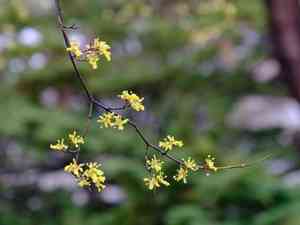
Cornus kousa flourishes when reproduced via cuttings. For peak outcomes, employing semi-hardwood sections from robust, unblemished branches guarantees a greater rate of success. These sections ought to be collected when the plant is not actively growing, prepared with a precise incision, and inserted into a well-draining substrate for rooting. Sustaining steady humidity and warmth around the cuttings will foster root formation, facilitating a strong beginning for fresh development.
Optimal Time for Japanese Cornel Propagation
Propagation Method
Cutting
Propagation Period
Autumn,Winter
Tools for Japanese Cornel Propagation
Pruning Shears
Pruning shears are crucial for obtaining clean, precise cuttings from japanese cornel. Their sharp blades minimize damage to both the parent plant and the cuttings, which is vital for successful rooting and new plant development. Using clean, sharp shears lowers infection risk and promotes quicker, healthier healing at the cut site.
Rooting Hormone
Rooting hormone enhances the probability of successful root formation in japanese cornel cuttings. Applying rooting hormone to the cut ends stimulates root growth at a faster pace than untreated cuttings. This not only boosts propagation efficiency but also improves the overall survival rate of the cuttings.
Sterile Potting Mix
A sterile potting mix is essential for offering a clean, controlled environment for japanese cornel cuttings to root. Using a sterile mix prevents the introduction of pathogens that could harm the cuttings before they establish. This medium should be light and drain well to support the development of delicate new roots.
Propagating Tray and Dome
Propagating trays paired with domes create an ideal humid environment beneficial for japanese cornel during the initial phases of cutting propagation. The dome helps maintain consistent moisture levels and temperature, key factors in encouraging root growth and preventing cuttings from drying out.
Heat Mat
A heat mat can be utilized to gently warm the soil, which can significantly improve the rooting success of japanese cornel cuttings. The warmth encourages faster root development without overheating the delicate new plants. The controlled heat from a heat mat is particularly advantageous in cooler climates or during colder months.
How to Propagate Japanese Cornel?
Propagation Type
Moderately Difficult
Caring for Your Newly Propagated Japanese Cornel
Caring for Your Newly Propagated Japanese Cornel
Post-propagation, gradually introduce japanese cornel to less humid conditions by opening the plastic covering for increasing durations over a week. Once rooted and showing new growth, move japanese cornel to its permanent spot, ensuring it gets partial to full sunlight, adequate moisture, and well-draining soil. Apply mulch to retain soil moisture and protect roots in colder climates. Maintain consistent watering, especially during dry spells, and use a balanced fertilizer during the growing season to support healthy development.
Common Errors to Avoid When Propagating Japanese Cornel
Inadequate soil preparation
If the soil lacks proper drainage or nutrients, japanese cornel's growth can be hindered. Poor soil conditions can lead to waterlogging, increasing the risk of root rot.
Overwatering
While japanese cornel requires moist conditions, excessive water can result in root rot or fungal infections, lowering propagation success.
Neglecting initial care
Failing to provide consistent care during the early propagation stages, such as maintaining humidity and ensuring appropriate sunlight, can lead to poor root development or plant stress.
Tips For Propagating Japanese Cornel
Use well-draining soil
A well-draining soil mix, rich in organic matter, ensures proper water retention and aeration, crucial for japanese cornel's root health and overall growth.
Careful watering
Maintain consistent moisture but avoid overwatering. Use a moisture meter or manually check soil dampness to ensure optimal moisture levels for japanese cornel's growth without waterlogging.
Provide initial care
Ensure that the newly propagated japanese cornel receives gentle sunlight and is shielded from extreme temperatures. A stable environment aids in establishing the plant more effectively.



