How to Prune Japanese cornel?
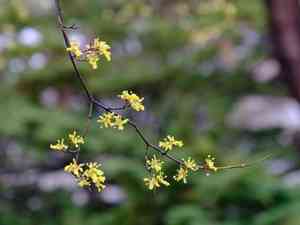
This leafless bush, recognized for its early spring blossoms and vibrant autumn leaves, ought to be trimmed in late winter or early spring. Japanese cornel thrives when older branches are thinned to improve air circulation and light exposure, thereby boosting flowering and overall plant health. Any dead or compromised wood must also be taken out. Strategic trimming guarantees a well-proportioned framework and encourages fresh development, resulting in a more abundant flowering period for japanese cornel.
What Are the Benefits of Pruning Japanese Cornel?
What Are the Benefits of Pruning Japanese Cornel?
Trimming japanese cornel promotes robust development and maintains its desired form. Regular cutting eliminates old growth, stimulating new shoots that enhance the plant's vigor and look.
What Is the Best Time for Pruning Japanese Cornel?
What Is the Best Time for Pruning Japanese Cornel?
The periods of late winter and early spring are considered ideal for pruning japanese cornel, as they occur before its active growth phase. During these times, japanese cornel remains dormant, which minimizes plant stress and reduces the risk of sap loss common in actively growing plants. Pruning before new growth begins allows gardeners to shape the plant and remove any dead or diseased wood, improving overall plant health and vitality. Furthermore, since japanese cornel is a flowering plant that blooms on old wood, pruning after flowering in late spring or summer would remove flower buds and diminish the upcoming season's display. Trimming in late winter or early spring ensures the preservation of its flowering potential and maintains the plant's natural cycle of blooming and fruiting.
What Tools Do I Need to Prune Japanese Cornel?
Bypass Pruners
Perfect for making clean cuts on live wood up to approximately 1/2 to 3/4 inch in diameter. japanese cornel's smaller branches will benefit from the precise cut these pruners offer, encouraging healthy growth.
Loppers
Required for thicker branches, typically up to 1 1/2 to 2 inches in diameter. Given japanese cornel's medium-sized branches, loppers provide the necessary leverage for cleaner, easier cuts without straining the gardener's hands.
Pruning Saw
For the largest branches exceeding 2 inches in diameter, a pruning saw ensures cuts can be made without harming japanese cornel's structure. Its capacity to handle thick wood makes it essential.
Hedge Shears
If japanese cornel is being shaped into a hedge, hedge shears are suitable for trimming smaller twigs to maintain a desired shape and dense foliage.
How to Prune Japanese Cornel
Clean tools
Before pruning japanese cornel, sanitize your pruning shears with alcohol or a bleach solution to prevent the spread of diseases.
Cut dead branches
Identify and remove all dead branches by cutting them back to the base or to a healthy lateral branch using angled cuts to promote water run-off and prevent disease.
Remove diseased branches
Inspect japanese cornel for any signs of disease, such as discolored leaves or branches, and remove them by making cuts into healthy tissue to ensure complete removal of affected parts.
Healthy pruning
After removing dead and diseased branches, make additional cuts to improve air circulation and light penetration within japanese cornel's canopy by selectively pruning overgrown or crossing branches.
Cleanup
Gather and dispose of all pruned material away from japanese cornel to reduce the risk of disease spreading, and clean your tools again after finishing.
Common Pruning Mistakes with Japanese Cornel
Over-pruning
Removing too much foliage from japanese cornel can weaken the plant and reduce its ability to photosynthesize, leading to poor growth and fewer blooms.
Removing too much old wood
Old wood on japanese cornel often contains flower buds that will bloom in the subsequent season. Excessive removal of this wood can significantly reduce flowering.
Improper cut location
Cutting too far from a bud or leaving a stub can cause japanese cornel to heal improperly and potentially lead to disease or pest infestations.
Using dull tools
Pruning japanese cornel with dull tools can cause bruising and uneven cuts, making the plant susceptible to disease and stress.
Neglecting sanitization
Not sanitizing tools before pruning japanese cornel can spread diseases between plants, which can be detrimental to their health and growth.
Common Pruning Tips for Japanese Cornel
Use sharp tools
Sharp and clean tools ensure precise cuts that heal quickly, minimizing the risk of disease and damage to japanese cornel.
Prune selectively
Prune selectively to shape japanese cornel and remove only what is necessary, such as dead or diseased wood, and to open up the canopy for better air circulation and light penetration.
Cut at an angle
Make cuts at a 45-degree angle approximately 1/4 inch above outward-facing buds to promote healthy regrowth in japanese cornel.
Consider plant age
For young japanese cornel, focus on shaping the plant and establishing a strong framework. On mature specimens, minimal pruning may be required, primarily to maintain plant health.
Thin out crowded areas
Thin out crowded areas in japanese cornel to reduce competition for light and nutrients, and to enhance air circulation, thus reducing the chance of fungal diseases.



