How to Transplant Tossa jute?
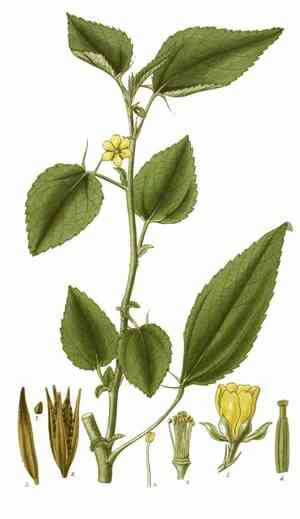
Relocate tossa jute during the mild period of initial seasonal warmth, generally spanning late spring through early summer, as ground temperatures facilitate root development. Select a brightly lit location featuring soil that drains effectively, and ensure steady hydration following the transplant for optimal outcomes.
What Preparations are Needed Before Transplanting Tossa Jute?
What is the Ideal Time for Transplanting Tossa Jute?
The best time to move tossa jute is when late spring's warmth transitions into early summer's mild days, providing an optimal growth setting. Placing tossa jute in the garden during this period encourages strong root development and adaptation, ready for the season's ample sun and moderate rainfall. This timing aligns with tossa jute's preference for steadily rising temperatures, which benefits its health and vitality. A friendly reminder: transplanting during this window significantly increases tossa jute's chances of thriving, flourishing in harmony with nature's rhythm.
How Much Space Should You Leave Between Tossa Jute Plants?
When preparing to rehome your tossa jute, ensure they have sufficient room to thrive. Aim to space them approximately 10-12 inches (25-30 cm) apart. This provides each plant with ample space to develop robustly and healthily without competing for nutrients or sunlight.
What is the Best Soil Mix for Tossa Jute Transplanting?
For your tossa jute, you'll want to prepare a nourishing bed. Seek out well-draining, loamy soil rich in organic matter. Before planting, incorporate a balanced, slow-release fertilizer to give your tossa jute an excellent start. Consider it a welcoming meal for your plants!
Where Should You Relocate Your Tossa Jute?
Your tossa jute loves soaking up the sun! Select a bright location where they can receive at least 6-8 hours of sunlight daily. This will ensure your tossa jute grows tall and reaches its full blooming potential. Just like us, they require sunshine to flourish!
What Equipments Should You Prepare Before Transplantation Tossa Jute?
Gardening Gloves
To safeguard your hands while handling soil and plants.
Hand Trowel
For excavating small holes and relocating the plant.
Garden Spade or Shovel
To dig the hole for the transplant.
Watering Can or Hose
To hydrate the plant before and after its relocation.
Pruning Shears
To trim any damaged roots or stems prior to transplanting.
Wheelbarrow or Garden Cart
To transport soil or the plant if needed.
Mulch
To cover the soil around the plant after its relocation.
How Do You Remove Tossa Jute from the Soil?
How Do You Remove Tossa Jute from the Soil?
From Ground: First, water the tossa jute plant to moisten the soil. Then, dig a wide trench around the plant using a shovel or spade, ensuring the plant's root ball stays intact. Carefully work the spade beneath the root ball to lift the plant from its original spot.From Pot: Water the tossa jute plant, then turn the pot on its side. Gently tap and squeeze the pot to loosen the soil. Gradually tilt the pot and guide the root ball out with your hand supporting the plant's base.From Seedling Tray: Water the seedlings to make the soil damp. Use a hand trowel or your fingers to gently lift the seedling from its cell, making sure to include the entire root system with minimal disturbance.
Step-by-Step Guide for Transplanting Tossa Jute
Preparation
Ensure all tools and materials are ready. Confirm you're transplanting at the correct time of dayâeither early morning or late afternoon to prevent midday heat stress on the tossa jute. Make sure the tossa jute's soil is moist before starting the transplant to reduce root stress and damage.
Plant Removal
Follow the removal instructions based on whether the tossa jute is coming from the ground, a pot, or a seedling tray. Be gentle and try to keep as much of the root ball intact as possible.
Digging The Hole
Use a spade or shovel to dig a hole in the new location that is twice as wide and the same depth as the tossa jute's root ball to allow for easy establishment in its new spot. Mix in some compost with the excavated soil if desired to improve soil condition without drastically altering fertility.
Planting
Place the tossa jute in the center of the hole. The top of the root ball should be level with the ground surface. Carefully replace the soil around the root ball, gently firming it down to remove air pockets and secure the plant in place.
Watering
Water the tossa jute thoroughly immediately after transplanting to settle the soil and hydrate the roots. Create a basin around the base to keep water focused on the root zone.
Mulching
Apply a layer of mulch around the base of the tossa jute to retain moisture, regulate soil temperature, and suppress weeds. Keep mulch a few inches away from the stem to prevent rot.
How Do You Care For Tossa Jute After Transplanting?
Initial Watering
Water the tossa jute generously right after transplanting, then continue watering every other day for the first week. Afterward, gradually decrease the frequency as the tossa jute becomes established.
Monitoring
Regularly check the tossa jute for signs of transplant shock, such as wilting or discolored leaves. Address any stress the plant may experience promptly.
Pest and Disease Management
Keep an eye out for pests and diseases that might exploit the tossa jute's vulnerability post-transplant. Use appropriate organic methods to resolve any issues.
Supporting Growth
If the tossa jute is a taller variety, consider adding a stake or trellis for support as it grows. Gently tie the plant to the support with soft ties.
Troubleshooting Common Issues with Tossa Jute Transplantation.
Why is my tossa jute wilting after transplanting?
Wilting after transplanting can be due to root disturbance or insufficient water. Handle roots gently and keep soil moist.
What's the ideal distance between transplanted tossa jute plants?
Optimal spacing for tossa jute is 10-12 inches (25-30 cm), providing ample room for growth and air circulation.
When should I transplant tossa jute for best results?
Transplant tossa jute during late spring to early summer to ensure a warm growing environment without extreme heat.
How deep should I plant tossa jute seedlings?
Plant tossa jute at the same depth they were in their previous container to prevent stem rot or drying out.
Can I transplant tossa jute on a hot day?
Transplanting tossa jute on a cooler day or in the evening is best to avoid heat stress on the plants.
Why are my transplanted tossa jute plants turning yellow?
Yellowing may indicate overwatering, poor drainage, or nutrient deficiencies. Check soil conditions and adjust care accordingly.
Do I need to fertilize tossa jute after transplanting?
Yes, a balanced fertilizer can help tossa jute recover from transplant shock and promote healthy growth.
How much should I water tossa jute after transplanting?
Water tossa jute thoroughly to settle the soil around the roots but avoid waterlogging. Monitor soil moisture regularly.
What signs of transplant shock should I look for in tossa jute?
Transplant shock in tossa jute may appear as wilting, yellowing leaves, or stunted growth. Provide consistent care for recovery.
How do I protect newly transplanted tossa jute from pests?
Keep the area around tossa jute free from weeds and debris to deter pests, and check plants regularly for early signs of infestation.



