How to Prune Tossa jute?
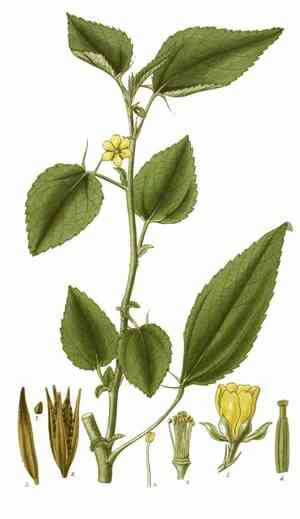
Renowned for its stringy stalks utilized in fabric manufacturing, tossa jute necessitates consistent trimming to sustain its well-being and output. Nip off the developing ends to foster a denser form and eliminate any discolored or compromised foliage to stimulate robust development. Trimming is most effectively carried out during periods of active development in spring, summer, and early autumn. This targeted cutting enhances leaf production and optimizes air movement, which is crucial for minimizing the likelihood of illness within tossa jute's thick canopy.
Advantages of Trimming Tossa Jute
Advantages of Trimming Tossa Jute
Trimming tossa jute promotes robust development and helps maintain its form, thereby enhancing the plant's vitality and visual appeal. Eliminating old or crowded stems improves air circulation, lowering the risk of disease.
Optimal Period for Trimming Tossa Jute
Optimal Period for Trimming Tossa Jute
Trimming tossa jute in Spring allows for the removal of any frost damage and encourages healthy new growth as temperatures rise. Early Summer pruning is effective so that tossa jute does not become overstressed during peak heat, which might hinder growth. Late Fall offers a window post-harvest and before dormancy sets in, allowing tossa jute to focus energy on root and shoot development without the burden of maintaining excess foliage.
Required Tools for Trimming Tossa Jute
Hand Pruners
Perfect for snipping slender stems and branches, hand pruners offer the precision and control needed for shaping tossa jute without causing undue harm to the plant.
Shears
Given that tossa jute can grow quite bushy, shears are effective for quickly trimming larger areas and for shaping the plant. Standard shears are suitable for soft growth, while heavy-duty shears can be used for thicker stems.
Pruning Saw
If older stems of tossa jute have become thick and woody, a pruning saw may be necessary. It allows for the removal of thicker branches without injuring the remaining plant structure.
Gloves
Wearing gloves is crucial to safeguard hands from scratches and sap, ensuring a secure trimming session for tossa jute.
How to Trim Tossa Jute
Sanitize Tools
Before trimming tossa jute, make sure to sanitize the pruning shears or scissors with a bleach solution or rubbing alcohol. This helps prevent the spread of diseases between plants.
Hydrate Plant
Water tossa jute thoroughly a day before trimming to ensure it is well-hydrated, which helps it to recover faster after the pruning process.
Remove Withered Leaves
Carefully identify and remove the withered leaves from tossa jute by cutting them at the base of the stem, making sure not to damage adjacent healthy tissue.
Clean Cut
Make each cut clean and sharp to facilitate quick healing for tossa jute. Avoid tearing or leaving jagged edges, which could lead to pest invasions or diseases.
Dispose Debris
Dispose of the removed withered leaves properly, away from the garden to reduce the chance of disease and pests affecting tossa jute or other plants.
Common Trimming Errors with Tossa Jute
Excessive Trimming
Removing too much foliage from tossa jute can stress the plant, leading to poor growth and reduced resilience.
Incorrect Tool Usage
Using dull or dirty cutting tools can cause jagged cuts and introduce diseases to tossa jute.
Tearing Limbs
Ripping or tearing branches instead of making clean cuts can damage tossa jute's vascular system and impede recovery.
Neglecting Diseased Areas
Failing to remove diseased or pest-infested sections can allow problems to spread throughout tossa jute.
Ignoring Growth Pattern
Not considering tossa jute's natural growth habit when pruning can result in an unsightly shape and affect future growth.
General Trimming Advice for Tossa Jute
Clean Cuts
Ensure to use sharp, clean pruning shears to cut tossa jute's branches, as this promotes better healing.
Selective Thinning
Remove only the specific branches of tossa jute that are overgrown, diseased, or dead to avoid excessive thinning.
Follow Branch Collar
When removing larger limbs from tossa jute, cut just beyond the branch collar to facilitate proper healing.
Pruning For Air Circulation
Thin out tossa jute's dense areas to improve airflow, which helps reduce the risk of fungal diseases.
Post-Pruning Care
After pruning tossa jute, ensure the plant has adequate water and nutrients to support recovery and new growth.



