Enhancing Your Garden Design with the Tossa jute Plant: A Landscaping Guide
1
Tossa jute offers a distinct visual texture and hue to any outdoor area.
2
Adequate sunlight and ground conditions are vital for Tossa jute's robust development.
3
Combining Tossa jute with suitable companion plants improves both its development and visual charm.
Exploring the Visual Appeal of Tossa Jute in Garden Design
Aesthetic contribution: How Tossa jute's texture and hue enhance outdoor areas
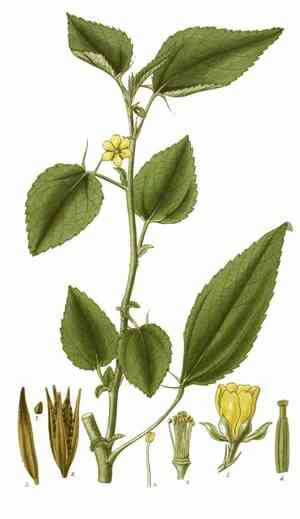
Choosing appropriate plants for your outdoor space can transform your residence into a verdant sanctuary. Tossa jute stands out due to its distinct texture and vivid coloration. Its broad foliage provides a pleasing visual contrast against other garden flora. The rich green shade remains consistent throughout its life cycle, offering a continuous element of beauty. Integrating Tossa jute into your landscape can serve as a focal point or a backdrop, adding visual depth and intrigue. Whether combined with blooming plants or utilized in a minimalist design, Tossa jute imparts a refreshing touch to any garden setting.
Seasonal progression: Adapting the garden with Tossa jute's life cycle
Tossa jute offers more than just a static feature; it changes with the seasons, bringing dynamic visuals to your garden. In springtime, its fresh growth revitalizes the garden's appearance. Its development peaks in warmer months, where it contributes lushness and vibrancy. As colder periods approach, even if Tossa jute sheds some leaves, it still maintains structural interest within the landscape. By understanding and planning around Tossa jute's growth pattern, homeowners can ensure their garden remains attractive year-round.
Selecting the Optimal Site for Tossa Jute
Light requirements: Determining ideal exposure for Tossa jute
Tossa jute flourishes best in locations with abundant sunlight. Ideally, select a spot that receives at least six hours of direct sun daily. However, it is adaptable enough to endure partial shade. Positioning Tossa jute in a sunny area ensures vigorous growth, prolific leaf production, and overall plant vitality. For gardens with varying light conditions, prioritize morning sun, which is less intense but highly beneficial for Tossa jute's development.
Soil preferences: Best substrate types for robust Tossa jute growth
The secret to a thriving Tossa jute plant lies in its soil. It favors well-draining, fertile soil rich in organic matter. Gardeners should aim for soil that retains moisture without becoming waterlogged. A slightly acidic to neutral pH level (approximately 6 to 7) is perfect for Tossa jute to absorb nutrients effectively. Before planting, consider enriching the soil with compost or well-rotted manure to boost fertility and structure, ensuring an ideal environment for Tossa jute's root development.
Spacing guidelines: Ensuring Tossa jute has ample room to flourish
Correct spacing is crucial for the healthy development of Tossa jute. Each plant should be positioned approximately 12 to 18 inches apart. Sufficient spacing allows for air circulation, reducing the risk of fungal diseases. It also ensures that Tossa jute receives adequate sunlight and resources from the soil, promoting full and vigorous growth. Overcrowding can lead to competition for nutrients and light, ultimately hindering the plants' growth and health.
Integrating Tossa Jute with Other Flora
Companion plant suggestions: Which species enhance Tossa jute's growth and beauty
Tossa jute pairs well with various plants that can either highlight its appeal or support its development. Companion plants such as marigolds can help deter pests and improve soil health. Flowering plants like zinnias or cosmos add vibrant colors that complement the lush green of Tossa jute. Additionally, considering plants with similar sunlight and water needs can simplify garden upkeep. Herbs like basil or garlic can serve dual purposes by enhancing garden aesthetics while offering practical benefits.
Designing plant arrangements: Creating visually pleasing clusters with Tossa jute
Designing an aesthetically pleasing garden involves thoughtful plant arrangements. By grouping Tossa jute with plants of differing heights, textures, and colors, gardeners can create a layered and dynamic landscape. For instance, placing taller flowering plants behind Tossa jute adds depth, while shorter ground cover plants in front can create a unified look. Groupings should consider bloom times to ensure continuous visual interest. Mixing Tossa jute with perennial plants can maintain a balanced appearance throughout the year.
Long-Term Upkeep and Care Advice for Tossa Jute
Pruning techniques: How and when to trim Tossa jute for optimal development
Pruning is essential for maintaining the health and appearance of Tossa jute. Regular trimming helps to encourage new growth and preserve the plant's form. The best time to prune Tossa jute is during its active growth phase, typically in spring and summer. Promptly remove any dead or diseased leaves to prevent the spread of infections. Light trimming can be performed to promote bushier growth, while more extensive pruning may be necessary to reshape or control the plant's size. Tools should be sanitized before use to minimize disease risk.
Pest management: Common pests attracted to Tossa jute and natural control methods
Like any plant, Tossa jute can attract various pests. Frequent culprits include aphids, whiteflies, and spider mites. Natural pest control methods are preferred to avoid chemical residues on the plant. Introducing beneficial insects like ladybugs or lacewings can help manage pest populations. Neem oil or insecticidal soaps are effective treatments for infestations. Regularly inspecting the plants and maintaining garden hygiene can prevent pest issues from escalating. Furthermore, companion planting with pest-repellent plants like marigolds can offer an additional layer of protection.



