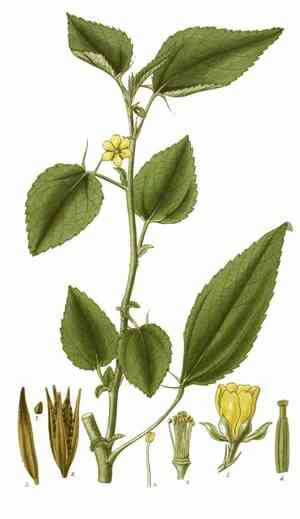
Tossa jute(Corchorus olitorius)

Tossa jute (Corchorus olitorius)

Also known as: Bush okra, West african sorrel, Krinkrin, Molokhia

Tossa jute (Corchorus olitorius), beyond being a traditional leafy vegetable often used in African cuisine where it creates a mucilaginous texture similar to okra, has multiple other applications:

1. **Fiber Production**: It is mainly cultivated for its robust fibers, which are essential for producing burlap, hessian, ropes, and mats.
2. **Paper and Cardboard**: The plant's pulp is utilized in the manufacturing of paper and cardboard products.
3. **Medicinal Applications**: The leaves possess anti-inflammatory and antioxidant properties, making them valuable in traditional medicine.
4. **Agricultural Benefits**: Used as green manure, it enhances soil fertility and structure.
5. **Animal Feed**: The plant's leaves and stems serve as nutritious fodder for livestock.
6. **Eco-friendly Crafts**: Its fibers are employed in creating sustainable crafts, textiles, and packaging materials.

Attributes of Tossa jute

Lifespan
Annual, Perennial, Biennial
Plant Type
Herb
Plant Height
2 m
Spread
25 cm
Leaf Color
Green Blue
Flower Size
2 cm
Flower Color
Yellow

ForwardPlant - Identify plants with a snap

Identify and diagnose plants, get toxicity alerts, and explore safety guides for all types of fungi.

Try for Free

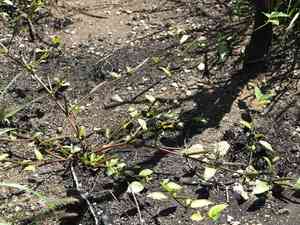
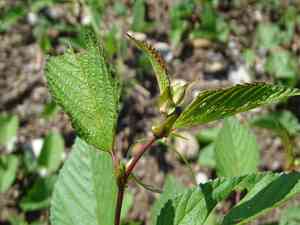
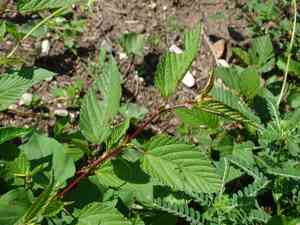
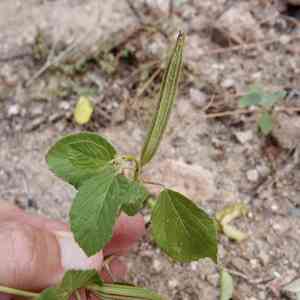
Images of Tossa jute

Tossa jute(Corchorus olitorius)

Quickly Identify Tossa jute

1
Corchorus olitorius can be identified by its tall, slender stems and oval, glossy green leaves. The leaves have serrated edges, and the plant produces small yellow flowers.

Scientific Classification of Tossa jute

Phylum
Vascular plants
Class
Dicotyledons
Order
Malvales
Family
Mallow
Genus
Corchorus
Species
Tossa jute

Planting and Growing of Tossa jute

Care Difficulty
Easy
Watering Schedule
Every 6 days
Sunlight Requirements
Full sun
Sunshine Duration
4-6 hours
Ideal Temperature
75-95℉
Soil Type
Potting Mix, Peat Mix
Soil pH
6.5-7.5
Fertilizer Type
Balanced
Pruning Season
Spring, Summer
Pruning Area
Branches, Leaves
Pruning Frequency
2 times a year
Repotting Season
Spring
Pot Type
Plastic, Ceramic

water icon How to Water Tossa jute?

Corchorus olitorius, also known as Jute, thrives in consistently moist soil. Each watering session should evenly moisten the soil, allowing enough water that the soil feels damp, but not soggy, at about 500 ml per session.
What are the symptoms of an underwatered Tossa jute?
What should I do if my Tossa jute is not getting enough water?
What are the symptoms of an overwatered Tossa jute?
How to save an overwatered Tossa jute?

sunlight icon What Are the Sunlight Requirements for Tossa jute?

Sunlight Requirements: Full sun
Duration of light: 6 to 8 hours
Corchorus olitorius benefits from full sun exposure, typically 6 to 8 hours per day. This optimal range aids in robust growth and healthy leaf development.
What is the ideal light for Corchorus olitorius?
How can we ensure ideal lighting conditions?
What benefits does ideal lighting bring?
More About Sunlight Requirements Techniques

temperature icon What Is the Ideal Temperature Range for Tossa jute?

Ideal Temperature: 75 ~ 95℉
Corchorus olitorius thrives in warm climates, favoring temperatures between 75°F and 95°F. This range ensures optimal growth and development of the plant, promoting robust foliage and healthy seed production. In this environment, the plant's metabolic processes function efficiently, enhancing photosynthesis and nutrient absorption. Maintaining this temperature range helps prevent stress factors that could impact the plant's growth negatively.

soil icon What Soil is Best for Tossa jute?

Soil type: Loam, Sandy loam, Clay soil
Soil PH: 6.5 ~ 7.5
Corchorus olitorius thrives in nutrient-rich soil that provides essential minerals and organic matter. This helps in enhancing growth, improving yield, and ensuring the plant's robust health. The plant requires well-drained soil to prevent waterlogging, which can lead to root rot. Proper drainage maintains soil aeration and supports healthy root development. While drainage is crucial, the soil must also retain enough moisture to sustain the plant during dry periods. Balanced moisture levels enhance nutrient absorption and promote vigorous growth.

fertilize icon How to Fertilize Tossa jute?

Fertilizer type: Balanced
For Corchorus olitorius, the optimal fertilization amount involves using about 10-15 grams of a balanced fertilizer per plant during the growing season. This ensures the plant gets the necessary nutrients without overwhelming its root system.

prune icon How to Prune Tossa jute?

Pruning Time: Spring, Summer
Begin by identifying any dead or damaged leaves and stems. These should be the first to be pruned to prevent disease and promote healthier growth. To ensure the plant grows bushier, trim the top leaves and stems. This encourages lateral growth, making the plant fuller and more productive. More About Pruning Techniques

propagate icon How to Propagate Tossa jute plant?

Propagate Time: Spring, Early summer
1
Fill your seed tray with a well-draining potting mix. Ensure the mix is evenly distributed without compacting it too much, as loose soil helps air circulation and better root growth. Water the soil lightly before sowing the seeds to create a moist environment suitable for germination.
2
Scatter Corchorus olitorius seeds evenly over the soil surface, maintaining enough space between each seed to avoid overcrowding. Once spread, cover the seeds lightly with a thin layer of soil. Use a spray bottle to mist the top, ensuring that the seeds remain moist but not waterlogged.
3
Place the seed tray in a warm, well-lit area but out of direct sunlight to prevent scorching. Maintain a consistent temperature around 20-25°C (68-77°F) to encourage germination, which typically takes between 7 to 14 days. Monitor the moisture level regularly, keeping the soil damp but not soaked.
More About Propagating Techniques

repot icon How to Repot Tossa jute plant?

Repotting frequency: Every 1-2 years
1
Corchorus olitorius should be repotted when you notice roots coming out of the drainage holes, or when the plant looks top-heavy and growth has slowed. These are signs that the plant needs more space to thrive.
2
Select a pot that is one size larger than the current one. Ensure it has drainage holes to prevent root rot. Using the right-sized pot allows for proper root expansion and healthy growth.
3
Opt for rich, loamy soil that drains well to promote healthy root growth. Loamy soil retains moisture while allowing excess to drain, providing an ideal balance for Corchorus olitorius.

ForwardPlant - Identify plants with a snap

Find the best spots for them to optimize their health, simply using your phone.

Try for Free