How to Transplant Brazilian wax palm?
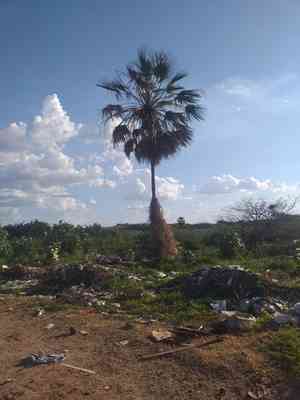
Relocating brazilian wax palm flourishes from the chilly start of winter through the mild warmth of mid-spring, a timeframe conducive to root development. Select a brightly lit location and ensure consistent soil dampness after transplantation for best adaptation.
What Preparations are Needed Before Transplanting Brazilian Wax Palm?
What is the Ideal Time for Transplanting Brazilian Wax Palm?
Moving brazilian wax palm during the transition from cold to early spring allows roots to settle in mild soil, promoting strong development. This period strengthens brazilian wax palm against intense summer heat, enabling it to thrive.
How Much Space Should You Leave Between Brazilian Wax Palm Plants?
When preparing to plant your brazilian wax palm, remember to provide ample room for growth. Position them approximately 6-8 feet (1.8-2.4 meters) apart. This spacing ensures each brazilian wax palm has sufficient area to develop its beautiful canopy without competing for nutrients or sunlight.
What is the Best Soil Mix for Brazilian Wax Palm Transplanting?
Your brazilian wax palm will flourish in a location with soil that drains effectively. Prior to planting, incorporate some organic compost to enrich the soil. If your soil is heavy with clay, consider adding sand to enhance drainage. A slow-release palm fertilizer will give your brazilian wax palm an excellent start. Simply follow the package directions for the correct quantity.
Where Should You Relocate Your Brazilian Wax Palm?
Select a sunny spot in your garden for your brazilian wax palm, as they thrive in full sunlight. An area receiving at least 6 hours of direct sun daily is optimal. Ensure this location is shielded from strong winds, which could harm the fronds of your brazilian wax palm. Happy planting!
What Equipments Should You Prepare Before Transplantation Brazilian Wax Palm?
Gardening Gloves
To safeguard your hands while excavating and handling the brazilian wax palm's root system.
Shovel or Spade
For digging out the root ball and preparing the transplant hole.
Pruning Shears
To remove any dead or excessively long roots.
Wheelbarrow or Tarp
For safely moving the brazilian wax palm to its new spot.
Watering Can or Hose
To hydrate the brazilian wax palm before and after the relocation.
Stake or Plant Support
To stabilize the brazilian wax palm in its new position if required.
How Do You Remove Brazilian Wax Palm from the Soil?
How Do You Remove Brazilian Wax Palm from the Soil?
From Ground: First, thoroughly water the brazilian wax palm to make the soil easier to manage. Carefully dig a trench around the plant, leaving a generous amount of soil attached to the root ball. Gently pry under the root ball with a shovel until you can lift the plant from the ground.From Pot: Water the brazilian wax palm, then turn the pot on its side and tap the edges and bottom to loosen the soil. Gently pull the plant by holding it at the base, being careful to keep the root ball intact.From Seedling Tray: Moisten the soil in the tray. Use a spoon or a small tool to carefully lift the individual brazilian wax palm seedlings out, ensuring the roots and surrounding soil remain undisturbed.
Step-by-Step Guide for Transplanting Brazilian Wax Palm
Preparation
Gather all necessary tools and confirm the new planting site is ready for the brazilian wax palm.
Removal
Extract the brazilian wax palm from its current location using the guidelines above, minimizing root disturbance.
Transplant Hole
Excavate a hole in the new spot that is twice as wide and the same depth as the root ball. Amend the soil if needed with compost.
Positioning
Place the brazilian wax palm into the hole, ensuring it stands upright and the top of the root ball is level with the surrounding ground.
Backfilling
Refill the hole with the excavated soil, gently firming it around the root ball to eliminate air pockets.
Stabilizing
If the brazilian wax palm is tall, carefully insert a stake into the ground and tie the brazilian wax palm to it for support.
Watering
Thoroughly water the brazilian wax palm after planting, ensuring the water penetrates deeply to reach the root ball. Continue regular watering to maintain consistent moisture.
How Do You Care For Brazilian Wax Palm After Transplanting?
Mulching
Apply a layer of organic mulch around the base of the brazilian wax palm to retain moisture and regulate soil temperature.
Monitoring
Regularly check the brazilian wax palm for signs of stress like wilting or yellowing leaves, and address any issues promptly.
Support
Adjust or remove the support stake once the brazilian wax palm has established itself and can stand independently.
Pruning
Remove any damaged or diseased fronds to direct the brazilian wax palm's energy towards root establishment.
Troubleshooting Common Issues with Brazilian Wax Palm Transplantation.
What's the best time of year to transplant brazilian wax palm?
The ideal period for transplanting brazilian wax palm is from early winter to mid-spring, allowing roots to establish before heat.
How much space does brazilian wax palm need when planting?
Plant brazilian wax palm with ample room for growth, ideally spacing them 6-8 feet (1.8-2.4 meters) apart.
Why are my brazilian wax palm leaves wilting after transplanting?
Wilting may indicate transplant shock. Ensure brazilian wax palm receives adequate water, but avoid saturating the soil.
How deep should I plant brazilian wax palm's root ball?
Position brazilian wax palm's root ball just below the soil surface, ensuring it's neither too deep nor too shallow.
Can brazilian wax palm tolerate transplanting in high temperatures?
Avoid transplanting brazilian wax palm during hot weather; it stresses the plant. Adhere to cooler, recommended transplanting seasons.
How long after transplanting should I wait to fertilize brazilian wax palm?
Wait 4-6 weeks before fertilizing to allow brazilian wax palm to recover from transplanting and for its root system to establish.
How much should I water brazilian wax palm after transplanting?
Water brazilian wax palm generously to settle the soil around the roots initially, then adjust to regular watering as needed.
What kind of soil is best for transplanting brazilian wax palm?
Transplant brazilian wax palm into well-draining soil rich in organic matter to ensure a healthy growth environment.
Should I trim brazilian wax palm before or after transplanting?
Trim dead or damaged fronds before transplanting brazilian wax palm to reduce stress and energy expenditure towards recovery.
How do I know if brazilian wax palm is getting enough light after transplanting?
Observe the frond color and growth. Brazilian wax palm should have vibrant green fronds and show new growth if properly lit.



