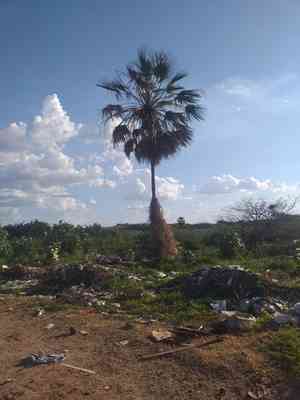
Brazilian wax palm (Copernicia prunifera)
Also known as: Carnauba palm, Carnaúba, Wax palm
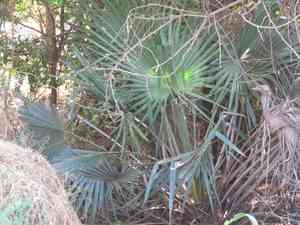
The Copernicia prunifera, known as the carnauba palm, typically grows up to 20 meters (65 feet) tall. It has a trunk diameter averaging 25 centimeters (10 inches) and a rounded canopy. Its fan-shaped leaves can reach about 1.5 meters (5 feet) across. The tree produces small, yellowish-white, bisexual flowers in clusters and bears small, black, round fruits that are approximately 2.5 centimeters (1 inch) in diameter.
In This Article
Attributes of Brazilian wax palm
Lifespan
Perennial
Plant Type
Tree
Plant Height
15-30 meters
Spread
5-8 meters
Leaf Color
Green, silvery-green
Flower Size
Small, around 1-2 cm
Flower Color
Yellow Green
Images of Brazilian wax palm
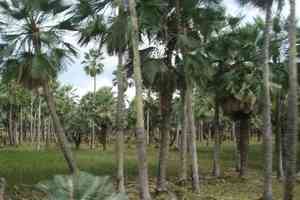
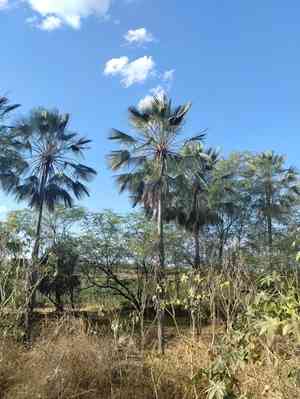
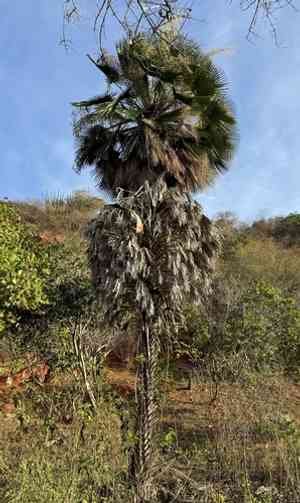
Quickly Identify Brazilian wax palm
1
Copernicia prunifera can be identified by its tall, slender trunk, fan-shaped leaves, and clusters of small yellow flowers. The trunk is grayish and smooth with circular leaf scars.
Scientific Classification of Brazilian wax palm
Phylum
Vascular plants
Class
Monocotyledons
Order
Arecales
Family
Palm
Genus
Copernicia
Species
Brazilian wax palm
Planting and Growing of Brazilian wax palm
Care Difficulty
Hard
Watering Schedule
Every 2 days
Sunlight Requirements
Full sun
Sunshine Duration
6-10 hours
Ideal Temperature
77-95℉
Soil Type
Potting Mix, Peat Mix
Soil pH
6.5-7.5
Fertilizer Type
Balanced
Pruning Season
Spring, Summer
Pruning Area
Branches, Leaves
Pruning Frequency
2 times a year
Repotting Season
Spring
Pot Type
Plastic, Terracotta
 How to Water Brazilian wax palm?
The Copernicia prunifera, or carnauba palm, typically requires about 500ml of water per session. It's essential to ensure the soil is moist but not waterlogged, as the roots need adequate oxygen. Water until the topsoil, about 5 cm deep, feels consistently damp.
What are the symptoms of an underwatered Brazilian wax palm?
›
What should I do if my Brazilian wax palm is not getting enough water?
›
What are the symptoms of an overwatered Brazilian wax palm?
›
How to save an overwatered Brazilian wax palm?
›
 What Are the Sunlight Requirements for Brazilian wax palm?
Full sun exposure ensures Copernicia prunifera attains optimal health and growth. This palm thrives with 8-12 hours of sunlight, ensuring robust fronds, vivid green color, and increased resistance to pests and diseases.
How much direct sunlight does Copernicia prunifera need?
›
Can Copernicia prunifera tolerate partial shade?
›
What are the sunlight needs for Copernicia prunifera during different seasons?
›
 What Is the Ideal Temperature Range for Brazilian wax palm?
The Copernicia prunifera thrives in temperatures typically ranging from 77°F to 95°F. This range allows the plant to maximize its growth potential, ensuring optimal photosynthesis and metabolic processes. Maintaining this temperature range also fosters robust root development and leaf expansion. Careful management within this ideal range ensures the plant's resilience and healthy development.
 What Soil is Best for Brazilian wax palm?
Copernicia prunifera thrives in nutrient-rich soil, which supports its robust growth. This soil requirement ensures that the plant receives essential nutrients like nitrogen, phosphorus, and potassium, promoting healthy foliage and strong root development. The plant prefers well-drained soil to prevent waterlogging, which can lead to root rot. This requirement is crucial as it supports healthy root aeration and prevents excess moisture accumulation, ensuring optimal plant health. While Copernicia prunifera can tolerate various soil conditions, moderately fertile soil is ideal for its sustained health and growth. This fertility balance allows the plant to access necessary nutrients without the risk of nutrient burn.
 How to Fertilize Brazilian wax palm?
Copernicia prunifera requires a balanced amount of fertilizer. Use a general-purpose palm fertilizer with a formulation of 10-5-10. For liquid fertilizers, apply approximately 0.5 liters per plant, ensuring even distribution around the root zone.
 How to Prune Brazilian wax palm?
Look for fronds that are brown, damaged, or growing in an undesirable direction. These should be targeted for removal to encourage the palm's natural shape and vigor. Healthy green fronds should be left intact unless overcrowding occurs. When removing fronds, cut them close to the trunk without damaging it. This helps keep the palm tidy and prevents the transmission of diseases. Ensure the cut is clean and even to help the healing process.
More About Pruning Techniques→
 How to Propagate Brazilian wax palm plant?
1
Fill the seed tray with sterilized potting mix, ensuring a depth of at least 2 to 3 inches. Lightly firm the soil to create an even surface for sowing the seeds.
2
Place Copernicia prunifera seeds evenly on the soil surface, and cover them lightly with a thin layer of potting mix. Seeds should not be buried too deeply to ensure proper germination.
3
Place the tray in a warm, bright location with indirect sunlight. Maintain consistent moisture levels by misting the soil gently to keep it moist but not waterlogged.
 How to Repot Brazilian wax palm plant?
1
Repotting should be considered when the Copernicia prunifera shows signs of slow growth, roots emerging from drainage holes, or when its current pot simply seems too small for its size. Ideally, repotting should be done in the early spring, when the plant is beginning its active growth phase.
2
Select a pot that is one to two inches larger in diameter than the current one and has adequate drainage holes. A pot of this size allows for optimal root expansion and helps prevent waterlogging, promoting healthy growth and preventing root rot.
3
Choose a well-draining sandy loam soil mix to ensure adequate moisture retention while preventing waterlogging. This soil type suits Copernicia prunifera as it provides a balanced environment for both root aeration and steady nutrient supply.



