How to Prune Brazilian wax palm?
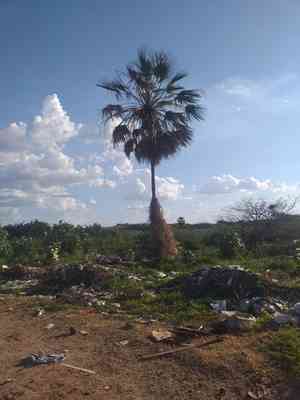
This palm species is recognized for its distinctive fan-like foliage and fruit covered in a waxy layer. To properly prune brazilian wax palm, one should eliminate any deceased or discolored fronds from the base, which encourages robust development and deters infestations. The most suitable time for pruning is in the early spring or late winter, coinciding with the plant's natural growth phase and avoiding damp periods to minimize the chance of illness. Pruning improves the plant's visual appeal and ease of access, guaranteeing brazilian wax palm flourishes in its environment or natural setting.
What Are the Benefits of Pruning Brazilian Wax Palm?
What Are the Benefits of Pruning Brazilian Wax Palm?
Trimming brazilian wax palm encourages robust new development and helps maintain its desired form. Strategic cuts can revitalize brazilian wax palm, promoting a strong structure and attractive appearance.
What Is the Best Time for Pruning Brazilian Wax Palm?
What Is the Best Time for Pruning Brazilian Wax Palm?
The optimal periods for pruning or trimming brazilian wax palm are early spring and late winter. These seasons coincide with brazilian wax palm's dormant phase, which precedes its active growth cycle. Pruning during dormancy minimizes stress and allows for recovery before new growth begins. Additionally, the absence of foliage offers better visibility for identifying damaged or diseased branches. Early spring and late winter pruning aids in preventing disease transmission, which can be more prevalent during warmer, wetter months. This timing also avoids disrupting brazilian wax palm's flowering or fruiting cycles, preserving plant health and vigor.
What Tools Do I Need to Prune Brazilian Wax Palm?
Pole Pruner
Given brazilian wax palm's height, a pole pruner is crucial for reaching and safely cutting elevated branches without needing a ladder.
Pruning Saw
For thicker branches that a pole pruner cannot handle, a pruning saw is essential. Its sharp teeth are perfect for clean cuts on brazilian wax palm's mature branches.
Hand Pruners
To trim smaller branches and fronds, hand pruners (bypass pruners) provide precision and ease of use, ensuring minimal harm to brazilian wax palm's growth points.
Loppers
When dealing with medium-sized branches, especially at lower heights, loppers offer the necessary leverage for clean cuts without straining the user.
How to Prune Brazilian Wax Palm
Clean tools
Before pruning brazilian wax palm, ensure all cutting tools are clean and sharp to prevent disease spread and make precise cuts.
Identify
Locate diseased and withered leaves on brazilian wax palm, which typically show discoloration, spots, or are drying out and browning.
Cut diseased leaves
Carefully remove diseased leaves by cutting them at the base where the leaf stem meets the trunk. Use a pruning saw or sharp shears, depending on thickness.
Cut withered leaves
For withered leaves, prune them in the same manner as diseased leaves, cutting at the base to encourage healthy development.
Sanitize
After pruning brazilian wax palm, clean the tools again with a bleach or alcohol solution to prevent the potential spread of any pathogens.
Common Pruning Mistakes with Brazilian Wax Palm
Over-pruning
Removing too many fronds can stress brazilian wax palm, leading to stunted development or even plant demise.
Improper tool use
Using dull or dirty cutting implements can harm brazilian wax palm's trunk and fronds, potentially introducing disease.
Pruning healthy fronds
Cutting away healthy fronds can weaken brazilian wax palm and reduce its ability to photosynthesize effectively.
Flush cutting
Cutting fronds too close to the trunk can create wounds susceptible to pests and diseases.
Ignorance of growth pattern
Failing to recognize brazilian wax palm's growth pattern may result in improper pruning that can damage its natural shape and vitality.
Common Pruning Tips for Brazilian Wax Palm
Appropriate tools
Use sharp, clean pruning tools to make clean cuts without damaging brazilian wax palm's fronds or trunk.
Disease control
Brazilian wax palm can be susceptible to diseases; sanitize tools between cuts, especially when removing diseased fronds.
Hydration after pruning
Water brazilian wax palm sufficiently after pruning to reduce stress and promote recovery.
Target dead or damaged fronds
Focus on removing only the dead or dying fronds, as these do not contribute to brazilian wax palm's growth and can harbor pests.
Consider plant health
Assess the overall health of brazilian wax palm before pruning. If the plant is stressed, minimize pruning to what is essential for its well-being.



