The Brazilian wax palm Plant Advantage: Maximizing Home and Office Appeal and Wellness
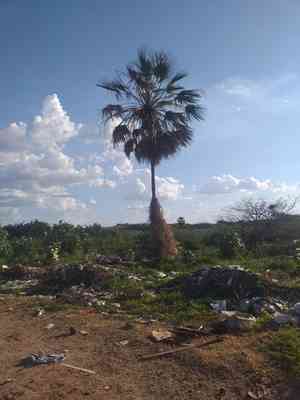
1
The Brazilian wax palm is a sustainable powerhouse, offering environmentally friendly resources.
2
Its wax finds extensive application across diverse sectors, including beauty products and edibles.
3
The plant's sturdy fibers are excellent for both artisanal and industrial purposes.
Primary Applications of Brazilian Wax Palm
Cosmetics Industry Contributions
A key application of Brazilian wax palm is its role in the cosmetics sector. The plant yields a wax, prized for its elevated melting point and robustness, rendering it an excellent component in items such as lip balms, mascaras, and lotions. Its inherent, non-allergenic qualities guarantee product safety and skin benefits.
Food Industry Applications
Brazilian wax palm wax is also a staple in the food sector. It serves as a protective layer for fruits, cheeses, and candies to extend their freshness. This edible wax imparts a natural luster and a defensive barrier, keeping produce fresh longer and improving overall food quality.
Brazilian Wax Palm's Role in Sustainability
Environmentally Friendly Resource
Brazilian wax palm stands out as a symbol of sustainability. It is grown without the need for harmful pesticides and thrives naturally in its native environment. This minimizes its ecological impact and fosters environmental equilibrium.
Sustainable Agricultural Practices
The cultivation of Brazilian wax palm supports sustainable farming methods. Growers can depend on this plant as a renewable resource, which aids in preserving soil fertility and lessens deforestation pressures by offering economic value.
Economic Advantages of Brazilian Wax Palm
Boosting Local Economies
The creation and processing of Brazilian wax palm products significantly benefit local economies, particularly in tropical regions where the plant originates. It generates employment opportunities and improves community well-being through the establishment of small-scale businesses.
Market Demand and Export Opportunities
The strong market demand for Brazilian wax palm and its derivatives has led to considerable export prospects. The global beauty and food industries' reliance on natural ingredients ensures a consistent and expanding market, making it a profitable venture for enterprises.
Industrial Uses of Brazilian Wax Palm
Craftsmanship and Artistic Applications
The fibers from Brazilian wax palm are exceptionally strong and durable, making them ideal for various artisanal crafts. From weaving baskets to crafting sturdy ropes, the uses are extensive, offering a sustainable and biodegradable alternative to synthetic fibers.
Industrial Applications
Brazilian wax palm's industrial uses are continuously expanding. Its wax is employed in manufacturing polishes, coatings, and lubricants. Its unique characteristics make it perfect for high-performance products requiring resilience and durability.
Environmental Impact of Brazilian Wax Palm
Enhancing Biodiversity
Brazilian wax palm plays a vital role in promoting biodiversity. By cultivating this plant, farmers contribute to maintaining ecological diversity, providing habitats for native wildlife, and strengthening ecosystem resilience.
Reducing Carbon Footprint
As an indigenous plant, Brazilian wax palm requires minimal agricultural intervention, which results in a lower carbon footprint. Its natural hardiness reduces the need for chemical fertilizers and irrigation, making it an eco-conscious choice for large-scale cultivation.



