How to Transplant Texas bindweed?
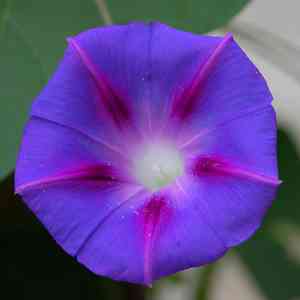
Relocate texas bindweed once temperatures rise and the threat of frost diminishes, generally occurring between late spring and early summer. Select a location bathed in sunlight that offers effective water runoff. A helpful tip: handle the root system with care to facilitate texas bindweed's establishment in its new environment.
What Preparations are Needed Before Transplanting Texas Bindweed?
What is the Ideal Time for Transplanting Texas Bindweed?
The best period to move texas bindweed is when late spring transitions into early summer. During this time, soil temperatures are favorable for root establishment, offering mild weather and optimal growth conditions. This timing allows for adequate root development before the intense heat of summer, ensuring a strong foundation for thriving and blooming. Relocating texas bindweed now leverages the season's gentle care, promising vigorous growth.
How Much Space Should You Leave Between Texas Bindweed Plants?
When positioning your texas bindweed, aim for a separation of 12-18 inches (30-45 cm) between each plant. This provides ample room for them to thrive without competing for nutrients.
What is the Best Soil Mix for Texas Bindweed Transplanting?
For texas bindweed, prepare soil that drains well and is rich in organic material. Incorporate a balanced, slow-release fertilizer before planting to give your texas bindweed a healthy start.
Where Should You Relocate Your Texas Bindweed?
Select a sunny location in your garden where texas bindweed will receive at least 6 hours of direct sunlight daily. This will help your texas bindweed grow robustly and produce beautiful blooms.
What Equipments Should You Prepare Before Transplantation Texas Bindweed?
Gardening Gloves
To safeguard your hands while handling soil and plants.
Trowel or Shovel
To excavate the plant without harming its root system.
Watering Can
To keep the plant hydrated before and after the relocation process.
Pruning Shears
To trim any dead or excess growth prior to transplanting.
Wheelbarrow or Plant Dolly
To move the plant if it is large or needs to be transported a significant distance.
Garden Fork
To loosen the soil surrounding the plant before its removal.
Mulch
To aid in moisture retention and regulate soil temperature post-transplant.
Stake or Plant Supports
To offer stability to the plant if required.
How Do You Remove Texas Bindweed from the Soil?
How Do You Remove Texas Bindweed from the Soil?
From Ground: First, hydrate the texas bindweed to prepare the soil, making it easier to work with. Then, carefully dig around the plant using a trowel or shovel, ensuring to include a generous amount of soil around the root ball. Gently lift the plant, minimizing root disturbance.From Pot: Water the texas bindweed and allow it to sit briefly. Hold the plant's base or turn the pot sideways and gently tap or squeeze to loosen the plant. Invert the pot while supporting the plant to slide it out with the soil intact.From Seedling Tray: Moisten the soil first. Use a trowel or your fingers to carefully lift the seedling by its leaves, not the stem, ensuring a soil ball remains with the roots.
Step-by-Step Guide for Transplanting Texas Bindweed
Preparation
Ensure the new planting location is ready before you begin removing texas bindweed.
Dig a Hole
Create an opening in the ground that is twice as wide and as deep as the root ball of the texas bindweed to allow ample space for establishment.
Prune
Trim any damaged or overly long roots with pruning shears. Focus on removing only what is necessary to encourage healthy new growth.
Placement
Position the texas bindweed in the center of the hole. Backfill around the plant with soil, gently patting it down to eliminate air pockets and provide stability.
Support
If the texas bindweed is tall or appears to need support, insert the stake or plant supports now. Place them into the ground and gently secure the plant to the support.
Mulching
Apply a layer of mulch around the base of the texas bindweed to help retain moisture and suppress weeds.
Initial Watering
Water the texas bindweed thoroughly immediately after transplanting to settle the soil around the roots and provide essential hydration.
How Do You Care For Texas Bindweed After Transplanting?
Monitoring
Observe your texas bindweed closely for the initial few weeks. Watch for signs of stress such as wilting or yellowing foliage.
Watering
Provide consistent watering to help your texas bindweed establish its roots, being careful not to overwater, which can lead to root rot.
Support Adjustment
Check any staking or supports and adjust them as the texas bindweed grows to ensure they are not too tight, which could hinder growth.
Weeding
Remove weeds from around the texas bindweed to reduce competition for nutrients and water.
Protection
Shield the texas bindweed from pests and harsh weather conditions by using appropriate covers if necessary.
Troubleshooting Common Issues with Texas Bindweed Transplantation.
When's the best time to transplant texas bindweed?
Optimal transplanting occurs in the prime season - between late spring and early summer.
What's the ideal spacing for texas bindweed when transplanting?
Ensure each texas bindweed has adequate room to flourish by spacing them 12-18 inches (30-45 cm) apart.
How deep should I plant texas bindweed during transplanting?
Plant texas bindweed at the same depth as it was in its previous container for optimal results.
What sunlight conditions are best for transplanting texas bindweed?
Place texas bindweed in a location where they can receive full sunlight to partial shade.
How do I water texas bindweed after transplanting?
Keep the soil moist but not waterlogged; consistent watering helps texas bindweed acclimate to its new home.
Why are the leaves of my transplanted texas bindweed wilting?
Post-transplant wilting is common; keep the soil moist and avoid direct midday sun until recovery.
How should I prepare the soil for transplanting texas bindweed?
Incorporate organic matter to enrich the soil and ensure it drains well before transplanting.
Should I use fertilizer when transplanting texas bindweed?
It's best to avoid strong fertilizers; a mild, balanced one is sufficient for helping texas bindweed establish.
What should I do if texas bindweed is not growing after transplanting?
Exercise patience, maintain consistent watering, and verify sunlight conditions meet texas bindweed's requirements.
Can I transplant texas bindweed during a hot day?
It's advisable to transplant during cooler parts of the day or overcast conditions to minimize stress on texas bindweed.



