How to Prune Texas bindweed?
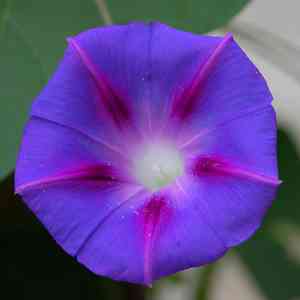
A climbing perennial featuring arrowhead-shaped foliage, texas bindweed flourishes in brightly lit areas. Essential trimming methods include severing excessively long or lifeless stalks to manage expansion and well-being. The most suitable periods for pruning extend from spring to autumn, preserving vitality without disrupting the plant's inherent rhythm. Trimming guarantees light exposure and diminishes the likelihood of illness. It is advisable to prune gradually to prevent imposing strain on texas bindweed.
Advantages of Trimming Texas Bindweed
Advantages of Trimming Texas Bindweed
Trimming texas bindweed encourages robust development and maintains its desired form. It ensures energy is directed towards strong new shoots, improving the plant's overall health and visual appeal.
Optimal Time for Pruning Texas Bindweed
Optimal Time for Pruning Texas Bindweed
Pruning in Spring allows texas bindweed to recover quickly with the burst of growth that accompanies warmer weather, ensuring minimal stress to the plant. Early Summer pruning is effective as it tidies up any spent blooms from its initial flowering and may promote a second bloom period. Fall pruning is beneficial for removing dead or diseased growth before the plant enters dormancy, reducing the overwintering of pests and diseases.
Tools Required for Pruning Texas Bindweed
Hand pruners
Suitable for cutting through the small stems of texas bindweed, which tend to be slender and pliable. Hand pruners offer precision and control, essential for selectively removing parts of the plant without harming the rest.
Pruning shears
Texas bindweed might intertwine with other plants, making a pair of sharp pruning shears ideal for snipping away the plant from others without causing damage to nearby vegetation.
Gloves
Although not a cutting tool, gloves are crucial for handling texas bindweed, to protect the gardener's hands from scratches and potential irritation during pruning.
Pruning saw
For older, woodier stems of texas bindweed that have developed over time, a pruning saw may be necessary to cleanly cut through the tougher material without causing harm to the plant or the gardener.
How to Prune Texas Bindweed
Identify
Carefully examine texas bindweed for withered or dead leaves to determine which parts require trimming.
Sanitize
Clean and disinfect your cutting tools to prevent the spread of disease during the pruning of texas bindweed.
Cut
Using sharp scissors or pruning shears, make clean cuts to remove the withered leaves from texas bindweed, ensuring not to damage healthy parts.
Dispose
Collect and discard the withered leaves to prevent any pests or diseases from affecting texas bindweed in the future.
Monitor
Regularly observe texas bindweed after pruning to ensure the plant remains healthy and to identify any further need for upkeep.
Common Pruning Errors with Texas Bindweed
Over-pruning
Removing too much growth at once can weaken texas bindweed and limit its ability to photosynthesize effectively.
Improper cutting technique
Making cuts that are not clean or on an angle can damage texas bindweed's stems, leading to disease and pest infestations.
Neglecting tool hygiene
Using dirty pruning tools can introduce pathogens to the cut areas, increasing the risk of infection for texas bindweed.
Ignoring growth patterns
Pruning without understanding texas bindweed's natural growth habit can result in unwanted shapes and reduced vigor.
Indiscriminate pruning
Cutting without a clear purpose may remove healthy or flowering parts of texas bindweed, leading to reduced display and growth.
General Pruning Advice for Texas Bindweed
Clean cuts
Use sharp, clean pruning tools to make precise cuts, which will help texas bindweed heal faster and minimize stress.
Targeted removal
Focus on removing dead, diseased, or entangled stems to improve air circulation and reduce the chance of disease for texas bindweed.
Maintenance pruning
Regularly trim texas bindweed to maintain its desired shape and prevent it from becoming invasive or overgrown.
Growing habit understanding
Recognize texas bindweed's twining and climbing habit to support controlled growth and avoid damaging the plant structure.
Post-pruning care
After pruning, ensure texas bindweed receives adequate water and nutrients to support recovery and encourage robust new growth.



