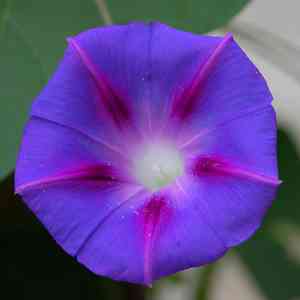
Texas bindweed (Convolvulus equitans)
Also known as: Desert Bindweed, Arizona Bindweed
Texas bindweed (Convolvulus equitans) is a slender, branched vine that belongs to the morning glory family. It thrives in prairies and disturbed areas across Texas, Oklahoma, Kansas, Colorado, Arizona, and northern Mexico. This plant prefers dry soil, low water conditions, and partial shade for ideal growth.
In This Article
Attributes of Texas bindweed
Lifespan
Annual, Perennial
Plant Type
Herb, Vine
Plant Height
30 cm to 4.5 m
Spread
8 cm to 13 cm
Leaf Color
Green
Flower Size
2.5 cm
Flower Color
White Pink Red
Images of Texas bindweed
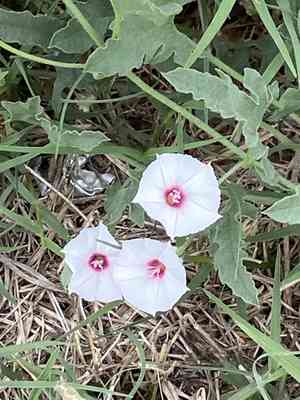
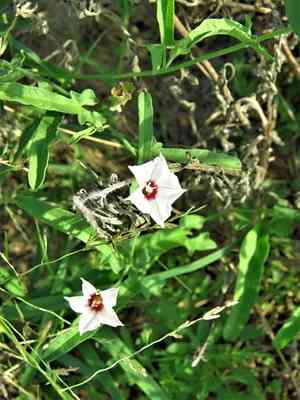
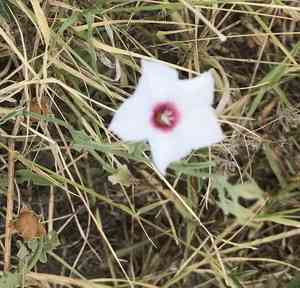
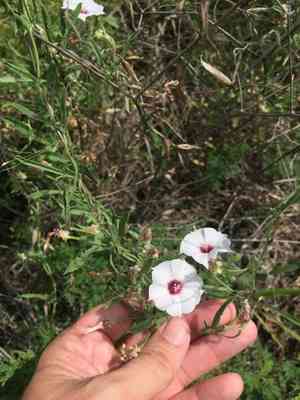
Quickly Identify Texas bindweed
1
Convolvulus equitans can be identified by its twining or trailing stems, triangular or heart-shaped leaves, and funnel-shaped flowers which are typically white or pink.
Scientific Classification of Texas bindweed
Phylum
Vascular plants
Class
Dicotyledons
Order
Solanales
Family
Morning-glory
Genus
Bindweed
Species
Texas bindweed
Planting and Growing of Texas bindweed
Care Difficulty
Easy
Watering Schedule
Every 2 days
Sunlight Requirements
Full sun
Sunshine Duration
4-6 hours
Ideal Temperature
70-85℉
Soil Type
Potting Mix, Peat Mix
Soil pH
6.5-7.5
Fertilizer Type
Balanced
Pruning Season
Spring, Summer
Pruning Area
Branches, Leaves
Pruning Frequency
Once a year
Repotting Season
Spring
Pot Type
Plastic, Ceramic
 How to Water Texas bindweed?
Convolvulus equitans thrives with a moderate watering schedule, ensuring the soil is moist but never waterlogged. Aim for about 250 milliliters of water per session, saturating the soil evenly until water starts to seep from the drainage holes.
What are the symptoms of an underwatered Texas bindweed?
›
What should I do if my Texas bindweed is not getting enough water?
›
What are the symptoms of an overwatered Texas bindweed?
›
How to save an overwatered Texas bindweed?
›
 What Are the Sunlight Requirements for Texas bindweed?
Convolvulus equitans thrives best in full sun to partial sun. This exposure allows optimal photosynthetic activity and encourages prolific flowering, resulting in a healthy and vigorous plant.
More About Sunlight Requirements Techniques→
Optimal Sunlight Exposure
›
Sunlight Source Solutions
›
Benefits of Proper Light Exposure
›
 What Is the Ideal Temperature Range for Texas bindweed?
The ideal temperature range for growing Convolvulus equitans is between 70°F and 85°F. Maintaining temperatures within this range allows the plant to thrive, promoting healthy growth and flowering. This temperature range ensures optimal photosynthesis and nutrient absorption, contributing to the plant's overall health and vigor.
 What Soil is Best for Texas bindweed?
Convolvulus equitans thrives in well-draining soils, as this prevents root rot and soil-borne diseases. Good drainage aids in maintaining a healthy root system, ensuring that the plant can access nutrients effectively and promotes robust growth. This plant has relatively low nutrient demands. It is adapted to thrive in poorer soils characteristic of its native environment, making it low maintenance for gardeners. This trait allows it to coexist with other native vegetation without the need for additional fertilizers. While Convolvulus equitans can tolerate a range of pH levels, it has a preference for slightly alkaline soil conditions. This environment facilitates nutrient absorption that suits its adaptive processes, leading to better flowering and overall vigor.
 How to Fertilize Texas bindweed?
For Convolvulus equitans, it is important to ensure balanced nutrition. Use a diluted liquid fertilizer solution, mixing at a ratio of 1:4 (fertilizer to water). This plant prefers a lighter feeding schedule, as excess can lead to build-up and damage.
 How to Prune Texas bindweed?
Start by carefully examining your Convolvulus equitans for any dead, damaged, or diseased stems. Use clean, sharp pruning shears to cut these back to healthy growth, which will help prevent any infections from spreading and promote new growth. Prune the plant to maintain its desired shape and size. Trim back overgrown stems by making clean cuts just above a strong bud to encourage bushiness. Remember to stand back and assess the shape periodically to ensure balanced growth. To make your plant fuller and bushier, pinch back the tips of young stems. This practice encourages the plant to send out multiple lateral branches, providing a denser appearance.
More About Pruning Techniques→
 How to Propagate Texas bindweed plant?
1
Soak Convolvulus equitans seeds in warm water overnight to soften the seed coat. This practice helps to break dormancy and increase germination rates. Ensure seeds are selected for viability and are free from any visible defects.
2
Select healthy, disease-free plants to collect cuttings. Take cuttings early in the day to ensure they retain moisture. Choose a stem that is mature but not too woody, about 4-6 inches long, ensuring it has at least two leaf nodes.
3
Plant seeds or cuttings in a well-draining potting mix. Cover cuttings with a plastic dome or a clear plastic bag to maintain humidity. Place in a warm, bright location but out of direct sunlight to prevent drying out and encourage growth.
 How to Repot Texas bindweed plant?
1
Look for signs like slowed growth, roots emerging from drainage holes, or soil compacting. These indicate it's time to repot Convolvulus equitans. The plant usually benefits from repotting every two to three years to refresh its growing environment.
2
Select a pot that is slightly larger than the current one, ideally with a diameter 2 inches wider. Ensure it has sufficient drainage holes to prevent waterlogging, which could cause root rot. The extra space encourages spreading roots and better growth.
3
Opt for a well-draining sandy mix, as Convolvulus equitans thrives in such environments. The proper soil prevents water accumulation around roots and supports the plant’s preference for dry, airy conditions. This soil also mimics its natural habitat.
Learn More About Texas bindweed Diseases
Anthracnose
Bacterial Leaf Spot
Bacterial Wilt
Crown Gall
Cyst Nematode
Damping-off
Downy Mildew
Drought Stress
Fusarium Wilt
Gray Mold
Leaf Spot
Mosaic
Nutrient Deficiency
Nutrient Toxicity
Powdery Mildew
Root Rot
Root-knot Nematode
Rusts
Sooty Mold
Spider Mites
Temperature Stress
Thrips Damage
White Mold



