How to Transplant Green snakewood?
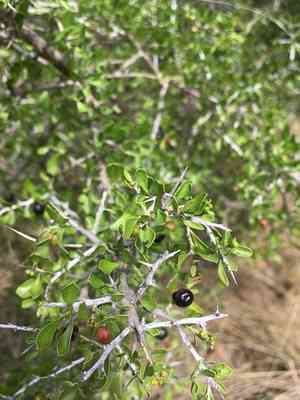
Green snakewood flourishes when relocated in mid-spring, taking advantage of mild weather and extended daylight hours. For optimal establishment, select a bright, adequately drained spot. Exercise caution with the root ball to reduce shock.
Essential Preparations Before Relocating Green Snakewood?
Optimal Period for Moving Green Snakewood?
Green snakewood, a perennial, thrives when moved from early to late spring. This timeframe provides ideal soil moisture and temperatures, fostering strong root development. Relocating during this season allows green snakewood to benefit from subsequent growing conditions, promoting healthier growth and minimizing transplant shock.
Recommended Spacing Between Green Snakewood Plants?
Green snakewoods require 6-10 feet (1.8-3 meters) of space between them to ensure ample room for growth without resource competition. This spacing facilitates proper air circulation and light exposure.
Ideal Soil Blend for Green Snakewood Relocation?
For green snakewood, utilize well-draining sandy or loamy soil. Enhance the base with organic compost to enrich the soil. A balanced, all-purpose fertilizer is a good starting point to supply vital nutrients for healthy development.
Optimal New Location for Your Green Snakewood?
Green snakewood prefers a sunny spot with full sun exposure for at least 6-8 hours daily. Placing them in a location with sufficient sunlight ensures they flourish and reach their full potential.
Equipment Needed Before Relocating Green Snakewood?
Gardening Gloves
To safeguard your hands while handling soil and the plant.
Shovel or Spade
For excavating the plant and preparing the new planting site.
Trowel
For precise digging and planting tasks.
Pruning Shears
To trim any damaged or overgrown roots or branches.
Garden Hose or Watering Can
To hydrate the plant before and after relocation.
Wheelbarrow
To transport the plant if moving it a considerable distance.
Mulch
To retain moisture and regulate soil temperature around the newly planted specimen.
How to Extract Green Snakewood from the Ground?
How to Extract Green Snakewood from the Ground?
From Ground: First, water the green snakewood plant to moisten the soil. Next, dig a wide trench around the plant using a shovel or spade, ensuring the plant's root ball remains intact. Carefully work the spade beneath the root ball to lift the plant from its original spot.From Pot: Water the green snakewood plant to make the soil easier to manage. Gently tilt the pot on its side and tap the edges to loosen the soil. Carefully slide the plant out, supporting the root ball to keep it whole.From Seedling Tray: Water the seedlings to soften the soil. Use a trowel or your fingers to carefully scoop out each green snakewood, taking care not to harm the delicate roots. Handle each seedling by its leaves rather than the stems to prevent crushing.
Step-by-Step Guide for Relocating Green Snakewood
Preparation
Gather all necessary tools and equipment before beginning. Also, prepare a new planting location according to green snakewood's sunlight, soil, and space requirements.
Soil Improvement
Amend the soil at the new planting site as needed to ensure it contains the essential nutrients for green snakewood.
Digging the Hole
Excavate a hole in the new location that is twice as wide and the same depth as the green snakewood plant's root ball.
Plant Positioning
Place the green snakewood plant in the center of the hole, ensuring it sits at the same depth as it did in its original spot. Gently spread out the roots.
Backfilling
Fill the hole halfway with soil, water thoroughly to settle the soil around the roots, then fill the hole completely and water again.
Mulching
Apply a layer of mulch around the base of green snakewood to help retain moisture and regulate soil temperature.
Post-Transplant Care for Green Snakewood
Watering
Keep the soil around the green snakewood consistently moist, but not waterlogged, for the initial weeks after transplanting to aid in strong root establishment.
Monitoring
Regularly inspect the plant for signs of stress such as wilting or yellowing leaves and address these issues promptly.
Weeding
Keep the area around green snakewood clear of weeds that can compete for water and nutrients.
Mulch Maintenance
Periodically check and replenish mulch to maintain its effectiveness.
Resolving Common Issues with Green Snakewood Relocation.
When is the best time to move green snakewood?
Relocating green snakewood is best done in early to late spring for optimal growth.
How much space should I leave between green snakewood plants?
Space the green snakewood plants 6 to 10 feet (1.8 to 3 meters) apart for ideal growth.
What type of soil is best for green snakewood?
Well-draining, sandy-loam soil is ideal for transplanting green snakewood.
How deep should I plant green snakewood during transplanting?
Plant green snakewood at the same depth it was originally growing to avoid stress.
How much water does green snakewood need after transplanting?
Water green snakewood thoroughly, ensuring the soil remains moist but not waterlogged for the first few weeks.
What should I do if green snakewood shows signs of transplant shock?
Provide shade, maintain consistent moisture, and avoid fertilizing immediately to help green snakewood recover.
How can I protect green snakewood from pests after transplanting?
Inspect regularly for pests, use neem oil or insecticidal soap if needed for green snakewood.
How do I ensure green snakewood roots establish well in the new location?
Use mulch around green snakewood to retain moisture and prevent weeds, aiding root establishment.
Can green snakewood be transplanted in hot weather?
Avoid transplanting green snakewood in hot weather; spring temperatures provide a better environment for rooting.
Should I prune green snakewood during transplanting for better growth?
Lightly prune any damaged roots or stems of green snakewood but avoid heavy pruning during transplanting.



