How to Prune Green snakewood?
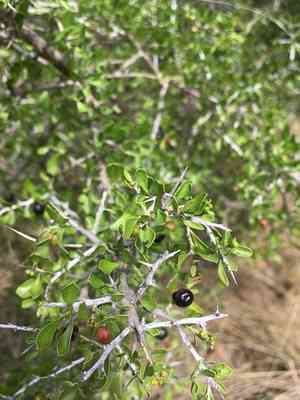
Green snakewood, recognized for its robust character and thick leaves, thrives with early spring trimming to sculpt and manage its development. Remove diseased, injured, or intersecting limbs to enhance air circulation and light exposure. Preserve its inherent shape by pruning judiciously, refraining from severe cuts that could harm the plant. Pruning at this period encourages strong new shoots and assists in regulating its dimensions. Verify that implements are sanitized and keen to avert illness. Adhering to these guidelines contributes to sustaining a flourishing, visually appealing landscape specimen.
Advantages of Trimming Green Snakewood
Advantages of Trimming Green Snakewood
Trimming green snakewood stimulates robust development, preserves its form, and boosts overall plant vitality. It aids in size management, promotes denser foliage, and can deter pest and disease infestations, ensuring the plant stays strong and appealing.
Optimal Period for Pruning Green Snakewood
Optimal Period for Pruning Green Snakewood
Pruning green snakewood in early spring is considered ideal as it aligns with the plant's growth cycle. This timing allows for rapid healing and encourages vigorous new growth. Early spring pruning enhances air circulation and light penetration, lowering disease risk. Furthermore, flowers and fruits will not be negatively impacted since pruning occurs before their development.
Necessary Tools for Pruning Green Snakewood
Hand Pruners
Hand pruners are perfect for making precise cuts on smaller branches up to 3/4 inches in diameter. They offer accuracy, which is crucial for maintaining the shape and health of green snakewood.
Loppers
For thicker branches, loppers provide the leverage needed for clean cuts without harming the plant. They can manage branches up to 2 inches in diameter, useful for green snakewood's sometimes dense growth habit.
Pruning Saw
A pruning saw is essential for cutting larger branches that hand pruners and loppers cannot handle. This tool is necessary for managing the bigger structural branches of green snakewood.
Pole Pruner
For elevated branches out of reach, a pole pruner extends your reach without requiring ladders, ensuring safe and efficient pruning of green snakewood.
How to Prune Green Snakewood
Assessment
Thoroughly examine green snakewood to identify diseased leaves, withered leaves, dead branches, and infected branches.
Sanitize Tools
Sterilize pruning shears or loppers with a 10% bleach solution to prevent disease transmission.
Remove Diseased Leaves
Carefully snip off any diseased leaves, ensuring cuts are made close to the main stem without causing damage.
Remove Withered Leaves
Cut away withered leaves, preserving the overall form of green snakewood while avoiding excessive removal.
Cut Dead or Diseased Branches
Prune dead or diseased branches back to healthy wood, making clean cuts just above a leaf node or lateral branch to stimulate new growth.
Common Pruning Errors with Green Snakewood
Excessive Pruning
Removing too many branches at once can stress green snakewood, impeding its growth and overall vitality.
Incorrect Cuts
Making improper cuts, such as tearing or ripping branches, can cause damage and create entry points for pests and diseases.
Inappropriate Tools
Using dull or unsuitable tools can result in uneven cuts and harm the plant.
Ignoring Plant Structure
Failing to consider the natural shape and growth pattern of green snakewood can lead to an unattractive appearance and poor air circulation.
Delayed Pruning
Pruning too late in the growing season can hinder recovery and reduce the plant's resilience to environmental stress.
General Pruning Advice for Green Snakewood
Utilize Sharp Tools
Always use sharp, clean pruning shears to make precise cuts and minimize the risk of infection.
Make Clean Cuts
Cut just above a bud or branch node to encourage healthy growth and avoid leaving stubs.
Target Dead and Diseased Wood
Prioritize removing dead or diseased branches first to enhance overall plant health and prevent the spread of pathogens.
Maintain Natural Shape
Preserve the natural structure of green snakewood by selectively pruning to enhance its form and ensure proper air circulation.
Thin Selectively
Remove some interior branches to allow better light penetration and reduce the risk of fungal diseases, without over-thinning.



