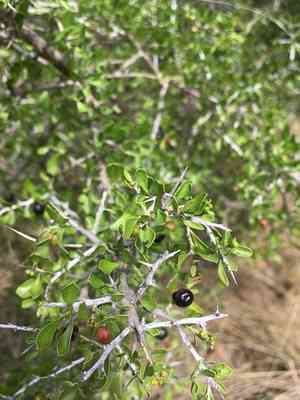
Green snakewood (Condalia viridis)
Also known as: Green Condalia, Brazilian Bluewood
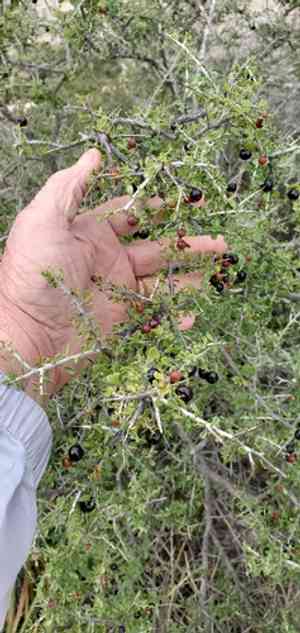
Green snakewood is a tough shrub well-suited to arid environments. It features small, oval green leaves that excel in water conservation. The plant's resilience is further demonstrated by its greenish flowers and blue-black berries, which support local fauna. Additionally, its thorny stems offer protection from herbivores, enhancing its ability to thrive in harsh conditions.
In This Article
Attributes of Green snakewood
Lifespan
Perennial
Plant Type
Shrub
Plant Height
1 to 3 meters
Spread
1 to 2 meters
Leaf Color
Green
Flower Size
Less than 1 cm
Flower Color
Greenish
Images of Green snakewood
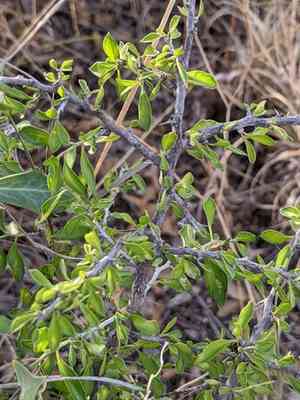
Quickly Identify Green snakewood
1
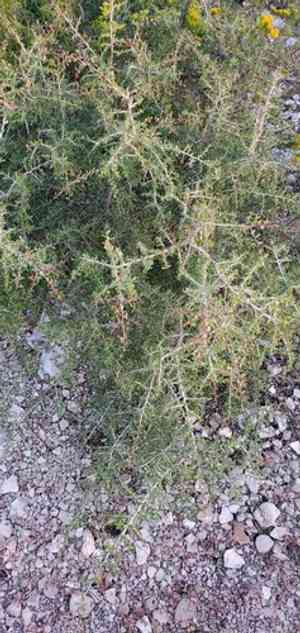
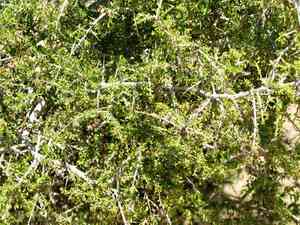
Condalia viridis can be identified by its small, green leaves and thorns. The plant usually has multiple trunks and produces small, greenish flowers that are followed by tiny, fleshy fruits.
Scientific Classification of Green snakewood
Phylum
Vascular plants
Class
Dicotyledons
Order
Rosales
Family
Buckthorn
Genus
Bluewoods
Species
Green snakewood
Planting and Growing of Green snakewood
Care Difficulty
Moderate
Watering Schedule
Every 2 days
Sunlight Requirements
Full sun
Sunshine Duration
4-8 hours
Ideal Temperature
68-86℉
Soil Type
Potting Mix, Peat Mix
Soil pH
6.5-7.5
Fertilizer Type
Balanced
Pruning Season
Spring, Summer
Pruning Area
Branches, Leaves
Pruning Frequency
2 times a year
Repotting Season
Spring
Pot Type
Plastic, Ceramic
 How to Water Green snakewood?
Condalia viridis thrives in conditions where the soil is well-drained and not too moist. It’s crucial to provide about 500 milliliters of water per session, ensuring the soil is damp but not waterlogged. Over-watering can lead to root rot, so always check if the top inch of the soil is dry before watering again.
What are the symptoms of an underwatered Green snakewood?
›
What should I do if my Green snakewood is not getting enough water?
›
What are the symptoms of an overwatered Green snakewood?
›
How to save an overwatered Green snakewood?
›
 What Are the Sunlight Requirements for Green snakewood?
Condalia viridis thrives under full to partial sun conditions, ideally with 6 to 8 hours of sunlight. This range keeps the plant healthy, facilitates photosynthesis, and supports strong structural development.
What are the ideal lighting conditions?
›
How can you achieve ideal sunlight for Condalia viridis?
›
What benefits does ideal sunlight provide?
›
 What Is the Ideal Temperature Range for Green snakewood?
The optimal temperature range for Condalia viridis is between 68°F and 86°F. These temperatures support its physiological processes, ensuring robust growth and healthy development. Maintaining this range is crucial for optimizing photosynthesis, water use efficiency, and nutrient uptake. Continuous exposure to temperatures within this range facilitates better flowering and fruiting.
 What Soil is Best for Green snakewood?
Condalia viridis thrives best when grown in well-drained soil, which allows excess water to flow away easily, preventing root rot and ensuring a robust root system. The plant prefers moderately fertile soil that provides essential nutrients without excessive richness, promoting healthy growth without risking nutrient burn. Condalia viridis can tolerate slightly alkaline conditions, which helps in preventing certain nutrient deficiencies and promotes optimal absorption of minerals.
 How to Fertilize Green snakewood?
When fertilizing Condalia viridis, aim for a balanced approach. Typically, about 1/2 of a teaspoon of liquid fertilizer per gallon of water is sufficient. For slow-release granules, a light covering around the base, equivalent to a tablespoon, will feed the plant without overpowering it.
 How to Prune Green snakewood?
Begin by examining the plant closely and identify any dead, damaged, or diseased branches. Use clean pruning shears to remove these branches at their base or back to healthy tissue to encourage better air circulation and prevent pest infestations. Condalia viridis can be shaped by selectively trimming to maintain its natural form or to encourage a bushier growth. Focus on cutting back overly long branches to a node or bud on the branch that faces outward, which promotes a more desirable shape. Thin out the crown by carefully removing overlapping branches and ensuring sunlight reaches the inner canopy. This helps in preventing shadowed areas that could lead to fungal growth, keeping the plant vibrant and healthy.
More About Pruning Techniques→
 How to Propagate Green snakewood plant?
1
Collect fresh seeds from a mature Condalia viridis plant. Clean and dry the seeds thoroughly before sowing them in a well-draining potting mix. Ensure seeds are well-spaced on the mix surface.
2
Choose a healthy stem during early summer and cut a section about 10-15 cm long. Remove the lower leaves and dip the cutting end in rooting hormone.
3
To graft Condalia viridis, choose a hardy rootstock and a healthy scion. Make clean cuts on both sections and secure them together tightly with grafting tape, ensuring cambium layers are aligned.
 How to Repot Green snakewood plant?
1
For Condalia viridis, look for signs like roots protruding from drainage holes or slowed growth as signals it's time to repot. Ideally, repot during active growth phases in spring or summer to minimize stress.
2
Select a pot with one size larger diameter than the current one. Ensure it has adequate drainage holes to prevent waterlogging, which promotes root health and keeps the plant's growth robust.
3
Opt for a sandy, well-draining soil mix. This type of soil ensures proper aeration and moisture control, reducing the risk of root rot and allowing Condalia viridis to thrive in its new pot.
Learn More About Green snakewood Diseases
Anthracnose
Bacterial Leaf Spot
Bacterial Soft Rot
Crown Gall
Cyst Nematode
Damping-off
Downy Mildew
Drought Stress
Fusarium Wilt
Gray Mold
Leaf Spot
Mosaic
Nutrient Deficiency
Nutrient Toxicity
Powdery Mildew
Root Rot
Root-knot Nematode
Rusts
Sooty Mold
Spider Mites
Temperature Stress
Thrips Damage
White Mold
Chemical Injury



