How to Propagate Green snakewood?
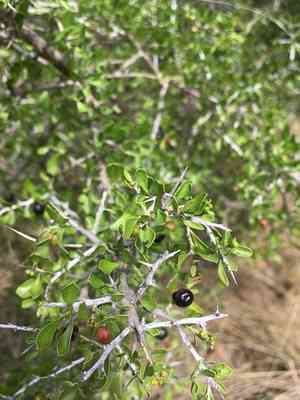
For multiplying green snakewood, employing cuttings proves very efficient. Choose vigorous stems, preferably semi-lignified, making sure each segment possesses several nodes. Applying a rooting stimulant is advantageous for fostering root formation. Insert the cuttings into a potting blend that drains effectively, keeping it damp without overwatering. Guarantee sufficient atmospheric moisture, perhaps by enclosing them with a transparent cover or frequently spraying. This technique will facilitate successful root establishment and strong new specimens.
Optimal Time for Green Snakewood Propagation
Propagation Method
Cutting
Propagation Period
Spring,Summer
Tools Required for Green Snakewood Propagation
Pruning Shears
Pruning shears are vital for making clean, precise cuts from the green snakewood plant. Sharp blades minimize tissue damage, promoting faster healing and reducing disease risk.
Rooting Hormone
Rooting hormone aids in boosting root development in green snakewood cuttings. It encourages quicker, stronger root growth, increasing propagation success rates.
Propagation Tray with Humidity Dome
A propagation tray with a humidity dome helps maintain a stable environment for green snakewood cuttings. High humidity is essential to prevent drying out during rooting.
Sterile Potting Mix
A well-draining, sterile potting mix is crucial for providing an ideal growing medium for green snakewood cuttings. It lowers the risk of fungal and soil-borne diseases.
Spray Bottle
A spray bottle is useful for misting green snakewood cuttings to maintain moisture without overwatering. Gentle misting keeps cuttings hydrated while preventing soil saturation.
Heating Mat
A heating mat beneath the propagation tray can help maintain a consistent temperature, which benefits green snakewood root development. Warmth encourages faster, more robust root formation.
Plant Labels
Plant labels are important for tracking various cuttings and ensuring each green snakewood cutting is easily identifiable during propagation. Proper labeling prevents mix-ups and aids progress monitoring.
How to Propagate Green Snakewood?
Propagation Difficulty
Moderately Difficult
Caring for Your Newly Propagated Green Snakewood
Caring for Your Newly Propagated Green Snakewood
Once the cutting has rooted and acclimated, transfer it to well-draining soil in the garden or a larger pot. Water moderately, keeping the soil slightly moist but not waterlogged. Provide full sunlight for optimal growth, and protect from frost. Regularly check for pests and diseases, and prune to maintain shape and encourage healthy growth. Green snakewood thrives in well-drained, sandy or loamy soils and tolerates drought conditions once established.
Common Mistakes to Avoid When Propagating Green Snakewood
Overwatering
Excessive watering can lead to root rot and fungal infections, severely compromising the health and growth potential of green snakewood.
Using improper soil
Using soil with poor drainage can hinder root development and cause waterlogged conditions, which are harmful to green snakewood.
Incorrect light exposure
Too much direct sunlight or insufficient light can stress the plant, leading to poor growth or even death of green snakewood.
Pest neglect
Failing to monitor for pests can result in infestations that damage the plant and reduce the success rate of propagation.
Tips For Propagating Green Snakewood
Well-draining soil
Utilize a sandy or loamy soil mix to ensure proper drainage and prevent waterlogging, which is vital for green snakewood health.
Moderate watering
Maintain balanced moisture without saturating the soil. Allow the topsoil to dry between waterings to prevent root rot.
Appropriate light
Provide bright, indirect light to green snakewood, avoiding prolonged direct sunlight exposure to prevent leaf burn.
Monitoring for pests
Regularly inspect the plant for signs of pests like aphids or spider mites and treat promptly with organic or chemical pesticides as needed.



