How to Transplant Brown kurrajong?
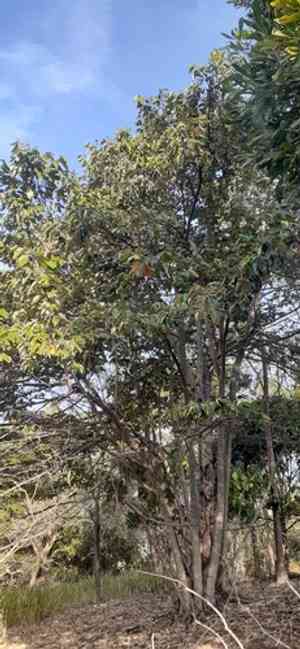
For brown kurrajong, the ideal period for relocation is from the latter part of spring through the middle of summer. This schedule allows the plant to establish itself prior to the peak warmth. Select a site with good drainage and partial shade to foster vigorous development.
Essential Preparations Before Relocating Brown Kurrajong?
Optimal Period for Brown Kurrajong Relocation?
For brown kurrajong, the prime time for moving is from late spring to early summer. This timeframe offers an ideal balance of mild temperatures and warm soil, promoting root establishment without the intense heat of midsummer. Transplanting during this season allows brown kurrajong a longer growth period to strengthen before winter.
Recommended Spacing Between Brown Kurrajong Plants?
When relocating your brown kurrajong, ensure ample room for development by maintaining a distance of 4-6 feet (1.2-1.8 meters) between plants. This spacing prevents competition for resources, especially beneficial for gardening novices.
Best Soil Blend for Brown Kurrajong Transplanting?
Your brown kurrajong requires well-draining, compost-rich soil with a neutral pH. Prior to planting, enrich the ground with a balanced base fertilizer to encourage initial growth. This helps keep your brown kurrajong robust and healthy.
Ideal Location for Your Brown Kurrajong?
Select a garden spot that receives a healthy mix of sun and shade. Your brown kurrajong thrives in sunlight but also benefits from some protection from the harsh midday sun. This advice should assist beginners in choosing the correct planting site.
Tools Required Before Transplanting Brown Kurrajong?
Gardening Gloves
To safeguard your hands while handling the plant and prevent skin irritation.
Shovel or Spade
To carefully extract the brown kurrajong plant from its original spot without harming its roots.
Garden Fork
To loosen the soil at the new planting site.
Watering Can
To moisten the plant's root ball and the fresh soil.
Wheelbarrow
To move the brown kurrajong plant from one location to another without stressing its roots.
Organic Mulch
To retain soil moisture and stabilize soil temperature post-transplant.
How to Extract Brown Kurrajong from the Soil?
How to Extract Brown Kurrajong from the Soil?
From Ground: Begin by watering the brown kurrajong plant to facilitate its removal. Using your spade, dig a circle at least 12 inches from the plant's base to encompass as much of the root ball as possible. Ensure you dig deep enough to get beneath the root ball. Angle the spade to work it under the roots. Once loose, gently lift the plant from the soil with your hands.From Pot: Water the brown kurrajong plant thoroughly before starting. Tilt the pot sideways, hold the soil with one hand, and pull the pot off with the other. Avoid tugging on stems or foliage to prevent plant injury.From Seedling Tray: Ensure brown kurrajong seedlings are well-watered before transplanting. For each seedling, push from the bottom of the tray cell and carefully pull the seedling out by its leaves. Never pull by the stem, as this can cause damage.
Step-by-Step Guide for Relocating Brown Kurrajong
Prepare New Site
Prepare the new planting location by digging a hole approximately twice the width and depth of the brown kurrajong's root ball using your spade. Loosen the sides of the planting hole with the garden fork.
Position Plant
Place the brown kurrajong plant in the center of the hole. The top of the root ball should be level with or slightly above the ground surface.
Backfill
Refill the planting hole with the excavated soil. Avoid compacting the soil tightly around the plant, as this can restrict root growth and suffocate them.
Watering
After the brown kurrajong plant is positioned, water it deeply to settle the roots and help the surrounding soil consolidate.
Mulching
Apply a 2-inch layer of organic mulch around the plant, ensuring it does not touch the plant stems.
Post-Transplant Care for Brown Kurrajong?
Protection
During the initial weeks after transplanting, provide brown kurrajong with extra protection from wind, frost, and intense sunlight. A shade net or protective ring can be beneficial.
Watering
Maintaining proper soil moisture is vital after transplanting. Water the brown kurrajong as soon as its soil surface feels dry to the touch.
Pruning
After transplanting, lightly prune brown kurrajong if it appears stressed. This reduces the leaf area the roots need to supply with water.
Pest Control
Monitor brown kurrajong for pests, fungi, and diseases. Newly transplanted plants are more vulnerable to such issues. If any signs appear, treat immediately with the appropriate solution.
Observation
Keep an eye on brown kurrajong's growth. If it's not thriving, growing, or looking healthy after a month, consider seeking professional advice. Sometimes plants simply need time to adapt to their new environment.
Resolving Common Brown Kurrajong Transplantation Issues.
When is the optimal time of year to transplant brown kurrajong?
The best time to transplant brown kurrajong is between the third and fifth seasons of the year.
What is the recommended spacing for planting brown kurrajong?
The ideal spacing for brown kurrajong is approximately 4-6 feet (1.2-1.8 meters). This allows for proper air circulation and growth.
Does brown kurrajong require a specific soil type for healthy transplanting?
Brown kurrajong is not particularly particular about soil type. However, it will flourish best in well-draining soil enriched with organic matter.
How deep should the hole be when transplanting brown kurrajong?
The hole should be about twice as wide and the same depth as the brown kurrajong's root ball. This aids in easier root expansion.
Is it necessary to water brown kurrajong immediately after transplanting?
Absolutely. Water brown kurrajong immediately after transplanting to settle the surrounding soil and eliminate any air pockets created during the process.
Should I prune brown kurrajong after transplanting?
Yes, it's advisable to lightly prune brown kurrajong after transplanting to reduce stress and encourage new growth. Avoid heavy pruning, however.
What if my brown kurrajong wilts after transplanting?
Wilting after transplanting may indicate shock. Keep the soil moist, maintain a consistent temperature, and the plant should recover naturally.
How can I minimize transplant shock in brown kurrajong?
Limit pruning to only damaged or diseased parts. Provide ample water and apply a layer of mulch around the base to protect the roots from temperature fluctuations.
What if brown kurrajong leaves turn yellow after transplanting?
Yellowing leaves might suggest overwatering, nutrient deficiency, or transplant shock. Adjust watering and add a slow-release fertilizer to the planting hole to help alleviate these issues.
Should I stake brown kurrajong after transplanting to aid establishment?
Staking brown kurrajong is usually unnecessary unless it's in a particularly windy area. If you do stake, ensure you don't damage the roots and remove the support once the tree is established.



