How to Prune Brown kurrajong?
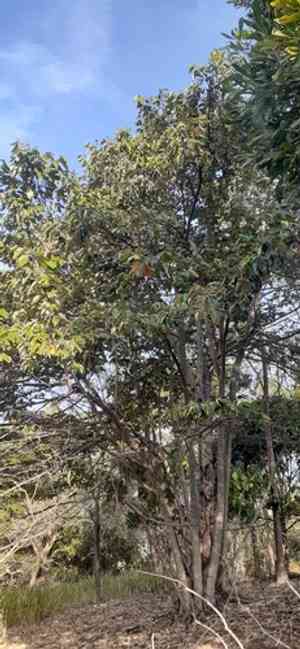
This rapidly developing bush or compact tree, recognized by its cordate foliage and groupings of tiny, stellate blossoms, flourishes with proper trimming. Essential methods involve excising lifeless or ailing limbs, sculpting for form, and fostering revitalization. The most effective time for pruning brown kurrajong is during the winter, once the blooming period concludes. This schedule prevents interference with spring development and averts sap exudation, which could draw insects. Pruning boosts the plant's well-being, vitality, and visual appeal, guaranteeing a strong presentation in subsequent periods.
What Are the Benefits of Pruning Brown Kurrajong?
What Are the Benefits of Pruning Brown Kurrajong?
Trimming brown kurrajong promotes robust development and helps maintain its form. By carefully cutting back overgrown limbs, gardeners foster healthy growth and can guide the plant's shape for visual appeal and structural soundness.
What Is the Best Time for Pruning Brown Kurrajong?
What Is the Best Time for Pruning Brown Kurrajong?
Trimming brown kurrajong in late winter to early spring allows the plant to recover from cuts without the immediate stress of extreme temperatures. This timing also takes advantage of the period just before brown kurrajong enters its rapid growth phase, thereby minimizing disruption to development and allowing the plant to direct energy towards healing and producing new foliage. Removing dead or diseased branches during this dormant period is advantageous, as it reduces the likelihood of spreading pathogens that thrive in warmer, damper conditions. Pruning before flowering ensures that the plant's energy is directed to the production of healthy new growth rather than sustaining potentially unproductive or damaged limbs, leading to a healthier and more aesthetically pleasing plant in the growing season.
What Tools Do I Need to Prune Brown Kurrajong?
Hand Pruners
Perfect for making clean cuts on small branches and twigs of brown kurrajong, enabling selective shaping and removal of dead or diseased wood without causing unnecessary harm to the plant.
Lopping Shears
Useful for cutting through thicker branches that hand pruners cannot manage, providing leverage and extended reach which is helpful given brown kurrajong's potential to grow into a large shrub or small tree.
Pruning Saw
Essential for removing any branches over 5 cm in diameter. A pruning saw makes it possible to cut larger wood cleanly, which is crucial for the health of brown kurrajong's thicker growth.
How to Prune Brown Kurrajong
Clean tools
Before starting, clean and sterilize pruning tools to prevent the spread of disease to brown kurrajong. Use a solution of one-part bleach to nine parts water or rubbing alcohol to sanitize the blades.
Identify
Examine brown kurrajong closely to identify dead or diseased branches. Dead branches typically lack green underneath the bark and can be confirmed by scraping a small area. Diseased branches may show signs of discoloration, abnormal growth patterns, or decay.
Cut diseased branches
Carefully prune diseased branches from brown kurrajong first, cutting well into healthy wood to ensure the complete removal of any infected parts. Make the cuts at a 45-degree angle to promote water runoff and prevent disease re-entry.
Cut dead branches
Remove dead branches from brown kurrajong by cutting them at the point where they meet healthy tissue. Do not leave stubs, as these can decay and invite pests or disease. Make clean cuts that are flush with the main stem or branch.
Disposal
After pruning brown kurrajong, dispose of the dead or diseased branches properly to prevent the spread of pathogens. Do not compost diseased branches; instead, burn them if possible or dispose of them with household waste.
Common Pruning Mistakes with Brown Kurrajong
Over-pruning
Removing too much foliage from brown kurrajong at once can stress the plant and inhibit growth. It's crucial to prune no more than one-third of the overall plant to maintain its health and vigor.
Improper cut locations
Cutting branches too close to the trunk can damage brown kurrajong, while leaving too long a stub can prevent proper healing and encourage disease and pests.
Using dull tools
Dull pruning tools can cause ragged cuts that make brown kurrajong susceptible to infections. Sharp, clean tools are necessary for smooth cuts that heal quickly.
Neglecting tool hygiene
Failing to sanitize pruning tools before use on brown kurrajong can spread diseases from infected plants to healthy ones.
Tearing limb junctions
Forceful or improper pruning techniques can result in jagged tears on brown kurrajong which may lead to disease entry and weaken the overall structure.
Pruning without a plan
Random or excessive cuts without understanding the growth pattern of brown kurrajong can result in a poorly shaped plant and jeopardize its structural integrity.
Common Pruning Tips for Brown Kurrajong
Selective pruning
Focus on removing dead, damaged, or diseased branches from brown kurrajong to maintain plant health and encourage new growth.
Angle cuts properly
Make cuts at a 45-degree angle about 1/4 inch above outward-facing buds to promote outward growth and prevent water accumulation that could cause rot in brown kurrajong.
Follow natural form
Prune brown kurrajong by following its natural shape, aiming to open up the plant for better air circulation and light penetration, which are essential for its health.
Timing between flowers
Schedule pruning after brown kurrajong has finished flowering to avoid cutting off next year's buds, which can reduce flowering.
Thinning over crowning
Thin out crowded branches to improve air circulation and light penetration throughout brown kurrajong, rather than simply reducing its height or 'topping' which can spoil its natural shape.
Gradual rejuvenation
For an overgrown brown kurrajong, spread corrective pruning over several seasons, giving the plant time to recover between sessions and maintain its energy reserves.



