How Much Sunlight Do Brown kurrajong Need?
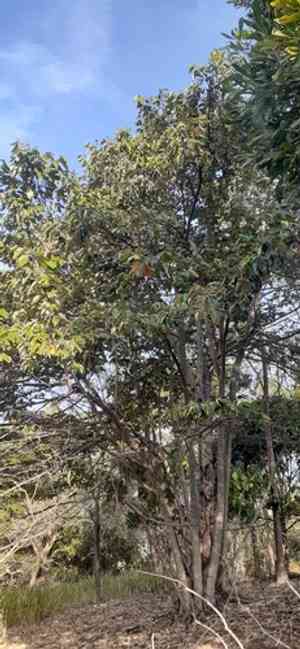
1
Brown kurrajong flourishes optimally with ample sunlight, needing more than 6 hours of direct sun daily.
2
It can endure some shade, especially during peak midday sun, to avoid leaf burn.
3
Consistently observe sun exposure year-round to modify its position when necessary.
Optimal Light Conditions for Brown kurrajong
Full Sun Requirements
Brown kurrajong is a versatile plant that thrives in abundant sunlight. Ideally, it needs at least six hours of direct sun daily to flourish. While it can survive with less, optimal growth and vitality depend on ample sun exposure. Full sun promotes robust foliage and increased flowering, leading to a lush garden display.
Partial Shade Preferences
Although Brown kurrajong isn't particular, providing some partial shade during the hottest part of summer can be advantageous. Especially in areas with intense midday sun, a bit of shade can prevent leaf scorch. Position it to receive morning and late afternoon sun, avoiding direct exposure during midday.
Impact of Insufficient Light on Brown kurrajong
Signs of Inadequate Sunlight
When Brown kurrajong lacks sufficient sunlight, it displays several clear indicators. You might observe leaves becoming pale or yellow. Growth can appear leggy as the plant stretches for light, and flower production will likely decrease. Recognizing these signs early can help you reposition it before permanent damage occurs.
Effect on Development and Vigor
Insufficient sunlight can significantly hinder the overall health and development of Brown kurrajong. Photosynthesis becomes less efficient, leading to stunted growth and a weakened plant. A compromised plant is more vulnerable to diseases and pests, further reducing its vitality. Thus, ensuring adequate sunlight is crucial for a flourishing Brown kurrajong.
Optimizing Sunlight Exposure for Brown kurrajong
Placement in Garden or Indoor Settings
Achieving ideal sunlight exposure for Brown kurrajong starts with proper placement. In a garden, choose a south-facing location that receives sun throughout the day. If grown indoors, position it near a bright, sunny window that gets ample light. Aim for over six hours of direct sunlight daily for best results.
Tools and Methods for Managing Sunlight
Effectively manage sunlight with a few practical tools and methods. Use sheer curtains to diffuse intense indoor light. In gardens, shade cloths or strategic planting near taller plants can provide necessary partial shade. Regularly rotating the plant ensures even sun exposure, preventing uneven development.
Seasonal Light Considerations for Brown kurrajong
Summer Light Needs
During summer, Brown kurrajong requires careful attention to prevent excessive exposure. While it loves sun, intense midday summer rays can be harsh. Consider providing partial shade during peak hours to prevent leaf burn. Adequate soil moisture will also help it cope better with high temperatures and strong sunlight.
Winter Light Needs
In winter, shorter daylight hours mean less natural light. For indoor Brown kurrajong, move it to the brightest window available. Outdoors, ensure it remains in the sunniest garden spot. If needed, supplement light with grow lights to maintain its health during darker months.
Common Sunlight-Related Issues and Solutions for Brown kurrajong
Addressing Overexposure
Overexposure can cause sunburn, appearing as brown, crispy leaf edges. If observed, move your Brown kurrajong to a less intense sun spot during peak hours, or provide shade with a mesh cloth. Consistent watering can also help mitigate the effects of long, hot days.
Resolving Underexposure
Underexposure results in drooping, pale leaves, and stunted growth. Relocate the plant to a sunnier position and prune any affected parts to encourage new, healthy development. Using reflective surfaces around the plant can also help maximize available light.
Adjusting Sunlight Throughout the Year
As seasons change, so should your sunlight strategy. In spring and summer, protect from intense midday sun. During autumn and winter, maximize exposure by adjusting the plant's position for weaker light. Consistent monitoring and adjustments will keep your Brown kurrajong healthy year-round.



