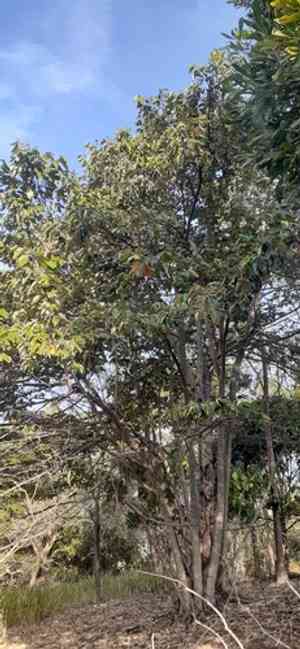
Brown kurrajong (Commersonia bartramia)
Also known as: Brown Kurrajong, Christmas Kurrajong
The Brown kurrajong (Commersonia bartramia) is a robust, fast-growing shrub found in the forests and thickets of Asia and Oceania. Traditionally, Indigenous Australians utilized its fibrous bark for making ropes, nets, and fishing lines, and sometimes roasted its seeds for consumption. Nowadays, it is increasingly popular as an ornamental plant due to its year-round flowering in tropical climates, enhancing its appeal. Its wood is also occasionally used in woodworking for smaller projects.
In This Article
Attributes of Brown kurrajong
Lifespan
Perennial
Plant Type
Tree, Shrub
Plant Height
15 m
Spread
5 m
Leaf Color
Dark green
Flower Size
5 mm
Flower Color
White
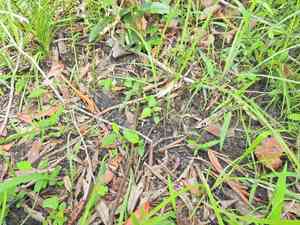
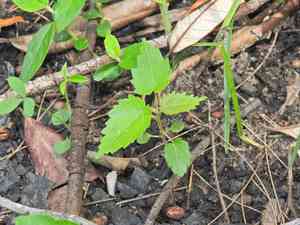
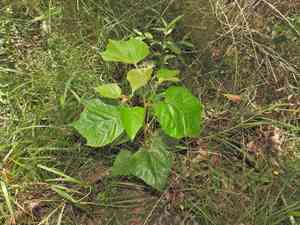
Images of Brown kurrajong
Quickly Identify Brown kurrajong
1
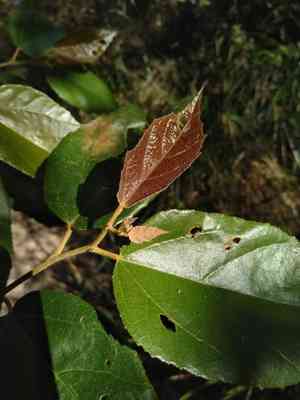
Commersonia bartramia can be identified by its large, heart-shaped leaves with finely serrated edges and small star-shaped white flowers. The bark is fibrous and brown, often giving the tree its common name.
Scientific Classification of Brown kurrajong
Phylum
Vascular plants
Class
Dicotyledons
Order
Malvales
Family
Mallow
Genus
Commersonia
Species
Brown kurrajong
Planting and Growing of Brown kurrajong
Care Difficulty
Easy
Watering Schedule
Every 2 days
Sunlight Requirements
Full sun
Sunshine Duration
4-8 hours
Ideal Temperature
68-77℉
Soil Type
Potting Mix, Peat Mix
Soil pH
6.5-7.5
Fertilizer Type
Balanced
Pruning Season
Spring, Summer
Pruning Area
Branches, Leaves
Pruning Frequency
2 times a year
Repotting Season
Spring
Pot Type
Plastic, Ceramic
 How to Water Brown kurrajong?
Commersonia bartramia requires consistent moisture but should not be left in standing water. Water sufficiently until it seeps freely from the drainage holes. This mimics rainfall and provides enough hydration for deep root growth without causing root rot.
What are the symptoms of an underwatered Brown kurrajong?
›
What should I do if my Brown kurrajong is not getting enough water?
›
What are the symptoms of an overwatered Brown kurrajong?
›
How to save an overwatered Brown kurrajong?
›
 What Are the Sunlight Requirements for Brown kurrajong?
Commersonia bartramia ideally requires full sun with a minimum of four hours of direct sunlight daily. This exposure ensures the plant develops strong stems, lush foliage, and blooms prolifically, taking full advantage of efficient photosynthesis.
More About Sunlight Requirements Techniques→
How much sun does Commersonia bartramia need?
›
What are the methods to achieve ideal sunlight exposure?
›
What benefits does adequate sunlight bring?
›
 What Is the Ideal Temperature Range for Brown kurrajong?
The ideal temperature range for growing Commersonia bartramia effectively is between 68°F and 77°F. At this range, the plant can efficiently carry out photosynthesis, optimizing its growth and flowering potential. In this temperate range, enzymatic activities within the plant's cells operate most effectively, enhancing nutrient absorption and overall plant health.
 What Soil is Best for Brown kurrajong?
Commersonia bartramia thrives best in well-drained soils as it prevents waterlogging, which can damage the roots and hinder growth. This ensures healthy development and optimal plant vitality. Soils enriched with organic matter promote robust growth by providing essential nutrients and improving soil structure. This supports the plant's overall health and enhances its resistance to diseases. Maintaining a balance in soil moisture is crucial for Commersonia bartramia, as overly dry or waterlogged conditions can stress the plant. Balanced moisture levels support consistent growth and flowering.
 How to Fertilize Brown kurrajong?
Commersonia bartramia requires a careful balance of nutrients for optimal growth. In general, applying a balanced 10-10-10 NPK liquid fertilizer diluted at half strength ensures adequate nutrient provisioning without overwhelming its system. Use approximately 250 ml per plant, distributed evenly across the soil, to maintain health and vitality.
 How to Prune Brown kurrajong?
Use sharp and sterilized pruning shears to cut off any dead or diseased branches. This helps prevent the spread of disease and promotes the plant's overall health. Begin by removing the less desirable branches to ensure the plant receives enough sunlight and air circulation. Shape the plant by cutting back overgrown branches to achieve your desired form and structure. Ensure cuts are made close to a leaf node to encourage new growth. Regular shaping helps maintain an attractive appearance and prevents the plant from becoming too leggy.
More About Pruning Techniques→
 How to Propagate Brown kurrajong plant?
1
To prepare Commersonia bartramia seeds for propagation, begin by soaking them in warm water for 24 hours. This helps to soften the seed coat, facilitating germination. After soaking, lay them out on a paper towel to dry before planting.
2
Select a healthy, non-flowering stem for cutting, and use sharp shears to cut just below a node. Ensure the cutting is about 10 cm in length. This promotes rooting by concentrating the plant's resources in a smaller segment.
3
After preparing the seeds or cuttings, plant them in a moist, well-drained soil mix. Maintain consistent moisture, but avoid waterlogging. Place the pots in a warm area with indirect sunlight, checking daily for pests and mold.
 How to Repot Brown kurrajong plant?
1
Look for signs that Commersonia bartramia needs repotting, such as roots growing out of drainage holes or the soil drying out quickly after watering. These indicate that the plant has outgrown its current pot and needs more room to thrive.
2
Select a pot that is one size larger than the current one and ensures it has good drainage holes. This prevents waterlogging, which can lead to root rot, and provides the plant with enough space to continue growing healthily.
3
Opt for a well-draining potting mix, ideally one that mimics the plant's natural habitat. A mixture that retains some moisture while allowing excess water to escape is crucial for preventing root rot and promoting healthy growth.
Learn More About Brown kurrajong Diseases
Anthracnose
Bacterial Leaf Spot
Bacterial Soft Rot
Bacterial Wilt
Black Spot
Chemical Injury
Crown Gall
Cyst Nematode
Damping-off
Downy Mildew
Drought Stress
Fusarium Wilt
Gray Mold
Leaf Curl
Leaf Spot
Mosaic
Nutrient Deficiency
Nutrient Toxicity
Powdery Mildew
Root Rot
Root-knot Nematode
Rusts
Sooty Mold
Spider Mites
Temperature Stress
Thrips Damage
White Mold



