How to Transplant Richweed?
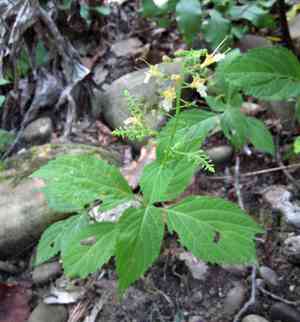
Richweed flourishes best when relocated between early spring and the beginning of summer, ensuring an excellent period for root development. Choose a location featuring damp, adequately draining soil and dappled sunlight. Careful handling of the root system encourages vigorous expansion.
Essential Preparations Before Moving Richweed
Optimal Timing for Richweed Relocation?
The perfect period for transplanting richweed is during its vigorous growth phase, from late spring to the beginning of summer. This timeframe allows the perennial's root system to settle in moderately warm soil. Selecting this interval takes advantage of the mild climate, which fosters robust root development and minimizes transplant shock. A friendly reminder: this is when richweed can truly flourish, with extended daylight hours providing ample energy and warm, yet not excessively hot, temperatures supporting new growth. So, mark your calendars for a garden refresh when spring's vitality transitions into the warmth of early summer!
Required Spacing Between Richweed Specimens?
When preparing to plant your richweed, remember that each individual requires adequate room to thrive. Aim to position them approximately 18-24 inches (45-60 cm) apart. This will provide your plants with sufficient area to grow and prosper without competing for essential resources.
Ideal Soil Blend for Richweed Transplantation?
Prior to planting your richweed, it's advisable to prepare the soil. Seek out a well-draining soil type enriched with organic matter. Incorporating a balanced, slow-release fertilizer will give your richweed an excellent start. Always mix thoroughly and moisten the soil before planting.
Recommended Location for Richweed Relocation?
Identify a garden spot that receives partial to full shade for your richweed, as it favors cooler, shaded environments. Excessive direct sunlight might be too harsh for it, so a bit of filtered sunlight through the foliage would be just right.
Equipment Needed Before Richweed Transplantation
Gardening Gloves
To safeguard your hands while handling soil and plants.
Shovel or Spade
For digging around and lifting the plant's root ball during removal.
Garden Fork
To loosen the soil and gently free roots without causing harm.
Watering Can or Hose
To hydrate the plant before and after the transplanting process.
Pruning Shears
To trim any dead or overgrown parts before transplantation.
Wheelbarrow or Plant Dolly
To move the richweed plant if it is large or heavy.
Mulch
To help retain soil moisture and prevent weed growth post-transplant.
Method for Extracting Richweed from Soil
Method for Extracting Richweed from Soil?
From Ground: First, thoroughly water the richweed plant to facilitate removal by softening the soil. Using a shovel or spade, dig a wide circle around the plant, ensuring you are far enough away to avoid damaging the root system. Gently lift the plant, keeping as much soil attached to the roots as possible.From Pot: Water the richweed plant and allow excess water to drain. Tilt the pot sideways and carefully ease the richweed plant out by supporting its base with your hand. If the plant is root-bound, gently loosen the roots before transplanting.From Seedling Tray: Water the seedlings well before beginning. Gently push the seedling from the bottom of its cell to extract it. Handle the delicate seedlings by their leaves rather than their stems to prevent injury.
Step-by-Step Guide for Richweed Transplantation
Preparation
Utilize pruning shears to remove any dead or excessive growth from the richweed plant, ensuring it prioritizes root establishment in its new location over maintaining unnecessary foliage.
Digging the Hole
With your shovel or spade, excavate a hole in the ground that is twice the width of the richweed plant's root ball and equally deep. This allows the roots to spread out easily within the soil.
Planting
Position the richweed plant in the center of the hole. The top of the root ball should be flush with the surrounding soil surface. Gently spread the roots if they are clustered.
Refilling the Hole
Carefully backfill the hole with the excavated soil, lightly firming it down as you proceed to eliminate large air pockets. Water the richweed plant thoroughly to help settle the soil around its roots.
Mulching
Apply a layer of mulch around the base of the richweed, leaving some clearance around the stem. This aids in moisture retention and inhibits weed growth.
Initial Watering
Provide your newly transplanted richweed with a thorough watering to minimize transplant shock and settle any remaining air pockets. Water slowly and deeply to encourage downward root growth.
Post-Transplantation Care for Richweed
Monitoring
Regularly inspect the richweed plant to confirm its successful adaptation to the new site. Watch for signs of transplant shock, such as wilting or discolored leaves, and address them promptly.
Gradual Sun Exposure
If the richweed plant was previously in a shadier spot, slowly introduce it to more sunlight to prevent stress.
Watering
Continue to water the richweed plant consistently for the initial few weeks to aid in establishing strong roots. The soil should remain moist but not waterlogged.
Support
If the richweed plant is tall or top-heavy, consider providing stakes for support until its roots are robust enough to hold it upright independently.
Pruning
Lightly trim any stressed or damaged foliage to help the richweed plant redirect its energy towards root establishment rather than sustaining compromised parts.
Avoid Fertilizing
Refrain from fertilizing the richweed plant immediately after transplanting to prevent root burn. Allow the plant to focus on root development before introducing fertilizers.
Resolving Common Richweed Transplantation Issues
When is the best time to move richweed?
The optimal period to transplant richweed is from mid-spring to early summer, once the soil has warmed.
What spacing is needed for richweed during transplanting?
Allow each richweed plant approximately 18-24 inches (45-60 cm) of space for healthy growth and air circulation.
What if richweed wilts after being transplanted?
Ensure richweed receives adequate water, and the soil drains well. Provide shade if the weather is unusually hot.
Why are my transplanted richweed plants struggling?
Check soil fertility, watering consistency, and ensure they are not overcrowded. Verify the transplant depth matches the original growing level.
Can richweed tolerate direct sunlight after transplanting?
Yes, but it's best to gradually acclimate richweed to full sun, especially if moved during the hottest part of the day.
How deep should I plant richweed when transplanting?
The transplant hole for richweed should be as deep as its root ball and twice as wide to encourage root expansion.
How do I prepare the soil before moving richweed?
Incorporate compost or well-rotted manure into the soil to enrich it and ensure it is moist and well-draining.
What's the best way to water richweed after transplanting?
Water richweed deeply to promote root growth. Keep the soil consistently moist, but not soggy, during its initial establishment.
How long until richweed establishes after transplanting?
They typically require a few weeks to establish. Look for new growth as an indicator of recovery and adaptation.
Is it necessary to fertilize richweed after transplanting?
After transplanting, wait several weeks before applying a balanced fertilizer to avoid burning the roots of richweed.



