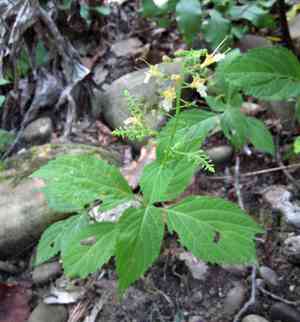
Richweed (Collinsonia canadensis)
Also known as: Citronella Horsebalm, Ox-Balm, Hardhack
Richweed, belonging to the mint family, is recognized for its lemon-scented flowers that bloom in summer. Native American tribes were familiar with this plant long before European colonization. It thrives in shady, dense forests and is a magnet for birds, moths, and bumblebees due to its nectar.
In This Article
Attributes of Richweed
Lifespan
Perennial
Plant Type
Herb
Plant Height
61 cm to 1.2 m
Spread
30 cm to 90 cm
Leaf Color
Green Blue
Flower Size
2.5 cm
Flower Color
White Yellow Green Gold
Images of Richweed
Quickly Identify Richweed
1
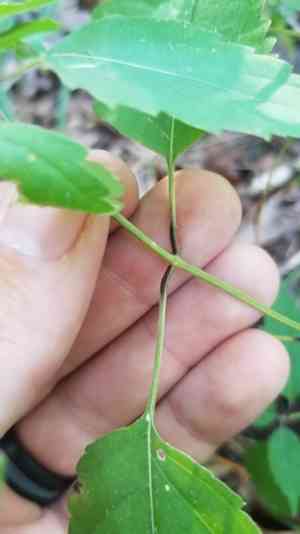
Tall square stems grow up to 3-4 feet (90-120 cm).
2
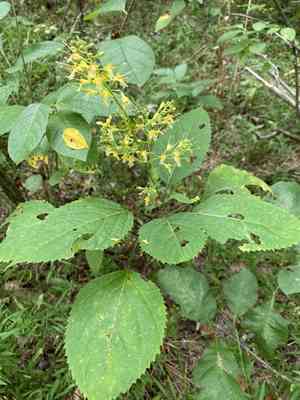
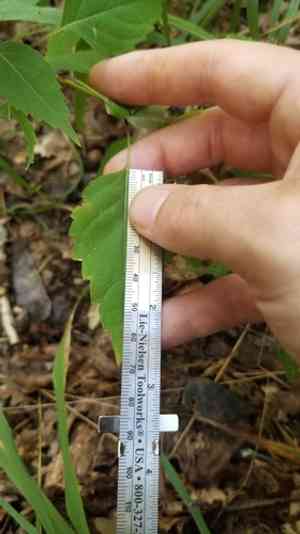
Large, ovate to heart-shaped leaves, up to 6 inches (15 cm) across.
3
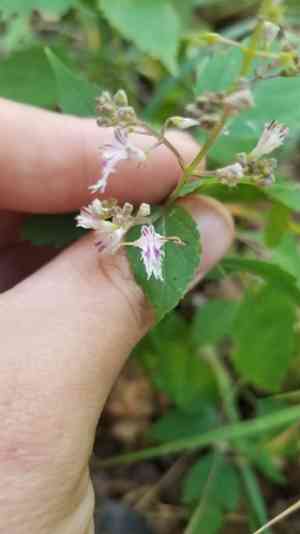
Small, tubular yellowish flowers in tiered whorls, striking contrast with dark green leaves.
4
Fragrant yellow flowers with fringed lower lip, in branched spikes.
5
Oppositely arranged leaves, oval, toothed, vibrant green upper surface, paler underside.
Scientific Classification of Richweed
Phylum
Vascular plants
Class
Dicotyledons
Order
Lamiales
Family
Mint
Genus
Horsebalms
Species
Richweed
Planting and Growing of Richweed
Care Difficulty
Easy
Watering Schedule
Every 2 days
Sunlight Requirements
Partial sun
Sunshine Duration
4-8 hours
Ideal Temperature
60-70℉
Soil Type
Potting Mix, Peat Mix
Soil pH
6.5-7.5
Fertilizer Type
Balanced
Pruning Season
Spring, Summer
Pruning Area
Branches, Leaves
Pruning Frequency
2 times a year
Repotting Season
Spring
Pot Type
Plastic, Ceramic
 How to Water Richweed?
For Collinsonia canadensis, an ideal watering amount is around 300 milliliters per session. This plant prefers soil that is consistently moist but not waterlogged, so ensuring the top inch of soil is dry before re-watering is vital.
What are the symptoms of an underwatered Richweed?
›
What should I do if my Richweed is not getting enough water?
›
What are the symptoms of an overwatered Richweed?
›
How to save an overwatered Richweed?
›
 What Are the Sunlight Requirements for Richweed?
Collinsonia canadensis thrives in partial sun to full shade conditions, which mirrors its native woodland habitat. This balance in light ensures healthy foliage and flowering by providing sufficient energy for photosynthesis without overexposure risks.
More About Sunlight Requirements Techniques→
Question: How much sunlight does Collinsonia canadensis ideally need?
›
Question: Can it survive under full sun conditions?
›
Question: What seasonal adjustments are necessary for its light conditions?
›
 What Is the Ideal Temperature Range for Richweed?
The ideal temperature range for Collinsonia canadensis, also known as Canadian horsebalm, is between 60°F to 70°F. This temperature range is optimal for its growth, providing it with the necessary warmth and humidity that mimic its natural habitat in the understory of deciduous forests. Maintaining such temperatures ensures healthy foliage and robust flowering.
 What Soil is Best for Richweed?
Collinsonia canadensis thrives in soil that retains moisture without becoming waterlogged. This balance ensures that the plant's roots can absorb enough water to remain healthy and vibrant, preventing wilting during dry periods. The plant benefits significantly from nutrient-rich soil, which provides essential elements and minerals for growth and vitality. This richness supports robust flowering and foliage development, enhancing the plant's aesthetic appeal in gardens. Good drainage is crucial to prevent root rot, which can occur in overly saturated soils. Well-drained loam or sandy loam ensures excess water can escape, promoting a healthy root system and reducing the risk of fungal infections.
 How to Fertilize Richweed?
When fertilizing Collinsonia canadensis, it's important to apply fertilizers sparingly. For liquid fertilizer, mix it to a quarter of the recommended strength. For slow-release fertilizers, use approximately a tablespoon per plant, ensuring it's well spread around the drip line to avoid root burn.
 How to Prune Richweed?
Use sharp, clean pruning shears to avoid damaging the plant and to ensure precise cuts. Clean tools also prevent the transfer of plant diseases. Begin by removing any dead or withered stems at the base to allow new growth to fill the space. Next, trim back leggy or unwanted growth by cutting just above a leaf node to encourage branching.
More About Pruning Techniques→
 How to Propagate Richweed plant?
1
Begin by filling seed trays with a well-draining potting mix, and sprinkle seeds evenly on the surface. Cover lightly with soil and water gently to keep the soil moist. Place the tray in a warm, bright location.
2
Carefully dig up the mature Collinsonia canadensis plant, using a hand trowel. Separate the roots into several smaller clumps, ensuring each clump has healthy roots and shoots. Replant these divisions in a prepared area with similar growing conditions.
3
Once seedlings have grown several true leaves, they can be transplanted into larger pots or outdoors. Be gentle when handling seedlings, using a hand trowel to lift them carefully, maintaining the integrity of the root system.
 How to Repot Richweed plant?
1
Collinsonia canadensis typically needs repotting when the roots outgrow the current pot, visibly poking through the drainage holes or circling the soil's surface. Spring is ideal for repotting because it aligns with the plant's natural growth cycle, ensuring resilience and quicker adaptation to the new pot.
2
Select a pot that is one size larger than the current one, with at least one drainage hole. This ensures excess water can conveniently flow out, preventing root rot. Terra cotta pots are excellent choices as they offer breathability, helping maintain the moisture balance essential for Collinsonia canadensis.
3
Opt for a well-draining, loamy soil mix enriched with organic matter. This type of soil retains necessary moisture without waterlogging and supplies vital nutrients that foster lush growth and robust development. Such soil conditions mimic the plant’s natural woodland habitat, promoting healthy growth.
Learn More About Richweed Diseases
Anthracnose
Bacterial Leaf Spot
Bacterial Wilt
Chemical Injury
Damping-off
Downy Mildew
Drought Stress
Fusarium Wilt
Gray Mold
Leaf Curl
Leaf Spot
Mosaic
Nutrient Deficiency
Nutrient Toxicity
Powdery Mildew
Root Rot
Root-knot Nematode
Rusts
Sooty Mold
Spider Mites
Temperature Stress
Thrips Damage
White Mold



