Enhancing Your Garden Design with the Richweed Plant: A Landscaping Guide
1
Adding Richweed to your garden can greatly boost its visual charm.
2
Richweed offers environmental advantages, such as aiding local fauna.
3
Correct care and knowledge of its growth patterns contribute to Richweed's sustained health and beauty.
Introducing Richweed Into Your Garden
Selecting the Ideal Location for Richweed
A crucial step for integrating Richweed into your garden is choosing the correct spot. Richweed flourishes in partly shaded areas with well-draining soil. It's vital to avoid locations where water collects, as this can cause root decay. Consider places where Richweed gets morning sun but is protected from intense afternoon rays. This careful placement ensures the plant's health and enhances its visual contribution to the garden.
Understanding the Growth Habit of Richweed
Knowing Richweed's growth patterns helps with better planning. Richweed is a perennial herb that typically forms a dense, ground-covering mat. It reaches a modest height, making it an excellent option for borders or as an underplanting beneath taller shrubs and trees. With this knowledge, you can plant Richweed where it has ample space to spread without being overshadowed by larger plants.
Seasonal Considerations for Planting Richweed
Timing is essential when planting Richweed. The optimal time to plant is during early spring or fall when temperatures are cooler. Avoid planting during peak summer to prevent stress from excessive heat. Preparing the soil by adding organic matter can also give Richweed a strong start, ensuring it has the necessary nutrients to establish itself before the growing season.
Benefits of Integrating Richweed in Landscapes
Aesthetic Advantages of Richweed
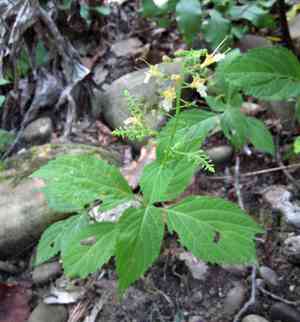
Richweed offers a distinct visual appeal to any garden. Its lush green leaves and delicate blooms can add elegance and charm. The plant's ability to form a thick mat makes it an excellent ground cover, reducing the need for mulch and providing a neat, well-kept appearance. Richweed's subtle beauty can be a quiet yet compelling focal point in your landscape design.
Environmental Impact of Including Richweed
Beyond its beauty, Richweed provides significant environmental benefits. This native plant can help reduce soil erosion, making it a great addition to gardens with slopes or areas prone to runoff. Furthermore, its low-maintenance nature means fewer chemical inputs are required, contributing to a healthier garden ecosystem.
Wildlife and Ecological Contributions of Richweed
Incorporating Richweed into your garden supports local wildlife. Its flowers attract pollinators like bees and butterflies, enhancing your garden's overall health and biodiversity. Birds and other small creatures also benefit from the habitat Richweed provides, turning your landscape into a haven for various species.
Design Tips for Incorporating Richweed in Your Yard
Complementing Plants for Richweed
Choosing suitable companion plants for Richweed can amplify its beauty. Consider pairing Richweed with taller perennials that offer contrasting textures and colors. Plants such as ferns or hostas can create a striking background and provide the shade that Richweed thrives in. This combination can result in a lush and aesthetically pleasing garden space.
Creating Focal Points with Richweed
While Richweed excels as a ground cover, it can also serve as a focal point in your garden design. Planting it in clusters or along pathways can draw the eye and create a sense of unity throughout your landscape. Consider using garden ornaments or stones to highlight these areas and add visual interest.
Maintaining the Visual Appeal Over Time
Keeping your garden looking its best requires consistent upkeep. For Richweed, this involves occasional trimming to prevent it from becoming too leggy and ensuring it has sufficient moisture, especially during dry spells. Mulching around the plant's base can help retain moisture and keep the roots cool. Regularly removing any dead or diseased foliage will also maintain its vibrant appearance.
Challenges and Solutions When Growing Richweed
Dealing with Common Pests and Diseases of Richweed
Although Richweed is quite resilient, it can be susceptible to certain pests and diseases. Common issues include aphids and fungal infections. Regular monitoring and prompt action are crucial. Using insecticidal soap for pests and ensuring good air circulation to prevent fungal problems can keep Richweed healthy.
Soil and Irrigation Needs for Optimal Growth
Richweed prefers well-drained soil rich in organic matter. Excessive water can lead to root rot, so ensure your garden has proper drainage. A soil test can help determine if additional amendments are needed. Regular, moderate watering is ideal, aiming to keep the soil consistently moist without becoming waterlogged.
Adapting Richweed to Different Climate Zones
Richweed is adaptable and can thrive in various climate zones with minor adjustments. In colder regions, heavy mulching around the base can protect it from frost. In hotter climates, ensure it receives ample shade and supplementary watering during dry periods. Understanding and accommodating your local climate will help Richweed flourish.



