How to Transplant Royal mahogany?
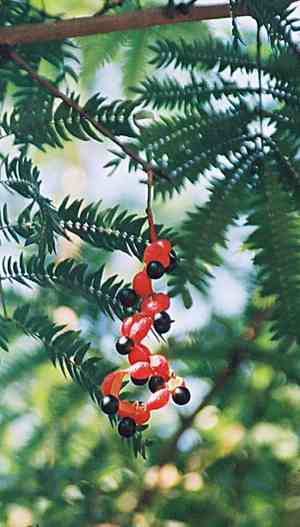
The most favorable period for transplanting royal mahogany is within the mild conditions of mid to late spring or the onset of early summer. Select a location that offers abundant light and soil that drains effectively. Should it be required, carefully brace the root mass to foster consistent development following the relocation.
What Preparations are Needed Before Transplanting Royal Mahogany?
What is the Ideal Time for Transplanting Royal Mahogany?
Choosing late spring to early summer for transplanting royal mahogany ensures the best start. This period offers warmth without extreme summer heat, promoting root development before colder months. Transplanting then allows royal mahogany to adapt smoothly, utilizing moderate temperatures and stable conditions for strong growth.
How Much Space Should You Leave Between Royal Mahogany Plants?
When relocating royal mahogany, provide ample room for development. Aim for a distance of roughly 10-12 feet (3-3.7 meters) between each plant. This allows royal mahogany sufficient space to thrive without competition from nearby vegetation.
What is the Best Soil Mix for Royal Mahogany Transplanting?
Prior to planting royal mahogany, ensure the soil is well-prepared. This plant flourishes in soil that drains effectively, ideally loam or sandy varieties. Enhance the soil with organic compost or a balanced base fertilizer to supply essential growth nutrients.
Where Should You Relocate Your Royal Mahogany?
Select a site for royal mahogany that receives full sun or partial shade. While royal mahogany is adaptable, it grows best with abundant sunlight, so try to locate a sunny spot in your garden.
What Equipments Should You Prepare Before Transplantation Royal Mahogany?
Gardening Gloves
Essential for safeguarding your hands from sharp objects and insects in the soil during work.
Shovel or Spade
For excavating the royal mahogany plant from its initial spot, and for preparing the new planting hole.
Wheelbarrow
To move the royal mahogany plant from its original location to its new site.
Pruning Shears
To trim any damaged or overgrown branches or roots of the royal mahogany plant.
Watering Can
Used to thoroughly hydrate the plant after transplanting, aiding in its establishment.
Mulch
Mulch assists the soil in retaining moisture, thereby benefiting the plant in its new location.
How Do You Remove Royal Mahogany from the Soil?
How Do You Remove Royal Mahogany from the Soil?
From Ground: Start by watering the royal mahogany plant to moisten the soil around its roots. This facilitates easier removal. Using a shovel or spade, dig a wide trench around the plant, being careful not to harm the root ball. Gently work the spade beneath the root ball, carefully lifting the plant from its original spot. If roots have spread extensively, dig deeper to ensure all roots are included in the root ball for transport.From Pot: Begin by watering the royal mahogany, allowing the plant to slide out more easily. Turn the pot sideways, hold the plant gently by its stems, and tap the bottom of the pot until the plant slides out. Remember to be gentle to avoid damaging the plant and its roots.From Seedling Tray: Seedlings are delicate, so ensure your hands are clean and gloves are removed. Make sure the soil is damp. With your fingers or a small tool, gently push up from beneath the seedling tray to release the root ball. Care must be taken to prevent damage to the young roots.
Step-by-Step Guide for Transplanting Royal Mahogany
Preparation
Once the royal mahogany has been carefully extracted, prepare its new hole immediately. The hole should be twice as wide and as deep as the root ball. This extra space is crucial for the roots to spread easily into the soil.
Placement
Position the royal mahogany in the hole, aligning it to the same depth as in its original location. Ensure it stands upright.
Backfilling
Fill the hole with the same soil that was excavated. Do this gently but firmly to eliminate any air pockets from the soil that could cause the roots to dry out. Ensure the plant is stable and upright.
Watering
Once the soil has been firmed, water the royal mahogany generously. This helps compact the soil and aids the royal mahogany in settling into its new home.
Mulching
After watering, apply a layer of mulch around the plant. This helps maintain soil moisture and protects the new transplant from extreme weather conditions.
How Do You Care For Royal Mahogany After Transplanting?
Continued Care
For the initial few weeks, regularly observe your royal mahogany, looking for signs of transplant shock such as wilting or yellowing leaves. If these signs appear, ensure the plant is adequately watered but avoid waterlogging the soil.
Pruning
If the royal mahogany had significant growth before transplanting, prune it moderately. This helps the plant direct energy towards developing new roots rather than sustaining large tops. Always remember to prune dead or unhealthy-looking branches to encourage healthy growth.
Pest and Disease Management
Regularly inspect the royal mahogany for any indications of pests or diseases. Early detection and treatment can prevent severe damage to the plant.
Troubleshooting Common Issues with Royal Mahogany Transplantation.
When is the best time to transplant royal mahogany?
The ideal time for transplanting royal mahogany is during the second to fourth season of the year. This period is excellent for stronger root establishment.
What is the appropriate spacing required when transplanting royal mahogany?
Provide royal mahogany with ample room to grow. Plant them approximately 10-12 feet (3-3.7 meters) apart. This spacing benefits their overall health and development.
Should I water royal mahogany immediately after transplanting?
Absolutely! Watering royal mahogany right after transplantation keeps it hydrated and helps settle the soil around its roots.
What should be the depth of the hole for transplanting royal mahogany?
The hole should ideally be twice the width and as deep as royal mahogany's root ball. This allows the roots to spread and grow optimally.
Do I need to add fertilizer when planting royal mahogany?
While fertilizer isn't essential at transplanting time, a slow-release fertilizer can certainly help royal mahogany establish its roots and support its initial growth.
What type of soil does royal mahogany prefer for transplantation?
Royal mahogany adapts well to various soil types. However, for optimal growth, plant in well-drained yet moisture-retentive soil rich in organic matter.
How can I reduce transplant shock in royal mahogany?
Lessen royal mahoganyâs transplant shock by watering it thoroughly before and after transplanting, and ensure it's planted in its preferred soil type and conditions.
Should I prune royal mahogany prior to transplanting?
You can trim any damaged or excessively long roots, but extensive pruning isn't necessary for royal mahogany before transplanting. Remember, the goal is to minimize stress.
What to do if royal mahogany looks wilted after transplanting?
If royal mahogany appears wilted post-transplant, it might be experiencing transplant shock. Additional watering and some shade for a few days could aid its recovery.
How long will it take for royal mahogany to establish after being transplanted?
Generally, royal mahogany may take several weeks to establish after transplanting. However, the plantâs health, care, and environmental conditions significantly influence this duration.



