How to Propagate Royal mahogany?
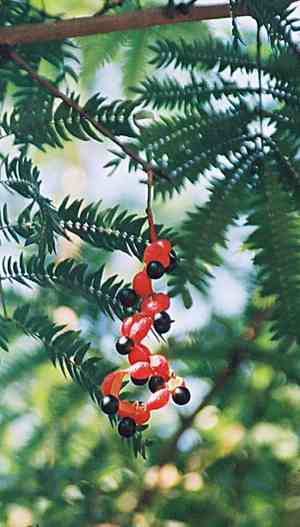
Royal mahogany, a tropical arboreal species prized for its robust timber, flourishes effectively through asexual reproduction, particularly by means of cuttings. When preparing these sections, select vigorous, developed stem portions. Apply a rooting stimulant to the severed ends to foster root growth, then embed them in a substrate that drains efficiently. Maintaining a moist atmosphere is crucial for successful root formation. Consistent spraying will assist in preserving the required humidity without over-saturating the growing medium.
Optimal Period for Royal Mahogany Propagation
Propagation Method
Cutting
Propagation Period
Autumn,Winter
Tools Required for Royal Mahogany Propagation
Sharp pruning shears
These are vital for making clean cuts on royal mahogany, minimizing harm and lowering infection risk. Their sharp blades ensure precise cuts, essential for fostering healthy root growth in cuttings.
Rooting hormone
This encourages root development in royal mahogany cuttings by stimulating root cell formation. Applying rooting hormone to the cut end of a cutting before planting can greatly boost the likelihood of successful rooting.
Sterile potting mix
Used for planting cuttings, this medium offers royal mahogany a disease-free environment crucial for root development. Its sterile nature helps prevent fungal and bacterial infections that could jeopardize the cutting's growth.
Propagation trays
These trays secure royal mahogany cuttings and maintain adequate humidity and temperature, both vital for the rooting process. They also facilitate easy monitoring and care of multiple cuttings.
Heating mats
These ensure a consistent and suitable root-zone temperature, which is critical for royal mahogany propagation. The warmth from the mat promotes faster root development, especially in cooler climates.
How to Propagate Royal Mahogany?
Propagation Type
Moderately Difficult
Caring for Your Newly Propagated Royal Mahogany
Caring for Your Newly Propagated Royal Mahogany
Once the royal mahogany cutting has rooted and shows new growth, gradually introduce it to normal environmental conditions before transplanting it to its permanent spot. Ensure royal mahogany is watered regularly but not excessively, and place it in a well-lit area, shielded from direct afternoon sun. Fertilize every four to six weeks during the growing season with a balanced fertilizer. Regular trimming will help maintain its form and encourage healthier, denser growth.
Common Propagation Mistakes to Avoid with Royal Mahogany
Inadequate root preparation
Gardeners often overlook the importance of properly preparing royal mahogany roots during propagation. This oversight can lead to poorly developed root systems, making it difficult for the plant to absorb nutrients and water efficiently, thus hindering its growth.
Overwatering
This is a frequent error, especially during royal mahogany's propagation phase. Excessive watering can cause root rot, severely impacting the plant's health and reducing the chances of successful propagation.
Using non-sterile tools
Propagation often involves cutting or pruning. Using unsterilized tools can introduce pathogens to royal mahogany, potentially leading to infections and diseases that can impede propagation success.
Tips For Propagating Royal Mahogany
Root hormone application
Applying a rooting hormone to the cut ends of royal mahogany can significantly enhance root development. This promotes healthier, more robust growth, improving the overall success rate of propagation.
Proper watering technique
Maintaining a balance in watering is crucial for royal mahogany. It's advisable to keep the soil moist but not waterlogged. Using a spray bottle for watering can help control the amount of water applied, reducing the risk of overwatering.
Use of sterile equipment
Ensure all tools used in royal mahogany propagation are sterilized to prevent disease spread. This includes pruning shears and pots. Sterilization can be achieved by cleaning tools with alcohol or a bleach solution.



