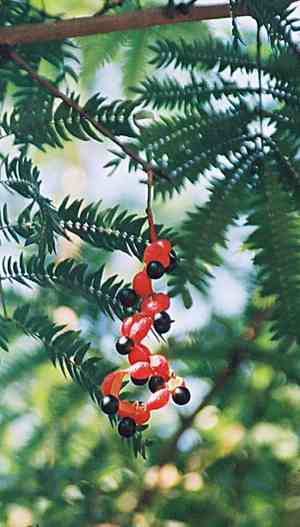
Royal mahogany (Cojoba arborea)
Also known as: Algodonquillo, Cenízaro de el Salvado
The tree often referred to as the "coral snake tree" is Erythrina species, particularly Erythrina coralloides. Commonly grown for its attractive red flowers, it serves an ornamental purpose and provides excellent shade. Beyond its aesthetic appeal, its wood is lightweight and durable, making it suitable for various wood products like tool handles and carvings. The name "coral snake tree" comes from its striking red and black seed pods, which resemble the appearance of a coral snake.
In This Article
Attributes of Royal mahogany
Lifespan
Perennial
Plant Type
Tree
Plant Height
8 m to 18 m
Spread
1 m
Leaf Color
Green
Flower Size
2.5 cm
Flower Color
White Yellow Green
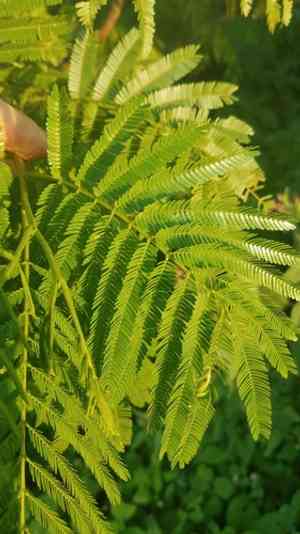
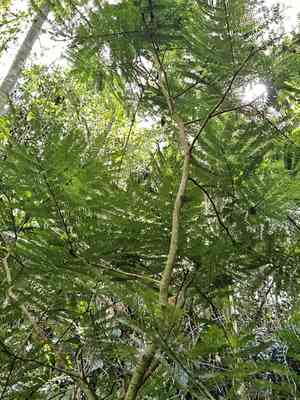
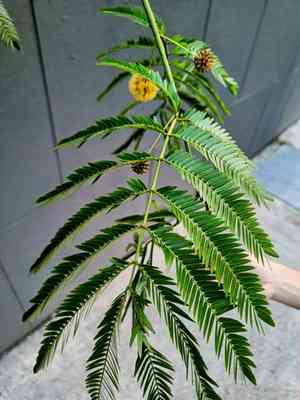
Images of Royal mahogany
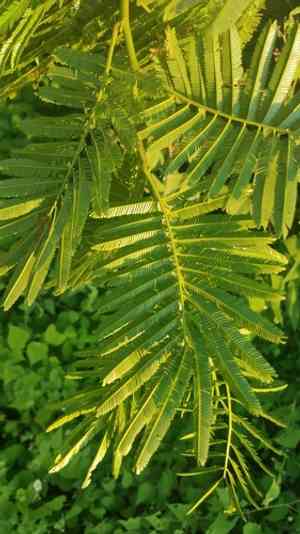
Quickly Identify Royal mahogany
1
To identify Cojoba arborea, look for a medium to large-sized tree with a broad crown. Its leaves are bipinnate, and it produces small, fragrant white flowers arranged in clusters.
Scientific Classification of Royal mahogany
Phylum
Vascular plants
Class
Dicotyledons
Order
Fabales
Family
Legume
Genus
Cojoba
Species
Royal mahogany
Planting and Growing of Royal mahogany
Care Difficulty
Easy
Watering Schedule
Every 2 days
Sunlight Requirements
Full sun
Sunshine Duration
6-10 hours
Ideal Temperature
68-77℉
Soil Type
Potting Mix, Peat Mix
Soil pH
5.5-7.5
Fertilizer Type
Balanced
Pruning Season
Spring, Summer
Pruning Area
Branches, Leaves
Pruning Frequency
2 times a year
Repotting Season
Spring
Pot Type
Terracotta, Plastic
 How to Water Royal mahogany?
For Cojoba arborea, each watering session should be adequate to ensure the soil is moist but not waterlogged. Aim for about 1000 ml of water, depending on the plant's environment; the goal is to see water draining from the pot's bottom, indicating saturation but not excess.
What are the symptoms of an underwatered Royal mahogany?
›
What should I do if my Royal mahogany is not getting enough water?
›
What are the symptoms of an overwatered Royal mahogany?
›
How to save an overwatered Royal mahogany?
›
 What Are the Sunlight Requirements for Royal mahogany?
Partial sun to full sun exposure benefits Cojoba arborea, enhancing its photosynthesis and growth. With adequate sunlight, the plant develops stronger tissues and more vibrant foliage, improving its resilience and beauty.
More About Sunlight Requirements Techniques→
How much sunlight is optimal for Cojoba arborea?
›
What are the best methods to ensure optimal lighting conditions?
›
What benefits can Cojoba arborea achieve with ideal sunlight?
›
 What Is the Ideal Temperature Range for Royal mahogany?
For optimal growth of Cojoba arborea, maintaining an environment between 68°F and 77°F is recommended. These temperatures support healthy physiological processes, including growth and photosynthesis, while minimizing stress factors. Such a range aligns with its natural tropical environment, providing the necessary warmth without reaching extremes that could hinder development.
 What Soil is Best for Royal mahogany?
Cojoba arborea thrives in nutrient-rich soil, which provides essential minerals for strong growth and health. This ensures a lush and vibrant plant with robust foliage and blossoms. Ensuring well-drained soil is crucial to prevent water-logging that can lead to root rot. This helps maintain a healthy root system, promoting overall vitality. Having soil that retains moderate moisture is important to provide a consistent water supply, aiding the plant during dry spells. This contributes to stable growth and prevents stress.
 How to Fertilize Royal mahogany?
Cojoba arborea appreciates a balanced approach when it comes to fertilization. For liquid fertilizers, a solution diluted at half strength is recommended. You should apply about 250ml per application to ensure the plant receives adequate nutrition without the risk of fertilizer burn.
 How to Prune Royal mahogany?
Begin by identifying and removing any branches that appear to be dead or diseased. Cut these back to the point of healthy tissue to prevent the spread of pathogens and to promote new growth. To maintain its aesthetic form, shape the Cojoba arborea by trimming long-growing branches back to a main branch fork. Make clean cuts at a 45-degree angle to encourage healthy regrowth and a robust structure. Prune to thin out areas where branches are crowded. This step improves air circulation and sunlight penetration, which are vital for the tree’s health, helping to prevent fungal infections and promote overall vitality. After pruning, water the tree thoroughly to help it recover from the stress of pruning. Apply a balanced fertilizer to support new growth and monitor the tree for any signs of distress.
More About Pruning Techniques→
 How to Propagate Royal mahogany plant?
1
Gather seeds from mature Cojoba arborea plants. Clean the seeds thoroughly before sowing. Use a seed tray with a quality potting mix and plant the seeds at a depth of about 1cm.
2
Select healthy, disease-free stems for cuttings. Cut a 5-10cm long piece at a node using a sterile knife or pruner. Remove the lower leaves to prevent rot.
3
Place cuttings or seeds in a warm, humid environment. Maintain consistent moisture in the soil without making it soggy, thereby ensuring successful rooting and germination.
 How to Repot Royal mahogany plant?
1
Look for signs like roots growing through the drainage holes, soil compacted, or slowed growth. These indicate it's time to repot your Cojoba arborea. Usually, spring or early summer is ideal, giving the plant ample time to settle into its new pot before entering a more dormant state.
2
Select a pot that is 1-2 inches larger in diameter than the current one. Ensure it has good drainage holes to prevent waterlogging. A well-sized pot allows room for root growth, minimizing stress on the plant and promoting healthier development.
3
Opt for a well-draining potting mix, ideally a blend of sand, peat, and loam. This composition provides the right balance of moisture retention and drainage, creating an optimal environment for Cojoba arborea’s roots to thrive and helping prevent root rot.
Toxicity
Ingestion
WARNING
The judgment on toxicity and danger is for reference only. We DO NOT GUARANTEE any accuracy of such judgment. Therefore, you SHALL NOT rely on such judgment. It is IMPORTANT TO SEEK PROFESSIONAL ADVICE in advance when necessary.
Learn More About Royal mahogany Diseases
Anthracnose
Bacterial Leaf Spot
Bacterial Soft Rot
Bacterial Wilt
Black Spot
Chemical Injury
Crown Gall
Damping-off
Downy Mildew
Drought Stress
Fusarium Wilt
Gray Mold
Leaf Curl
Leaf Spot
Mosaic
Nutrient Deficiency
Nutrient Toxicity
Powdery Mildew
Root Rot
Root-knot Nematode
Rusts
Sooty Mold
Spider Mites
Temperature Stress
Thrips Damage
White Mold



