How to Prune Royal mahogany?
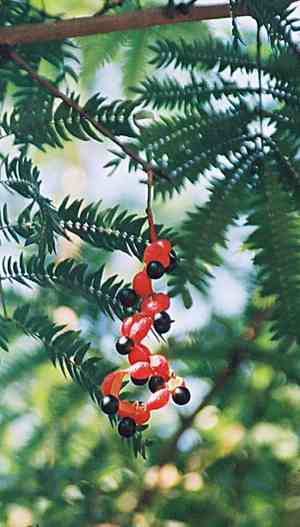
This exotic timber species is recognized for its resilience and abundant leaves. For royal mahogany, strategic trimming improves its vitality and aesthetic. While the plant is dormant in winter, eliminate any lifeless or infected limbs to stimulate vigorous spring development. Shear to preserve its form and boost air movement, prioritizing precise, lighter cuts over extensive removal. Trimming also lessens potential harm from strong gusts by decreasing the canopy's drag. A properly pruned royal mahogany exhibits greater resistance to infestations and ailments, fostering an enduring, impressive presence.
What Are the Benefits of Pruning Royal Mahogany?
What Are the Benefits of Pruning Royal Mahogany?
Trimming royal mahogany promotes robust development and maintains its form. Strategic cuts enhance air circulation and light penetration, vital for royal mahogany's well-being. Regular trimming helps manage royal mahogany's size and improves its structural integrity.
What Is the Best Time for Pruning Royal Mahogany?
What Is the Best Time for Pruning Royal Mahogany?
Trimming royal mahogany in late winter allows for the removal of dead or damaged branches without negatively impacting the growth cycle, as the plant remains dormant. This timing minimizes the risk of disease and pest infestation, which are less prevalent in cold weather. Additionally, since royal mahogany has not yet begun its rapid spring growth, pruning wounds can heal more efficiently, and the plant's energy reserves are directed towards the development of new, healthy growth. Avoiding pruning during the active growing season ensures that royal mahogany's flowering and fruiting capabilities are not compromised, maintaining its aesthetic and ecological contributions.
What Tools Do I Need to Prune Royal Mahogany?
Bypass Pruners
Perfect for making clean cuts on smaller branches (up to 3/4 inch in diameter) of royal mahogany, ensuring minimal harm to the plant tissue.
Lopper
Suitable for cutting through thicker branches (up to 2 inches in diameter) of royal mahogany, allowing for precise control and leverage.
Pruning Saw
Essential for trimming branches over 2 inches thick, common in mature specimens of royal mahogany. A saw with fine teeth provides smoother cuts.
Pole Pruner
Helpful for reaching higher branches of royal mahogany, enabling pruning without the use of ladders for safety and efficiency.
Hand Shears
Ideal for shaping and maintaining the dense foliage of royal mahogany, allowing for detailed work on the canopy.
How to Prune Royal Mahogany
Identify
Examine royal mahogany thoroughly to locate dead and diseased branches. Recognize dead branches by their brittle, gray appearance and lack of leaves or buds. Diseased branches may show signs of discoloration, unusual growth patterns, or visible damage by pests or disease.
Disinfect
Before cutting, clean and disinfect all pruning tools to prevent the spread of disease. Use a solution of 1 part bleach to 9 parts water or rubbing alcohol to sterilize blades. Ensure the tools are sharp to make clean cuts.
Prune dead
Use appropriate pruning shears to remove dead branches of royal mahogany. Cut them back to the point of origin, or to the nearest living lateral branch. Avoid leaving stubs, as they can attract pests and disease. Make cuts at a slight angle to facilitate water runoff.
Prune diseased
Carefully prune out diseased branches from royal mahogany. Make cuts well below the affected area, at least several inches into healthy wood, to ensure complete removal of diseased tissue. Disinfect tools between each cut to prevent transmission of pathogens.
Cleanup
Collect and properly dispose of all removed dead and diseased branches from the area around royal mahogany. Do not compost them, as this can spread disease. Clean up should leave the area clear to discourage pests and promote healthy plant growth.
Common Pruning Mistakes with Royal Mahogany
Over-pruning
Removing too much foliage at once can stress royal mahogany, leading to stunted growth or even death.
Improper cutting
Incorrect cutting techniques, such as tearing or leaving jagged edges, can create openings for pests and diseases to infiltrate royal mahogany.
Neglecting to prune
Failing to remove dead or diseased branches can hinder royal mahogany's growth and overall health.
Pruning living flowers
Cutting off healthy blooms reduces royal mahogany's ability to reproduce and can lead to fewer flowers in following seasons.
Ignoring tool hygiene
Using dirty or contaminated tools can introduce pathogens to royal mahogany and spread disease throughout the garden.
Common Pruning Tips for Royal Mahogany
Sharp tools
Always use clean, sharp pruning shears to make quick, precise cuts without damaging royal mahogany's tissues.
Angle of cut
Cuts should be angled away from the bud to prevent water from accumulating and causing rot.
Dead and diseased wood
Regularly remove dead, diseased, or damaged branches to maintain royal mahogany's health and vigor.
Pruning for shape
Prune royal mahogany to maintain its natural shape and desired size, being cautious not to remove more than a third of the tree in one pruning session.
Wound care
If a large branch must be removed, apply a wound dressing to protect royal mahogany from pests and diseases.



