How to Transplant Ivy gourd?
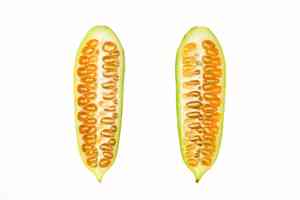
Ivy gourd transplantation flourishes optimally when situated in the ground from late spring through mid-summer, leveraging vigorous development. Provide a sunny location with sufficient hydration to accommodate this lush climbing plant.
Essential Preparations Before Relocating Ivy Gourd
Optimal Timing for Ivy Gourd Relocation?
The best period to move ivy gourd is in late spring or early to mid-summer. This timeframe offers a stable environment, allowing ivy gourd to properly establish its root system before colder months arrive. Transplanting ivy gourd then leverages longer days and warmer soil, crucial for developing robust, healthy plants. By selecting this season, you provide ivy gourd the greatest chance to flourish, ensuring it quickly adapts to its new spot and thrives, boosting your garden's yield and visual appeal.
Recommended Spacing Between Ivy Gourd Plants?
When moving ivy gourd, ensure each plant has ample room to expand. Ideally, a distance of 2-3 feet (0.6-0.9 meters) between each specimen will provide sufficient growing space.
Best Soil Mixture for Ivy Gourd Transplanting?
Regarding soil, ivy gourd prefers well-drained, fertile ground. Incorporate organic matter or a foundational fertilizer into the soil prior to planting. This will enrich the medium and guarantee your plants receive abundant nutrients.
Choosing a New Location for Your Ivy Gourd?
Select a site for your ivy gourd where it can receive full sun to partial shade. This plant thrives with plenty of sunlight. However, it can also tolerate some shade. Choose the location wisely!
Equipment Needed Before Transplanting Ivy Gourd
Gardening Trowel
For digging small holes for the young ivy gourd plants.
Gardening Shovel
To excavate larger holes and remove the mature ivy gourd plant.
Gardening Gloves
To safeguard your hands while handling soil and plants.
Watering Can/Hose
For hydrating the plant both before and after the relocation.
Pruner
To trim any damaged leaves or stems from the plant before & after transplanting.
Garden Stakes
To support the climbing vines of the ivy gourd plant as it grows.
Bamboo Stakes
An alternative to garden stakes, for offering support to your ivy gourd.
Plant Tie Tapes
To secure the plant to its support stake.
Method for Removing Ivy Gourd from Soil
How to Extract Ivy Gourd from the Soil?
From Ground: Begin by watering the ivy gourd to moisten the soil, which will facilitate digging and help preserve the root structure. Use a shovel to dig a wide circle around the plant, maintaining a safe distance to avoid root damage. Gently lift the plant from the ground, ensuring the root ball remains intact. From Pot: First, water the ivy gourd thoroughly to make root extraction easier. Turn the pot on its side, hold the plant gently at its base, and pull it out. You might need to tap the pot's bottom to loosen it. Be careful not to break any thick roots during this process. From Seedling Tray: Water the ivy gourd seedlings first so the roots are simpler to remove. Gently squeeze the base of each cell or compartment to push the root ball upwards. Grasp the plant by its leaves or secondary stem (not the main stem) and carefully coax it free.
Step-by-Step Guide for Relocating Ivy Gourd
Digging Hole
Excavate a hole at least twice the size of the ivy gourd's root ball using your trowel or shovel. A wider hole is preferable, as it will allow the roots to spread and establish more easily in the new location.
Placing ivy gourd
Position your ivy gourd into the hole. The top of the root ball should be flush with or slightly below the ground's surface.
Filling the Hole
Backfill the hole with soil, pressing it gently around the plant's base. Avoid burying the ivy gourd too deeply, as this can lead to rot.
Watering
Thoroughly water the ivy gourd after planting. This aids in settling the soil around the roots and eliminates air pockets.
Staking
Utilize garden stakes or bamboo stakes to support the ivy gourd vines. Secure the plants to the stakes using plant tie tapes.
Post-Transplant Care for Ivy Gourd
Watering
Water ivy gourd generously immediately after transplanting, but prevent the plant from sitting in standing water. Subsequently, water when the top inch of soil feels dry.
Trimming
Regularly prune the ivy gourd to remove dead leaves and encourage new growth.
Staking
Continue to ensure that the stakes provide adequate support to the plant as it grows. Adjust the plant tie tapes as needed, but ensure they are not too tight and restricting growth.
Pest/Disease Control
Monitor for any indications of disease or insect damage. Take prompt action to treat the plant as necessary.
Resolving Common Issues with Ivy Gourd Transplantation.
When is the ideal time to transplant ivy gourd?
The optimal period to move ivy gourd is during S3-S5, typically late spring to early autumn.
What is the best spacing for ivy gourd when transplanting?
For successful growth, ensure that ivy gourd plants are spaced 2-3 feet (0.6-0.9 meters) apart.
Which soil type is most suitable for transplanting ivy gourd?
Rich, well-drained soil with a pH between 6.0 and 7.5 provides an excellent foundation for transplanting ivy gourd.
What should I look for after transplanting ivy gourd?
Watch for signs of transplant shock such as wilting or yellowing leaves. Maintain appropriate watering.
How deep should I plant ivy gourd during transplantation?
Plant ivy gourd at the same depth it was previously growing. The base should not be buried too deeply.
What are the water requirements for ivy gourd after transplanting?
Water ivy gourd thoroughly right after transplanting. Afterward, keep the soil consistently moist but not waterlogged.
How much sunlight does ivy gourd need post-transplant?
Ivy gourd thrives in full sun exposure. Ensure it receives at least 6-8 hours of direct sunlight daily.
Should I fertilize during ivy gourd transplantation?
A slow-release, balanced fertilizer at transplanting can aid ivy gourd's establishment. Avoid excessive nitrogen.
How soon can I expect growth after transplanting ivy gourd?
Ivy gourd generally takes a few weeks to recover from transplant shock. Anticipate new growth within 3-4 weeks.
Is pruning necessary for ivy gourd post-transplant?
Delay pruning until ivy gourd recovers from transplant shock. Then, trim to encourage bushier growth.



