How to Prune Ivy gourd?
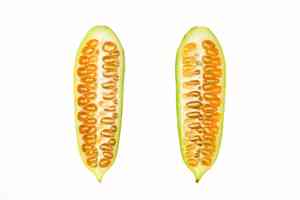
A perennial vine, valued for its consumable fruit and swift development, ivy gourd flourishes with appropriate care. Essential trimming methods include shortening excessively long stems, reducing crowded sections to enhance airflow, and eliminating deceased or ailing leaves to foster well-being. The most effective time for pruning is in late winter or early spring prior to the emergence of new shoots. Meticulous pruning revitalizes ivy gourd, fostering a more controllable vine architecture and a boost in fruit yield, while simultaneously lessening its potential for invasiveness.
What Are the Benefits of Pruning Ivy Gourd?
What Are the Benefits of Pruning Ivy Gourd?
Trimming ivy gourd promotes a plentiful harvest by stimulating new development. It also sustains vitality, helping ivy gourd produce strong stems and leaves. Consistent trimming keeps ivy gourd well-formed and visually appealing, ensuring optimal plant health and yield.
What Is the Best Time for Pruning Ivy Gourd?
What Is the Best Time for Pruning Ivy Gourd?
Pruning ivy gourd in late winter or early spring aligns with its dormant period, just before vigorous spring growth begins. This timing minimizes plant stress and allows cuts to heal before new growth emerges. It also prevents the removal of developing flowers or fruits, which is crucial since ivy gourd is cultivated for its edible fruits. Pruning during these seasons helps maintain plant health by eliminating dead or diseased growth and can encourage a bushier form and higher fruit yield. Given that ivy gourd can become invasive, timely pruning controls its spread and promotes productive growth over excessive vegetative expansion.
What Tools Do I Need to Prune Ivy Gourd?
Hand Pruners
Perfect for cutting thinner stems and vines of ivy gourd, allowing for precise cuts without harming the plant.
Loppers
Useful for reaching higher or deeper into dense ivy gourd growth and cutting through thicker stems that hand pruners cannot handle.
Pruning Saw
Essential for any mature or woody parts of ivy gourd, where smaller cutting tools would be ineffective.
Gardening Gloves
Protect hands from the thorns and sap of ivy gourd, which can cause skin irritation.
Long-Sleeved Clothing
Offers skin protection from potential irritation when reaching into ivy gourd for pruning.
How to Prune Ivy Gourd
Sanitize
Before beginning, disinfect your pruning tools with a solution of one part bleach to nine parts water to prevent disease transmission.
Identify
Carefully examine ivy gourd to locate diseased and withered leaves, as well as dead or diseased branches that need removal.
Remove Leaves
Using clean, sharp shears, carefully snip off diseased and withered leaves at their base where they meet the stem or branch, being careful not to damage healthy parts.
Prune Branches
Cut dead and diseased branches just above a healthy bud or lateral branch, angling the cut away from the bud to facilitate water runoff and prevent rot.
Dispose
Gather all removed plant material and discard it away from the garden to minimize the risk of disease spread.
Common Pruning Mistakes with Ivy Gourd
Over-Pruning
Removing too much foliage at once can stress ivy gourd, leading to shock or stunted growth. It's crucial to prune sparingly and regularly, rather than drastically.
Improper Cuts
Incorrect cutting techniques can damage ivy gourd's stems, potentially inviting disease. Clean cuts at a 45-degree angle just above a leaf node encourage healthy regrowth.
Using Dirty Tools
Pruning with unclean tools increases the risk of spreading disease to ivy gourd. Always sterilize cutting tools before and after use.
Neglecting Dead Material
Failing to remove dead or diseased foliage can hinder ivy gourd's growth and spread pathogens. Consistently remove unhealthy material to promote a healthy plant.
Ignoring Plant Structure
Pruning without understanding ivy gourd's growth pattern can result in an undesirable shape and disrupt flowering. It's important to prune with the plant's natural structure in mind.
Common Pruning Tips for Ivy Gourd
Selective Thinning
Target the interior of ivy gourd for selective thinning. This improves air circulation and light penetration, fostering healthier growth.
Regular Maintenance
Conduct regular maintenance pruning to manage ivy gourd's size and shape. This keeps the plant manageable and aesthetically pleasing.
Encouraging Branching
Prune ivy gourd just above leaf nodes where branches are desired. This encourages bushier growth and more flowering sites.
Promoting Fruiting
Pinch off the tips of ivy gourd to stimulate fruiting. Regularly prune trailing vines to redirect energy into fruit production rather than excessive vine growth.
Tool Maintenance
Use sharp, clean pruning shears for clean cuts that heal quickly. Dull tools can cause jagged cuts that are more susceptible to disease.



