How to Propagate Ivy gourd?
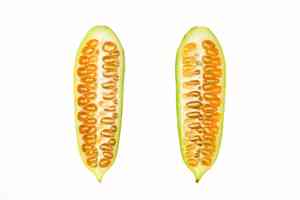
This robust tropical climber can be successfully multiplied by planting seeds. For effective growth, utilize clean seeds, usually acquired from mature, reddish fruits. Following their removal, proper drying of the seeds is essential to enhance their sprouting potential. Before sowing, a soil blend that drains well provides an ideal substrate for nurturing development. Steadily warm temperatures and ample humidity are vital environmental factors that aid the propagation, guaranteeing strong growth for the nascent vines.
Optimal Time for Ivy Gourd Propagation
Propagation Method
Seeding
Propagation Period
Spring
Tools for Ivy Gourd Propagation
Seed trays
Seed trays are crucial for the initial phase of planting seeds. They enable an organized arrangement of seeds with adequate spacing, ensuring each seedling has sufficient room to grow without competition. Their shallow design is especially beneficial for ivy gourd, allowing for easy monitoring and control of soil moisture, which is vital for germination.
Potting mix
A suitable potting mix guarantees the ivy gourd seed has the ideal soil conditions for germination and early development. The mixture should be light, well-draining, and rich in organic matter to meet ivy gourd's requirements. These qualities help prevent waterlogging, which could cause seed rot, and supply essential nutrients for young plants.
Watering can with a fine rose
This tool is essential for gently irrigating ivy gourd seeds and seedlings, ensuring moisture is evenly and delicately distributed to avoid disturbing the soil or dislodging small seeds. The 'fine rose' attachment helps simulate light rainfall, providing a gentle flow that won't erode the soil or harm young seedlings.
Labels and markers
Labels and markers are important for tracking sowing dates and seedling types, especially when propagating multiple varieties of plants like ivy gourd. This aids in monitoring growth progress and accurately scheduling necessary care interventions, such as transplanting or increasing water supply.
Grow lights (if indoor propagation)
For indoor propagation of ivy gourd, grow lights provide the necessary light spectrum to support healthy growth and development, particularly when natural sunlight is insufficient. This ensures that ivy gourd receives optimal light for photosynthesis, directly impacting the success rate of seed germination and seedling vigor.
Ivy Gourd Propagation Steps
Propagation Type
Simple
Caring for Newly Propagated Ivy Gourd
Caring for Newly Propagated Ivy Gourd
Post-germination, cultivate ivy gourd seedlings in a location receiving ample sunlight, such as an east or west-facing window or beneath a grow light. Water them when the top inch of soil feels dry to the touch and apply a balanced liquid fertilizer monthly. As the vines lengthen, provide support structures like trellises or stakes for climbing. Safeguard young plants from pests, and transplant them into larger containers or the garden once they are robust enough for relocation.
Common Errors to Avoid When Propagating Ivy Gourd
Overwatering
Excessive watering can lead to root rot, which is particularly harmful for ivy gourd cuttings or seedlings that require well-drained soil to flourish.
Deep planting
Planting ivy gourd cuttings or seeds too deeply can impede their ability to sprout and access light, which is crucial for photosynthesis and initial growth.
Neglect of humidity
Ignoring the importance of humidity during propagation can cause ivy gourd cuttings to dry out, diminishing their chances of successful rooting and growth.
Overcrowding
Overcrowding ivy gourd seeds or cuttings can restrict their access to nutrients and light, and may encourage the spread of disease due to poor air circulation.
Ignoring pest control
Failing to manage pests during the early stages of ivy gourd's development leaves vulnerable cuttings and seedlings susceptible to infestations that can severely impede growth.
Tips for Propagating Ivy Gourd
Use of rooting hormone
Applying a rooting hormone to the cut end of ivy gourd cuttings can significantly enhance root development and improve the chances of successful propagation.
Soil preparation
Preparing a well-draining propagation medium prevents waterlogging and supports healthy root growth in ivy gourd.
Appropriate cutting length
Choosing a cutting of the correct length (typically 4-6 inches) for ivy gourd ensures that there is enough plant material to sustain growth while roots develop.
Light exposure
Providing indirect but bright light encourages photosynthesis and growth without overwhelming ivy gourd with excessive sunlight that can lead to drying out.
Gentle watering
Watering ivy gourd gently and consistently keeps the soil moist but not soaked, creating the ideal environment for root development.



