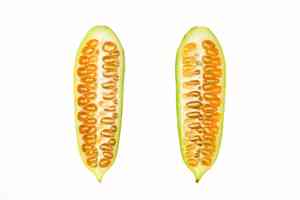
Ivy gourd (Coccinia grandis)
Also known as: Scarlet-fruited ivy gourd
Coccinia grandis, also known as ivy gourd, scarlet gourd, or tindora, is a perennial vine that produces edible shoots and fruits. However, it has the potential to become invasive in regions where it is not native.
In This Article
Attributes of Ivy gourd
Lifespan
Perennial
Plant Type
Herb, Vine
Plant Height
3 m
Spread
N/A (climbing vine, does not form a substantial crown)
Leaf Color
Green
Flower Size
1.5 cm to 2 cm
Flower Color
White
Images of Ivy gourd
Quickly Identify Ivy gourd
1
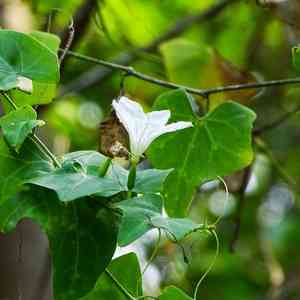
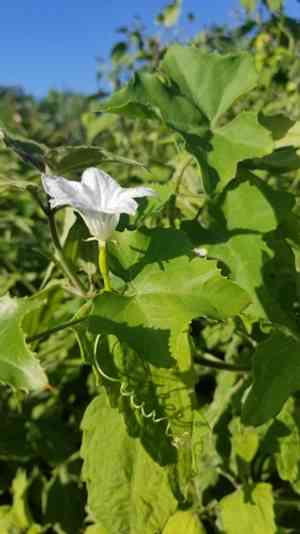
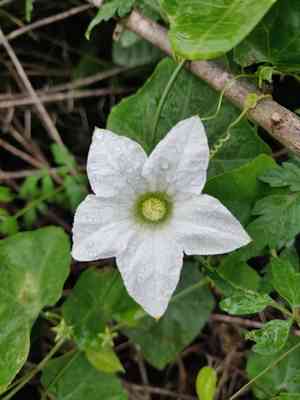
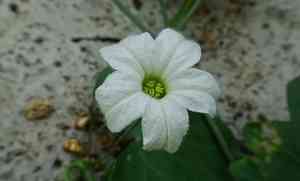
Coccinia grandis can be identified by its heart-shaped leaves, white flowers, and small, oblong fruits that turn from green to bright red when ripe. The vine often twines around available supports.
Scientific Classification of Ivy gourd
Phylum
Vascular plants
Class
Dicotyledons
Order
Cucurbitales
Family
Gourd
Genus
Scarlet gourds
Species
Ivy gourd
Planting and Growing of Ivy gourd
Care Difficulty
Easy
Watering Schedule
Every 4 days
Sunlight Requirements
Full sun
Sunshine Duration
4-8 hours
Ideal Temperature
68-86℉
Soil Type
Potting Mix, Peat Mix
Soil pH
6.5-7.5
Fertilizer Type
Balanced
Pruning Season
Spring, Summer
Pruning Area
Branches, Leaves
Pruning Frequency
2 times a year
Repotting Season
Spring
Pot Type
Plastic, Ceramic
 How to Water Ivy gourd?
Coccinia grandis prefers a moderate amount of water, around 200ml each time. The key is to ensure the soil is evenly moist but not waterlogged. Allow the top inch of the soil to dry out between waterings to prevent root rot.
What are the symptoms of an underwatered Ivy gourd?
›
What should I do if my Ivy gourd is not getting enough water?
›
What are the symptoms of an overwatered Ivy gourd?
›
How to save an overwatered Ivy gourd?
›
 What Are the Sunlight Requirements for Ivy gourd?
Coccinia grandis flourishes in full sun to partial sun conditions. This light range supports vigorous growth and promotes high fruit yield, enhancing the plant's adaptive capacity and robustness.
More About Sunlight Requirements Techniques→
What type of sunlight does Coccinia grandis prefer?
›
How can I ensure optimal light exposure for Coccinia grandis?
›
What benefits does optimal lighting offer to Coccinia grandis?
›
 What Is the Ideal Temperature Range for Ivy gourd?
Coccinia grandis grows best in temperatures between 68°F and 86°F. This range allows for optimal enzyme activity and physiological processes necessary for robust plant growth.
 What Soil is Best for Ivy gourd?
Coccinia grandis thrives in well-draining soil, which prevents waterlogging and root rot. This feature ensures the roots have adequate air circulation and reduces the risk of fungal infections, promoting healthier growth. This plant benefits from a soil rich in organic matter, providing essential nutrients for vigorous growth. Nutrient-rich soil fosters robust leaf production and enhances the plant's resilience to pests and diseases. While well-draining, the soil should retain some moisture to support consistent hydration. This balance helps maintain turgor pressure in plant tissues, ensuring the leaves and stems remain firm and healthy.
 How to Fertilize Ivy gourd?
Coccinia grandis benefits from a balanced approach to fertilization. Use a light hand, applying about 1 teaspoon of water-soluble fertilizer per gallon of water for liquid feedings. For slow-release formulas, consider 1 tablespoon per square foot of soil. Adjust based on plant response, ensuring nutrients are accessible without overwhelming the root system.
 How to Prune Ivy gourd?
Start by observing the plant and identifying vines that are excessively long or crossing each other. These are your primary targets to prune as they can cause congestion and prevent light from reaching other parts. Carefully cut back the identified overgrown vines to about half their size. Focus on maintaining a balanced shape, and always cut just above a node or leaf joint to promote healthy regrowth. Inspect the plant for any dead, damaged, or disease-infested parts. These should be removed as part of your regular pruning routine to prevent the spread of diseases and to keep the plant thriving.
More About Pruning Techniques→
 How to Propagate Ivy gourd plant?
1
Harvest seeds from mature Coccinia grandis fruits. Ensure the seeds are completely ripe, remove them from the fruit, and allow them to dry thoroughly before planting.
2
Select healthy stems and cut 4-6 inch sections just below a node. Remove lower leaves to expose nodes for root development, and dip the cut end in rooting hormone powder.
3
For seeds, sow them in moist soil, about 1 inch deep. Cuttings should be inserted into a well-draining potting mix. Keep the medium consistently moist and place in indirect sunlight to encourage growth.
 How to Repot Ivy gourd plant?
1
Coccinia grandis signals its need for repotting when you notice roots growing out of the drainage holes, the plant seems stunted, or its growth has slowed significantly. These are clear indicators that it's time to give the plant more room to spread its roots.
2
Choosing the right pot involves selecting one that is one size larger than the current pot, with excellent drainage holes. This ensures the roots have ample space to grow while preventing waterlogging, which can lead to root rot and plant distress.
3
Select a well-draining loamy soil mix which provides the right balance of moisture retention and drainage. Loamy soil encourages healthy root development by preventing water stagnation and ensuring that nutrients are readily available to the plant.



