How to Transplant Cnidoscolus elasticus?
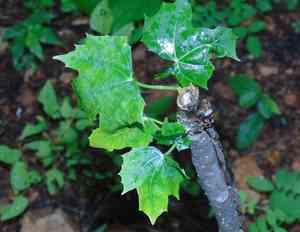
The ideal period for transplanting cnidoscolus elasticus spans from the end of spring through mid-summer, offering peak conditions for development. Select a location with ample sunlight and soil that drains effectively to foster robust rooting. Diligent attention during this stage is vital for cnidoscolus elasticus to flourish.
What Preparations are Needed Before Transplanting Cnidoscolus Elasticus?
What is the Ideal Time for Transplanting Cnidoscolus Elasticus?
The optimal window for relocating cnidoscolus elasticus spans from the gentle warmth of late spring through the middle of summer. This period offers a combination of mild weather and increasing daylight, fostering strong root development and adaptation without the stress of extreme temperatures. Moving cnidoscolus elasticus during this season promotes growth, as the soil is warm and supportive, accelerating root establishment. This timing allows the plant to settle before colder months, boosting its resilience and vigor.
How Much Space Should You Leave Between Cnidoscolus Elasticus Plants?
When moving cnidoscolus elasticus, aim to provide ample room for each plant to thrive. A spacing of approximately 6.5-10 feet (2-3 meters) between each specimen will ensure sufficient space for growth.
What is the Best Soil Mix for Cnidoscolus Elasticus Transplanting?
Prepare a welcoming environment for cnidoscolus elasticus by selecting a rich, well-draining soil. Prior to planting, incorporate some compost or a balanced, slow-release fertilizer to provide a nourishing start.
Where Should You Relocate Your Cnidoscolus Elasticus?
Locate a sunny spot in your garden that receives a good amount of daily sunlight, to help cnidoscolus elasticus grow robustly. An area with full to partial sun exposure will be perfectly suited for your green companion.
What Equipments Should You Prepare Before Transplantation Cnidoscolus Elasticus?
Gardening Gloves
To safeguard your hands while handling soil and plants.
Shovel or Spade
For excavating the plant and creating a new planting site.
Watering Can or Hose
To hydrate the plant before and after relocation to minimize shock.
Wheelbarrow or Garden Cart
To move the cnidoscolus elasticus plant if it is large and heavy.
Pruning Shears
To trim any dead or excess plant parts before transplanting.
Measuring Tape
To ensure the new hole is the correct dimensions.
Tarp or Burlap
To secure the root ball and soil during transportation.
How Do You Remove Cnidoscolus Elasticus from the Soil?
How Do You Remove Cnidoscolus Elasticus from the Soil?
From Ground: First, moisten the soil around the cnidoscolus elasticus plant by watering it. Next, dig a wide trench around the plant using a shovel or spade, making sure the plant's root ball stays intact. Carefully work the spade beneath the root ball to lift the plant from its original spot.From Pot: Begin by thoroughly watering the cnidoscolus elasticus plant. Turn the pot on its side and gently tap the bottom and sides to loosen the soil. Then, slowly slide the plant out, preserving the soil around its roots.From Seedling Tray: Water the seedlings to dampen the soil. Use a spoon or a small tool to carefully lift each cnidoscolus elasticus plant from the tray, taking care not to harm the delicate roots.
Step-by-Step Guide for Transplanting Cnidoscolus Elasticus
Prepare the New Location
Excavate a hole that is twice the width and the same depth as the root ball of the cnidoscolus elasticus plant. This will provide ample space for root expansion.
Remove the cnidoscolus elasticus from Original Location
Follow the detailed removal procedure outlined for ground, pot, or seedling tray specimens.
Inspect the Root Ball
Examine the cnidoscolus elasticus's roots for any indications of disease or decay. Trim damaged roots with pruning shears.
Position the cnidoscolus elasticus in the New Hole
Place the plant so that the top of its root-ball is level with the surrounding soil surface. Backfill around the root ball with soil, gently firming it down to eliminate air pockets.
Water Thoroughly
Once the cnidoscolus elasticus is situated, water it generously to settle the soil and remove air gaps. Ensure the water penetrates deep into the root zone.
How Do You Care For Cnidoscolus Elasticus After Transplanting?
Monitoring
Observe the cnidoscolus elasticus plant daily to detect any signs of distress, such as wilting or discoloration.
Watering
Maintain consistent moisture for the cnidoscolus elasticus's initial few weeks in its new spot, allowing the soil to dry slightly between waterings.
Staking
If the cnidoscolus elasticus plant is tall or top-heavy, use stakes to provide support and protect it from strong winds.
Mulching
Apply a layer of organic mulch around the base to retain moisture, stabilize soil temperature, and reduce weed growth.
Pruning
Trim off any dead or damaged growth to encourage the cnidoscolus elasticus to direct its energy towards establishing its root system.
Troubleshooting Common Issues with Cnidoscolus Elasticus Transplantation.
What's the ideal time to transplant cnidoscolus elasticus?
Choose the mild period from late spring to mid-summer, ensuring a smooth transition for cnidoscolus elasticus.
How far apart should I space cnidoscolus elasticus when transplanting?
Allow cnidoscolus elasticus ample room to flourish by spacing them 6.5-10 feet (2-3 meters) apart.
What soil conditions favor cnidoscolus elasticus after transplanting?
Ensure the soil is well-draining and nutrient-rich for optimal post-transplant growth of cnidoscolus elasticus.
Why is my cnidoscolus elasticus wilting after transplantation?
Wilting can indicate shock. Keep the soil moist and shield cnidoscolus elasticus from direct sunlight for a few days.
How do I prepare cnidoscolus elasticus for transplanting?
Water cnidoscolus elasticus thoroughly the day before to facilitate soil removal and minimize root damage during the move.
How deep should the hole be for transplanting cnidoscolus elasticus?
Dig a hole twice the width and the same depth as the root ball to comfortably accommodate cnidoscolus elasticus.
Can I fertilize cnidoscolus elasticus immediately after transplanting?
Wait a few weeks before applying fertilizer to prevent root burn while they are still settling.
How much should I water cnidoscolus elasticus post-transplant?
Water generously right after transplanting, then regularly to keep the soil consistently moist but not saturated.
What's the best way to handle cnidoscolus elasticus's roots when transplanting?
Carefully untangle the roots and spread them in the hole to promote outward growth.
Is it necessary to prune cnidoscolus elasticus during transplanting?
Light pruning can help reduce transplant shock, but avoid heavy pruning until cnidoscolus elasticus is established.



