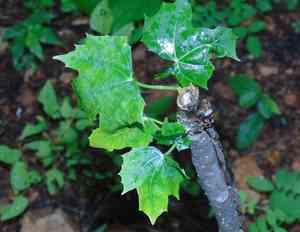
Cnidoscolus elasticus (Cnidoscolus elasticus)
Also known as: Mexican Prickly Poppy
Cnidoscolus elasticus is a tropical species known for its impressive height and flexible, rubber-producing sap. It typically exhibits large leaves and may produce small, inconspicuous flowers. Native to warm climates, cnidoscolus elasticus thrives in areas with ample sunlight and well-drained soil, where it contributes to the biodiversity of its habitat.
In This Article
Attributes of Cnidoscolus elasticus
Lifespan
Perennial
Plant Type
Shrub
Plant Height
1-2 meters
Spread
1-1.5 meters
Leaf Color
Dark green
Flower Size
2-3 cm
Flower Color
White
Images of Cnidoscolus elasticus
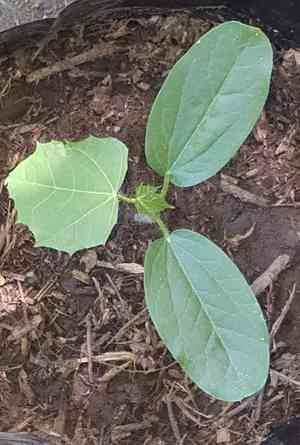
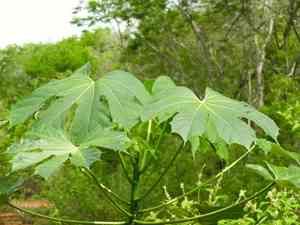
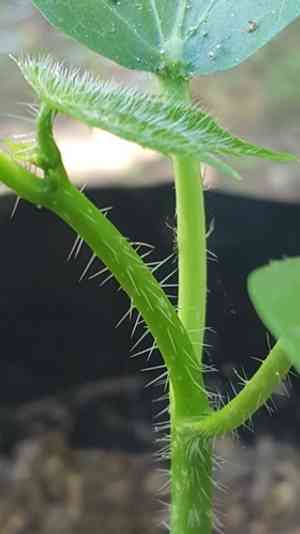
Quickly Identify Cnidoscolus elasticus
1
Identifying Cnidoscolus elasticus involves looking for its thorny stems and large, lobed leaves. The plant exudes a milky latex when cut, which is another distinguishing feature.
Scientific Classification of Cnidoscolus elasticus
Phylum
Vascular plants
Class
Dicotyledons
Order
Malpighiales
Family
Spurge
Genus
Cnidoscolus
Species
Cnidoscolus elasticus
Planting and Growing of Cnidoscolus elasticus
Care Difficulty
Moderate
Watering Schedule
Every 2 days
Sunlight Requirements
Partial sun
Sunshine Duration
6-8 hours
Ideal Temperature
70-85℉
Soil Type
Potting Mix, Peat Mix
Soil pH
6.5-7.5
Fertilizer Type
Balanced
Pruning Season
Spring, Summer
Pruning Area
Branches, Leaves
Pruning Frequency
2 times a year
Repotting Season
Spring
Pot Type
Plastic, Ceramic
 How to Water Cnidoscolus elasticus?
Cnidoscolus elasticus prefers a moderate amount of water, measuring around 250 ml per session. The key is to ensure the soil is adequately moist but not waterlogged. Allow the top inch of soil to dry out between each watering to maintain ideal moisture levels.
What are the symptoms of an underwatered Cnidoscolus elasticus?
›
What should I do if my Cnidoscolus elasticus is not getting enough water?
›
What are the symptoms of an overwatered Cnidoscolus elasticus?
›
How to save an overwatered Cnidoscolus elasticus?
›
 What Are the Sunlight Requirements for Cnidoscolus elasticus?
Partial sun exposure is optimal, supporting healthy foliage and flower production. Ideal light fosters robust growth and resilience against pests and diseases by enhancing the plant's natural defenses.
What is the best light condition for Cnidoscolus elasticus?
›
How can I achieve optimal lighting for this plant?
›
What are the benefits of ideal lighting for this plant?
›
 What Is the Ideal Temperature Range for Cnidoscolus elasticus?
For Cnidoscolus elasticus, an optimal temperature range between 70 to 85°F promotes healthy growth and development. In this range, the plant is most efficient in photosynthesis and nutrient uptake, leading to vigorous growth. Maintaining these temperatures ensures that the plant's metabolic processes occur without stress, promoting robust health.
 What Soil is Best for Cnidoscolus elasticus?
Cnidoscolus elasticus thrives in well-draining soils that prevent waterlogging, which could lead to root rot. The loose composition supports adequate air circulation and ensures the plant's roots remain healthy. For optimal growth, this plant benefits from a nutrient-rich substrate. Utilizing organic matter like compost can boost soil fertility, providing essential nutrients and promoting vigorous plant development. While Cnidoscolus elasticus prefers well-drained soil, maintaining a moderate moisture level is critical. Consistently moist, but not waterlogged, conditions ensure robust growth by facilitating nutrient uptake.
 How to Fertilize Cnidoscolus elasticus?
Cnidoscolus elasticus requires careful fertilization. For liquid fertilizers, dilute them to half their recommended strength. Use about 200 ml per plant to ensure nutrients are adequately provided without overwhelming the plant. For slow-release fertilizers, apply a thin layer on the soil, roughly 50 grams per application, ensuring even distribution for optimal nutrient uptake.
 How to Prune Cnidoscolus elasticus?
First, survey your Cnidoscolus elasticus to identify dead, diseased, or damaged branches. These should be the primary targets for removal. Pruning these parts helps your plant conserve energy for growing healthy branches. When clipping, make cuts just above a node or bud to encourage new growth. Avoid cutting too close to the bud, which can damage it, or too far above, leaving an unsightly stub that may rot. Trim back overgrown sections to maintain a balanced shape. Regularly removing overlapping branches improves air flow through the plant and reduces the chances of fungal diseases developing.
More About Pruning Techniques→
 How to Propagate Cnidoscolus elasticus plant?
1
Select healthy, non-flowering stems for cuttings, ideally about 4-6 inches long. Ensure there are several nodes on each cutting to facilitate rooting.
2
Remove the leaves from the lower half of the cutting and dip the cut end into rooting hormone. This helps promote root development and prevents fungal issues.
3
Plant the prepared cuttings in a well-draining propagation mix. Ensure they are firmly inserted, but not so deep that air circulation is restricted around the nodes.
 How to Repot Cnidoscolus elasticus plant?
1
Repot Cnidoscolus elasticus when you notice excessive root growth through the drainage holes or when the soil seems to dry too quickly after watering. This indicates that the roots need more space.
2
Select a pot that's one size larger than the current one and has good drainage. This allows the plant to expand without overwhelming it with too much soil, preventing root rot and ensuring healthy growth.
3
Opt for well-draining cactus or succulent mix which will help avoid waterlogging. Such soil mimics the plant's natural habitat, promoting healthy root development and reducing the risk of fungal diseases.
Toxicity
Ingestion, Skin Contact
WARNING
The judgment on toxicity and danger is for reference only. We DO NOT GUARANTEE any accuracy of such judgment. Therefore, you SHALL NOT rely on such judgment. It is IMPORTANT TO SEEK PROFESSIONAL ADVICE in advance when necessary.
Learn More About Cnidoscolus elasticus Diseases
Anthracnose
Bacterial Leaf Spot
Bacterial Soft Rot
Bacterial Wilt
Black Spot
Chemical Injury
Crown Gall
Cyst Nematode
Damping-off
Downy Mildew
Drought Stress
Fusarium Wilt
Gray Mold
Leaf Curl
Leaf Spot
Mosaic
Nutrient Deficiency
Nutrient Toxicity
Powdery Mildew
Root Rot
Root-knot Nematode
Rusts
Sooty Mold
Spider Mites
Temperature Stress
Thrips Damage
White Mold



