The Cnidoscolus elasticus Plant Advantage: Maximizing Home and Office Appeal and Wellness
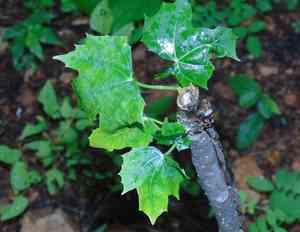
1
This botanical specimen is recognized for its strong ability to withstand dry conditions.
2
It offers various applications that contribute beneficially to well-being and ecological balance.
3
Perfect for areas with inferior ground composition, aiding in land restoration.
What Are the Health Benefits of Cnidoscolus elasticus?
Rich in Nutrients
Cnidoscolus elasticus is packed with vital nutrients that can bolster overall health. Its leaves contain high levels of vitamins and minerals, contributing to improved nutrition and well-being. Consuming these nutrients can help support various bodily functions, making it an excellent addition to a balanced diet.
Natural Antioxidant Powerhouse
The plant is a great source of natural antioxidants, which are crucial for combating oxidative stress in the body. These antioxidants help neutralize free radicals, reducing the risk of chronic diseases and promoting cellular health. Including Cnidoscolus elasticus in your diet can help maintain a healthy immune system and enhance overall vitality.
Aids in Digestion
Another significant health benefit of Cnidoscolus elasticus is its ability to support digestive health. The plant contains dietary fibers that facilitate better digestion and can help prevent common digestive issues such as constipation and bloating. Regular consumption can contribute to a smoother digestive process and improve gut health.
How Does Cnidoscolus elasticus Benefit the Environment?
Erosion Control
Cnidoscolus elasticus plays a crucial role in preventing soil erosion. This plant's robust root system helps to anchor the soil, protecting it from being washed away by rain or wind. Planting Cnidoscolus elasticus in erosion-prone areas can significantly reduce the loss of topsoil, promoting better land conservation.
Improves Soil Quality
Adding Cnidoscolus elasticus to your garden or farm can significantly improve the soil quality. Due to its ability to thrive in poor soils, Cnidoscolus elasticus can help rejuvenate infertile lands by enhancing soil structure and adding organic matter. This improvement makes the soil more productive and suitable for other plant species.
Supports Biodiversity
By planting Cnidoscolus elasticus, you can also support local biodiversity. This plant provides habitat and food for various insects and animals, promoting a balanced and healthy ecosystem. It invites beneficial pollinators, which is essential for the growth of other plant species in the area.
What Are the Agricultural Benefits of Cnidoscolus elasticus?
Drought Resistance
One of the standout features of Cnidoscolus elasticus is its exceptional drought resistance. This makes it an ideal crop for arid and semi-arid regions where water scarcity is a significant issue. Farmers can rely on Cnidoscolus elasticus to produce a stable yield even under adverse environmental conditions.
Cost-Effective Crop
Cnidoscolus elasticus is relatively easy and inexpensive to cultivate, requiring minimal agricultural inputs. Its resilience to pests and diseases also means that farmers spend less on pesticides and herbicides. Consequently, Cnidoscolus elasticus can be a cost-effective crop that supports sustainable agricultural practices.
Enhances Crop Rotation
Incorporating Cnidoscolus elasticus into crop rotation systems can enhance the overall productivity of farmlands. Its ability to fix nitrogen in the soil helps replenish vital nutrients, making the land more fertile for subsequent crops. This practice contributes to better crop yields and long-term soil health.
How to Integrate Cnidoscolus elasticus into Your Daily Life?
Gardening Tips
Growing Cnidoscolus elasticus in your garden can be easier than you think. This resilient plant requires minimal care and thrives under various conditions. When planting, ensure it has ample sunlight and well-drained soil. Regularly pruning and watering the plant will help it grow lush and healthy.
Culinary Uses
Cnidoscolus elasticus can be a delightful addition to your kitchen. Its leaves and other edible parts can be used in various recipes to add nutritional value. Whether youâre making a salad, soup, or herbal tea, incorporating Cnidoscolus elasticus can enhance both flavor and health benefits. Always ensure the parts you use are correctly prepared to avoid any potential irritation.



