How to Prune Cnidoscolus elasticus?
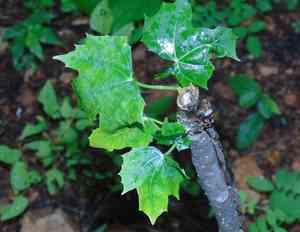
This rapidly developing flora is distinguished by its impressive foliage and its capacity to serve as a natural latex origin. Essential trimming methods for cnidoscolus elasticus involve excising lifeless or ailing limbs, reducing density for form, and fostering air movement throughout the crown. The most effective time for pruning is in early spring, immediately preceding the commencement of the active growth phase. Trimming is advantageous for stimulating vigorous development, boosting plant well-being, and increasing rubber output. Particular caution must be exercised to avoid harming the bark, which is crucial for latex generation.
What Are the Benefits of Pruning Cnidoscolus Elasticus?
What Are the Benefits of Pruning Cnidoscolus Elasticus?
Trimming cnidoscolus elasticus encourages robust development and helps maintain its desired form. Strategic cuts enhance light exposure and air circulation, thereby fostering a strong framework and boosting plant vigor.
What Is the Best Time for Pruning Cnidoscolus Elasticus?
What Is the Best Time for Pruning Cnidoscolus Elasticus?
For cnidoscolus elasticus, early spring is the preferred time for pruning or trimming, as it follows dormancy and precedes the start of vigorous growth. Trimming cnidoscolus elasticus in early spring allows the plant ample time to recover and redirect energy into new growth. This stimulates fresh, healthy development as the growing season begins. Furthermore, this timing helps prevent the removal of developing flowers or fruits that might occur with later pruning. Additionally, pest and disease activity is typically lower in early spring, making it a safer period for cnidoscolus elasticus to be pruned with less risk of infection at cut sites. This window also enables gardeners to remove any winter damage, thus preserving the plant's health and appearance.
What Tools Do I Need to Prune Cnidoscolus Elasticus?
Bypass Pruners
Perfect for making clean cuts through the soft, flexible stems of cnidoscolus elasticus. They offer precise control and minimal harm to living tissue, which is crucial for the plant's recovery post-pruning.
Pruning Saw
Essential for cutting through thicker branches that bypass pruners cannot manage. The saw ensures clean, straight cuts on cnidoscolus elasticus without tearing the bark, which is vital for the plant's health and aesthetic appeal.
Lopping Shears
Useful for reaching higher branches and providing the necessary leverage for clean cuts on medium-sized stems and branches of cnidoscolus elasticus. Their long handles offer extended reach and increased cutting power.
Hand Gloves
Protects against potential irritants or toxins in the sap of cnidoscolus elasticus, and also helps prevent scratches and cuts on hands during the pruning process.
Safety Glasses
Ensures eye protection from any potential sap splatter or flying debris while cutting or sawing branches of cnidoscolus elasticus.
How to Prune Cnidoscolus Elasticus
Clean Tools
Before pruning cnidoscolus elasticus, ensure your pruning tools are properly disinfected to prevent disease spread. Use a solution of 1 part bleach to 9 parts water to sanitize your pruning shears.
Identify Parts
Examine cnidoscolus elasticus closely to identify all diseased leaves, withered leaves, dead branches, and diseased branches. This ensures you are aware of all parts needing attention before starting the pruning process.
Prune Diseased Leaves
Carefully remove diseased leaves from cnidoscolus elasticus by cutting them at the base where they meet the stem. Avoid tearing the leaves, as this can cause unnecessary damage to the plant.
Prune Withered Leaves Branches
Trim away withered leaves and dead or diseased branches from cnidoscolus elasticus. Make clean cuts with your shears to prevent damage and remove these parts at their point of origin to encourage healthy growth.
Dispose Materials
After pruning cnidoscolus elasticus, properly discard the diseased and dead plant material. Avoid composting it to prevent disease spread, and thoroughly clean your tools again once finished.
Common Pruning Mistakes with Cnidoscolus Elasticus
Overpruning
Removing too much foliage from cnidoscolus elasticus, which can stress the plant and lead to a decline in its overall health and vigor.
Improper Cuts
Making cuts that are either too large or jagged, which can lead to disease entry and poor healing in cnidoscolus elasticus.
Pruning Into Old Wood
Cutting into the old, woody growth that may not produce new shoots, potentially hindering cnidoscolus elasticus's ability to rejuvenate.
Neglecting Sterilization
Failing to sterilize pruning tools before use, which can spread diseases between plants, including cnidoscolus elasticus.
Ignoring Plant Structure
Pruning without understanding cnidoscolus elasticus's growth habits, which can result in an undesirable shape and weakened structure.
Common Pruning Tips for Cnidoscolus Elasticus
Selective Thinning
Remove only the essential branches to encourage better airflow and light penetration throughout cnidoscolus elasticus.
Correct Cuts
Make clean, angled cuts just above a bud or branching point to promote proper healing and new growth in cnidoscolus elasticus.
Tool Maintenance
Keep pruning tools sharp and clean to make precise cuts and avoid damage to cnidoscolus elasticus's tissues.
Gradual Pruning
Spread out pruning activities over several seasons if large amounts need to be removed, to reduce stress on cnidoscolus elasticus.
Monitor Growth
Regularly inspect cnidoscolus elasticus for dead, diseased, or damaged wood, and prune as needed to maintain plant health.



