How to Transplant Bush rue?
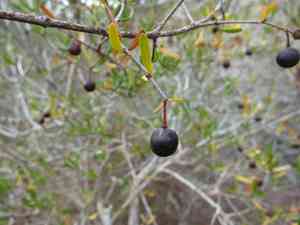
Relocating bush rue is most successful when undertaken in the mild period of early to mid-spring or the chilly embrace of late autumn to early winter, facilitating a smooth transition. Place it in soil that drains effectively and receives ample sunlight. Should it be required, gradually introduce bush rue to its new environment to avert stress.
Necessary Preparations Before Relocating Bush Rue?
Optimal Period for Relocating Bush Rue?
Undertake bush rue relocation during the revitalizing period of spring or amid the gentle coolness of autumn. This timing enables bush rue to establish roots in moderate soil conditions, enhancing its growth potential and resilience.
Required Spacing Between Bush Rue Plants?
Greetings, plant enthusiasts! For bush rue, ensure ample room for development. Position your new plant companions approximately 36-48 inches (91-122 cm) apart. This provides each plant with its own 'personal space' to flourish without overcrowding!
Ideal Soil Mixture for Bush Rue Relocation?
Let's prepare a comfortable bed for your bush rue! Seek out soil that drains effectively. If your soil is clay or sandy, incorporate some compost. A balanced, slow-release fertilizer will help give your plant a strong start - consider it a 'nutritious breakfast' for the roots!
Optimal New Location for Your Bush Rue?
Sun-worshippers take note! Select a bright location where bush rue can enjoy full sunlight for at least 6-8 hours. Imagine a 'sunny beach day' but for plants - that's their preferred environment for absorbing rays and developing robustly.
Equipment Required Before Relocating Bush Rue?
Gardening Gloves
To safeguard your hands while handling soil and the plant.
Spade or Shovel
For excavating the plant from its original spot and digging the new hole.
Watering Can or Hose
To hydrate the bush rue before and after its relocation.
Pruning Shears
To trim any damaged roots or foliage.
Wheelbarrow or Garden Cart
For moving the plant from its initial position to the new site.
Garden Trowel
Useful for smaller digging tasks and refining the planting hole.
Root Pruning Saw or Knife
If necessary, for cleanly cutting through thicker roots.
Tarp or Burlap
To wrap and safeguard the root ball during transit.
How to Extract Bush Rue from the Soil?
How to Extract Bush Rue from the Soil?
From Ground: First, moisten the bush rue plant by watering the soil. Next, excavate a wide trench around the plant using a shovel or spade, ensuring the plant's root ball remains intact. Carefully maneuver the spade beneath the root ball to lift the plant from its initial location.From Pot: Begin by thoroughly watering the bush rue. Gently tilt the pot sideways and tap it to loosen the soil and root ball. Carefully slide the root ball out; if it resists, use a knife to separate the plant from the pot without harming the roots.From Seedling Tray: Water the seedling to ensure the soil is damp. Use a garden trowel or a fork to gently lift the seedling from the tray, striving to minimize root disturbance.
Step-by-Step Guide for Relocating Bush Rue
Preparation
Before commencing, ensure all necessary tools are readily accessible.
Removal
Adhere to the provided instructions to carefully extract your bush rue from its original spot, ensuring minimal disruption to its roots.
Transplant Hole
Excavate a hole at the new site that is twice the width and the same depth as the bush rue's root ball.
Placement
Lower the bush rue into the hole, positioning it at the same level it was previously growing. Use your hands to center the plant.
Root Adjustment
Gently spread out the roots if the bush rue was pot-bound to encourage outward growth.
Backfill
Refill the hole with soil, lightly tamping down around the root ball to secure the plant and eliminate any large air pockets.
Watering
Thoroughly water the bush rue immediately after relocation to settle the soil and hydrate the roots.
Mulching
Apply a layer of mulch around the base of the bush rue to help retain soil moisture and regulate soil temperature.
Post-Relocation Care for Bush Rue
Staking
If the bush rue is tall or in a windy area, consider providing support with a stake until its roots are firmly established.
Monitoring
Observe your bush rue for indications of stress, such as wilting or discolored leaves, and address them as necessary.
Pruning
Remove any damaged or diseased foliage to direct the bush rue's energy towards root establishment.
Regular Check-Ins
Monitor soil moisture levels consistently, especially during the initial weeks, and water as needed to maintain adequate hydration.
Resolving Common Issues with Bush Rue Relocation.
When is the optimal time to relocate bush rue?
Relocate bush rue during early to mid-spring or from late autumn to early winter for optimal outcomes.
How much space does bush rue require when relocating?
Allow a generous area of 36-48 inches (91-122 cm) between each bush rue to ensure proper development.
What soil type is ideal for relocating bush rue?
Utilize well-draining soil, rich in organic matter, to support bush rue after relocation.
How deep should the hole be for relocating bush rue?
Dig a hole as deep as the root ball and twice as wide to accommodate bush rue's roots.
Can I relocate bush rue on a hot, sunny day?
For reduced stress on bush rue, relocate on a cloudy day or in the evening when temperatures are cooler.
Should I prune bush rue before relocating it?
Pruning is generally not required, but you may trim any damaged or excessively long roots.
How frequently should I water bush rue after relocating?
Keep the soil moist but not waterlogged. Water bush rue deeply after relocation, then regularly as needed.
Why are the leaves of my relocated bush rue wilting?
Wilting after relocation is common; ensure sufficient watering and shade from intense sun while bush rue acclimates.
What should I do if my relocated bush rue isn't growing?
Exercise patience; bush rue may experience transplant shock. Maintain proper care and allow it time to recover.
Is fertilizer necessary immediately after relocating bush rue?
No, wait until bush rue is established before applying a balanced, slow-release fertilizer to prevent root burn.



