How to Prune Bush rue?
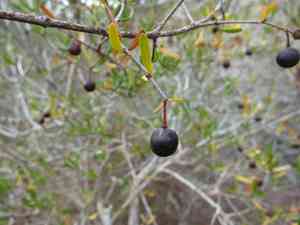
Coleonema album, recognized for its glossy emerald foliage and aromatic golden blossoms, thrives with winter pruning to preserve its structure and foster development. Eliminate deceased or compromised limbs and thin congested sections to enhance air movement. Trimming following the flowering period aids in stimulating the subsequent season's floral buds. Consistent, gentle shaping of this perennial shrub can also control its dimensions and encourage a denser habit.
What Are the Benefits of Pruning Bush Rue?
What Are the Benefits of Pruning Bush Rue?
Trimming bush rue promotes robust development and preserves its attractive form. By strategically removing parts, it channels energy into creating a strong framework and foliage, ensuring a more controlled and pleasing look.
What Is the Best Time for Pruning Bush Rue?
What Is the Best Time for Pruning Bush Rue?
The optimal period for trimming bush rue is late winter to early spring, just before new growth emerges. During this time, the plant is inactive, and the absence of leaves provides a clear view of its structure, simplifying the selection of branches to cut. Pruning bush rue at this stage minimizes plant stress, encouraging vigorous spring growth. Furthermore, pruning before spring growth begins helps prevent diseases and pests from infecting fresh cuts. By aligning pruning with the end of dormancy, gardeners leverage bush rue's natural growth cycle and avoid cutting during active growing seasons, which could negatively impact flowering and fruiting.
What Tools Do I Need to Prune Bush Rue?
Bypass Pruners
Perfect for making precise cuts on bush rue's smaller branches, preventing unnecessary harm and encouraging rapid recovery.
Loppers
Effective for cutting through bush rue's thicker branches, typically up to 1.5 inches in diameter, while offering leverage and reach.
Pruning Saw
Essential for removing bush rue's largest branches that are too thick for loppers, ensuring accurate and clean cuts on branches exceeding 1.5 inches in thickness.
Hand Shears
Useful for shaping and trimming bush rue, as they allow for more detailed work on smaller stems and foliage.
Gloves
Shield the gardenerâs hands from bush rue's potentially rough or thorny branches during the trimming process.
Gardening Disinfectant
Recommended for sanitizing tools before and after pruning bush rue to prevent the spread of diseases.
How to Prune Bush Rue
Remove withered leaves
Identify and gently remove withered leaves from bush rue by hand or with sharp, clean pruning shears to enhance the plant's appearance and prevent potential disease spread.
Cut dead branches
Cut back dead branches of bush rue to the point of healthy growth using clean, sharp pruning tools. Make cuts just above a node or a side branch to encourage new growth.
Trim diseased branches
Inspect bush rue for diseased branches and carefully trim them back to healthy tissue. Disinfect your pruning tools after each cut to prevent the spread of disease.
Shape plant
Shape bush rue by selectively pruning out any irregular branches to maintain a balanced structure. Avoid over-pruning as this can stimulate excessive, weak growth.
Common Pruning Mistakes with Bush Rue
Over-pruning
Removing too much foliage from bush rue at once can stress the plant, potentially stunting growth or reducing its ability to photosynthesize efficiently.
Improper tools
Using dull or dirty pruning tools can cause jagged cuts that are more susceptible to disease and can damage the bush rue's delicate branches.
Pruning healthy wood
Unnecessarily cutting away healthy growth can limit bush rue's flowering potential, as flowers often bloom on the previous or current year's growth.
Ignoring dead or diseased limbs
Neglecting to remove dead or diseased branches can invite pests and diseases, risking the overall health of bush rue.
Flush cutting
Making flush cuts against the main stem or trunk can damage the bush rue's natural healing process and increase susceptibility to disease.
Common Pruning Tips for Bush Rue
Clean cuts
Make sure to use sharp, clean pruning shears to create clean cuts that heal quickly, reducing the chance of disease in bush rue.
Selective thinning
Focus on thinning overcrowded areas to improve air circulation and sunlight penetration, which are essential for the health and vigor of bush rue.
Maintain shape
Prune to maintain the natural shape of bush rue, enhancing its aesthetic appeal without compromising the plant's structural integrity.
Aniticipate growth
Take into account the growth habits of bush rue when pruning; cut back to just above outward-facing buds to direct new growth outward and prevent crowding.
Rejuvenation pruning
In older bush rue plants, consider removal of some older stems to ground level to promote vigorous new growth and rejuvenate the plant.



