How Much Sunlight Do Bush rue Need?
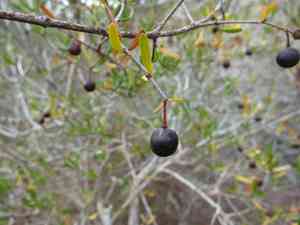
1
Bush rue flourishes optimally with ample sunlight, needing over six hours of direct sun daily.
2
Insufficient light can result in elongated stems and reduced blooms for Bush rue.
3
Ensure to modify Bush rue's sun exposure with changing seasons to support its best development.
Grasping Bush rue's Light Requirements
Native Environment and Sun Exposure
The Bush rue is a resilient shrub indigenous to the arid zones of Southern California and Northern Baja California. In its natural setting, it endures prolonged periods of intense solar radiation. This exposure is vital for its development and blooming, making it crucial to replicate similar conditions when cultivating it in your garden. Typically, plants from these hot, sunny regions are adapted to flourish under direct sunlight for most of the day.
Optimal Light Conditions for Bush rue
Bush rue thrives in full sun, meaning it should receive over 6 hours of direct sunlight daily. If you're planting it in your garden, select a spot where it can absorb sunlight for the majority of the day. Insufficient light can result in weak, elongated growth and fewer flowers, while excessive shade might make the plant vulnerable to pests and diseases.
Ensuring Adequate Sunlight for Bush rue
Placing Your Bush rue for Maximum Sunlight
When planting Bush rue in your garden, its placement is critical. Aim to position it in an area with unrestricted access to sunlight. Avoid situating it near large trees, structures, or buildings that could cast shadows, especially during peak sunlight hours (typically 10 AM to 4 PM). If feasible, a south-facing orientation guarantees your Bush rue receives the most daily sunlight.
Indicators of Insufficient or Excessive Sun Exposure
Regularly observing your plant helps determine if it's getting the correct amount of sunlight. Signs of inadequate sunlight include stretched or 'leggy' stems, pale foliage, and sparse blooming. Conversely, too much sun exposure might lead to leaf burn, where the leaves turn brown and brittle. Adjusting the plant's location based on these indicators can help maintain its health and vitality.
Modifying Sunlight Based on Seasonal Changes
Winter Light Considerations
During winter, the sun's angle changes, and daylight hours shorten. Bush rue may not receive as much light as it does in summer. To ensure its continued vigor, consider moving it to a location where it can capture more winter sun, such as a south-facing window or an open garden spot. Promptly check for and address any signs of stress due to reduced sunlight.
Summer Light Concerns
In the intense summer heat, even a sun-loving plant like Bush rue can suffer from overexposure, particularly in extreme conditions. Ensure the soil remains adequately moist and consider providing temporary shade during the hottest part of the day if you observe signs of leaf scorching. Applying mulch around the plant's base can help retain soil moisture and keep the roots cool.
Utilizing Artificial Light for Bush rue
When to Supplement with Artificial Illumination
If you're cultivating Bush rue indoors or in a location where natural sunlight is insufficient, supplementing with artificial light can be beneficial. This is especially useful during shorter winter days or in areas where natural light is limited due to weather or geographical factors. Use artificial light to ensure your Bush rue receives at least 6 hours of light daily.
Types of Artificial Light Suitable for Bush rue
When selecting artificial lighting for Bush rue, full-spectrum LED grow lights are recommended. These lights emulate the natural sunlight spectrum, providing the plant with the necessary wavelengths for photosynthesis and growth. Position the light approximately 30-45 centimeters (12-18 inches) above the plant and adjust based on the plant's response to ensure optimal development.



