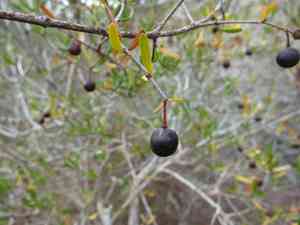
Bush rue (Cneoridium dumosum)
Also known as: Brittlebush, Bushrue
**Bush rue** (*Cneoridium dumosum*) belongs to the citrus family and produces very small fruits. This plant is native to the coastal bluffs of southern California and Baja California. Known for its exceptional drought tolerance, bush rue thrives in direct sunlight. However, contact with the fruit can cause dermatitis in some individuals.
In This Article
Attributes of Bush rue
Lifespan
Perennial
Plant Type
Shrub
Plant Height
1 m
Spread
1 m
Leaf Color
Green Blue
Flower Size
1 cm
Flower Color
White
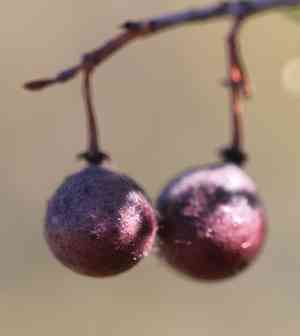
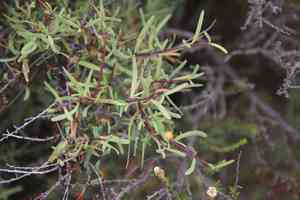
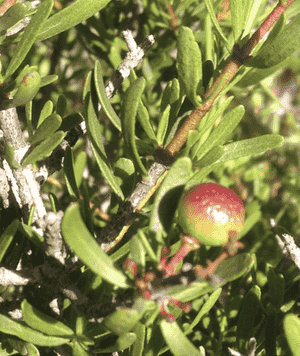
Images of Bush rue
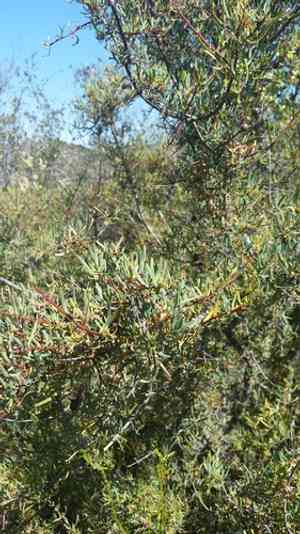
Quickly Identify Bush rue
1
The shrub can be identified by its small, dark green leaves that are leathery and aromatic, as well as its clusters of small, white to cream-colored flowers.
Scientific Classification of Bush rue
Phylum
Vascular plants
Class
Dicotyledons
Order
Sapindales
Family
Rue
Genus
Bushrue
Species
Bush rue
Planting and Growing of Bush rue
Care Difficulty
Easy
Watering Schedule
Every 2 days
Sunlight Requirements
Full sun
Sunshine Duration
4-6 hours
Ideal Temperature
60-75℉
Soil Type
Potting Mix, Peat Mix
Soil pH
6.5-7.5
Fertilizer Type
Balanced
Pruning Season
Spring, Summer
Pruning Area
Branches, Leaves
Pruning Frequency
2 times a year
Repotting Season
Spring
Pot Type
Plastic, Ceramic
 How to Water Bush rue?
When watering Cneoridium dumosum, you should aim to give the plant about 500 ml of water. The goal is to saturate the soil without causing waterlogging. Ensure that the water reaches the roots but doesn't remain stagnant, as this species is adapted to relatively dry conditions.
What are the symptoms of an underwatered Bush rue?
›
What should I do if my Bush rue is not getting enough water?
›
What are the symptoms of an overwatered Bush rue?
›
How to save an overwatered Bush rue?
›
 What Are the Sunlight Requirements for Bush rue?
Cneoridium dumosum ideally grows in partial to full sun conditions. Benefiting from 6 to 8 hours of light ensures ample energy for growth, leading to vibrant foliage and enhanced flowering cycles.
More About Sunlight Requirements Techniques→
Why is full sun ideal?
›
What if full sun isn't available?
›
How does ideal light affect growth?
›
 What Is the Ideal Temperature Range for Bush rue?
Cneoridium dumosum thrives best within a temperature range of 60 to 75°F. This range ensures optimal growth and flowering. It's crucial to maintain this range consistently for the best results, as deviations may impede plant health and growth.
 What Soil is Best for Bush rue?
Cneoridium dumosum thrives in well-drained soils, which help prevent root rot by allowing excess water to escape quickly. This ensures the roots receive optimal oxygen and nutrient absorption, promoting healthy plant growth. This plant is accustomed to nutrient-poor substrates commonly found in its native habitats. It benefits from sandy or rocky soils that prevent the plant from becoming too lush, maintaining its compact form and resilience. While drought-tolerant, Cneoridium dumosum prefers soils with moderate moisture to replicate its natural environment. Ensuring the soil retains some moisture will help the plant sustain its metabolic activities during dry periods.
 How to Fertilize Bush rue?
Cneoridium dumosum, commonly known as bushrue, prefers minimal fertilization. A half-dose of liquid fertilizer is sufficient during its growing season, focusing on balanced NPK ratios to maintain optimal health while avoiding excess nutrient load.
 How to Prune Bush rue?
Start by identifying any dead, diseased, or damaged branches. These should be your primary targets for removal to promote overall plant health. Cut branches back to their base or nearest healthy node. Ensure your cuts are clean and angled slightly to allow water to run off, preventing rot. After removing unhealthy branches, step back and visualize the desired shape. Trim selectively to create a balanced and natural appearance, maintaining airflow and sunlight access.
More About Pruning Techniques→
 How to Propagate Bush rue plant?
1
Collect fresh seeds from mature Cneoridium dumosum plants. Clean them to remove any pulp and let them dry to enhance seed viability.
2
Select healthy stems from the plant, cutting them at an angle. Remove lower leaves to minimize water loss.
3
Use a well-draining potting mix. Mix sand with peat moss to improve aeration and drainage, important for seed germination and root development.
 How to Repot Bush rue plant?
1
Cneoridium dumosum shows signs of needing repotting when roots start growing out of the drainage holes or the plant seems root-bound, with growth noticeably slowing. Spring and Autumn are the best seasons to repot, ensuring the plant's rejuvenation and growth in the coming months.
2
Select a pot that is slightly larger than the current one, with excellent drainage to prevent water stagnation. A terracotta pot is ideal as it allows soil to dry out faster, mimicking the plant's natural arid environment.
3
A well-draining cactus mix enriched with sand and perlite is the right choice for Cneoridium dumosum. This mix promotes root health by allowing excess moisture to escape, preventing rot while providing necessary stability for the plant.
Learn More About Bush rue Diseases
Anthracnose
Bacterial Leaf Spot
Crown Gall
Cyst Nematode
Damping-off
Downy Mildew
Drought Stress
Fusarium Wilt
Gray Mold
Leaf Curl
Leaf Spot
Mosaic
Nutrient Deficiency
Nutrient Toxicity
Powdery Mildew
Root Rot
Root-knot Nematode
Rusts
Sooty Mold
Spider Mites
Temperature Stress
Thrips Damage
White Mold



