How to Transplant Armand clematis?
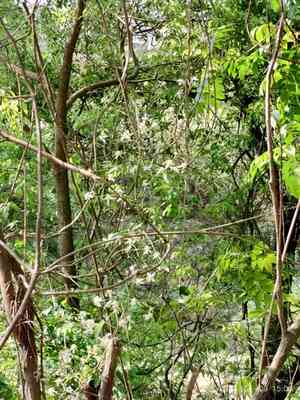
The ideal period for transplanting armand clematis is during the milder conditions of early to mid-spring. This timing enables the plant to settle into a location offering partial to full sunlight, fostering vigorous development. Ensure the substrate remains well-drained and uniformly damp following its relocation.
What Preparations are Needed Before Transplanting Armand Clematis?
What is the Ideal Time for Transplanting Armand Clematis?
The optimal period for relocating armand clematis is early spring. This season provides a perfect combination of mild temperatures and a dormant growth state, allowing armand clematis to establish itself well before summer's heat. Moving armand clematis during this window ensures sufficient time for robust root development, leading to lush, vibrant growth. With spring's gentle touch, armand clematis will transition smoothly, supported by nature's ideal timing.
How Much Space Should You Leave Between Armand Clematis Plants?
When moving your armand clematis, ensure adequate room for its development. Ideally, maintain a distance of approximately 2-3 feet (60-90 cm) between each plant. This spacing will enable your armand clematis to flourish without competing for light and nutrients.
What is the Best Soil Mix for Armand Clematis Transplanting?
Prior to transplanting armand clematis, prepare your soil. This plant thrives in well-draining, alkaline soil. Additionally, enrich your soil with a foundational fertilizer such as bone meal or a slow-release granular product. This promotes healthy growth and encourages blooming.
Where Should You Relocate Your Armand Clematis?
Regarding placement, armand clematis enjoys sunlight. However, it prefers a location where its roots remain cool and shaded. Therefore, try to find a spot in your garden that receives ample sun but can offer some shade for the root area. Best of luck!
What Equipments Should You Prepare Before Transplantation Armand Clematis?
Gardening Gloves
To safeguard your hands while handling soil and the armand clematis plant;
Shovel or Spade
Crucial for excavating the transplant hole and extracting the plant from its original spot, whether in the ground, a pot, or a seedling tray;
Gardening Trowel
This small hand tool is especially useful when transferring armand clematis from a container or seedling tray;
Watering Can or Hose
Required for hydrating the plant both before and after its relocation;
Garden Pruners
To trim any damaged or diseased roots or branches on the armand clematis plant;
Plant Supports/Trellis
Since armand clematis is a climbing vine, a trellis or similar support system will be vital for helping the newly transplanted plant thrive.
How Do You Remove Armand Clematis from the Soil?
How Do You Remove Armand Clematis from the Soil?
From Ground: First, moisten the soil around the armand clematis plant by watering it. This lessens root stress and simplifies plant removal. Next, dig a wide trench around the plant using a shovel or spade, being careful not to harm the root ball, which is crucial for the plant's survival. Gently work the spade beneath the root ball to lift the plant from its initial position;From Pot: Before starting, thoroughly water the potted armand clematis. Turn the pot on its side, and carefully slide the plant out. Never pull the plant forcefully, as this risks root damage;From Seedling Tray: If the armand clematis is still a seedling in a tray, it's somewhat simpler. Ensure the soil is damp, then gently extract the seedling, aiming to retrieve as much of the root system as possible.
Step-by-Step Guide for Transplanting Armand Clematis
Hole Prep
Dig a hole in the garden where you've chosen to relocate your armand clematis. Make the hole wide and deep enough to comfortably accommodate the plant's root ball. Return some of the excavated soil to the hole to form a mound;
Placement
Position the armand clematis plant in the hole, ensuring it stands upright and the top of the root ball is level with the surrounding ground;
Refilling
Gently backfill the hole with soil, making sure no air pockets remain. As you do this, ensure the armand clematis does not sink or lean to one side;
Watering
Thoroughly water the transplanted armand clematis plant initially. Also, water consistently during the first few weeks post-relocation to ensure it settles into its new environment;
Support
Install your plant supports or trellis for the armand clematis. Guide the plant to climb the support, but avoid forcing it; the plant will naturally find its way.
How Do You Care For Armand Clematis After Transplanting?
Watering
Consistent watering is vital, especially during the initial weeks. Keep the soil around the armand clematis uniformly moist, but remember, plants dislike waterlogged conditions, so avoid overwatering;
Pruning
Do not rush to prune. Allow the armand clematis to establish itself for a few weeks before using your pruners. If dead or dying branches appear later, remove them to maintain the plant's health;
Monitoring
Keep a close watch on your armand clematis, looking for signs of stress such as wilting or discolored leaves. If you notice anything, it's time to take action to support your plant.
Troubleshooting Common Issues with Armand Clematis Transplantation.
When is the best time to transplant armand clematis?
The optimal periods for transplanting armand clematis are between S1 and S2. This can foster a healthy growth environment for the plant.
What is the suitable space between armand clematis when planting?
When planting armand clematis, it's important to maintain a distance of approximately 2-3 feet (60-90 cm). This promotes healthy growth and proper spread.
Why is my transplanted armand clematis not thriving after the shift?
The armand clematis might not have received sufficient water after transplanting, or it could be experiencing transplant shock. Gradual acclimatization can help alleviate such issues.
How often should I water armand clematis after transplant?
Water armand clematis thoroughly immediately after transplant, then about once a week. Adjust based on weather; more frequent watering may be necessary in dry conditions.
Can armand clematis be transplanted into pots?
Absolutely! Ensure the pot has good drainage and add a stake or trellis for armand clematis to climb, as it is a climbing plant species.
Do I need to prune armand clematis before transplanting?
Pruning is not essential before transplanting, but it can help manage the growth and shape of armand clematis. Just ensure it's done gently to prevent plant stress.
What soil type is ideal for armand clematis to thrive after transplanting?
Armand clematis prefers well-draining soil, rich in organic matter. A slightly acidic to neutral pH is beneficial. If needed, compost can be added to improve soil quality.
What's the best method to transplant armand clematis?
Dig a hole twice as wide as the root ball, carefully place armand clematis, and fill with soil. Water deeply and stake if necessary to support growth.
Do I need to add fertilizer while transplanting armand clematis?
A slow-release fertilizer can be incorporated when transplanting armand clematis to give it a strong start. Alternatively, you can add compost to the planting hole.
Will the armand clematis transplant be harmed by pests?
Armand clematis may encounter pest infestations, such as aphids or slugs, after transplanting. Use a safe, plant-friendly pesticide if required and maintain proper care to keep them at bay.



